By Sara Khan · WeProms Digital · November 13, 2026
Last updated: November 2026.
Watch enough Tesco Clubcard scans at the till and a belief settles in for every Pakistani-origin grocer from Small Heath to Sparkbrook: a loyalty card is how a shop turns first-time customers into regulars. The numbers behind real schemes tell a less comfortable story, and they are worth reading before a single card gets printed.
UK shoppers saved £4.43 billion through loyalty rewards last year, according to American Express data reported by Retail Times, and the average British consumer now belongs to 12 loyalty schemes. That £4.43 billion says British shoppers play the scheme game hard; it says nothing about whether one more card changes behaviour at a single halal grocery counter, because most of that saving ran through supermarket apps, not corner-shop punch cards. Meanwhile, when Marketing Land examined a points scheme that had run for years, roughly nine in ten of its customers had bought exactly once, while the reward only arrived at the fourth purchase. A scheme that pays at purchase four, in a shop where nine customers in ten never make a second trip, is not a loyalty engine; it is a polite shrug with a key fob.
The card that rewards a habit, not a change
The first problem is selection bias — the tendency of your most committed customers to be the ones who join anything you launch. The fresh-produce regulars who come in after Jumu’ah prayers, the aunties who buy their weekly sabzi without checking a single price: they enrol on day one, and six months later the member list outperforms the non-members. Nobody asks whether those members would have looked better anyway. Daniel McCarthy, associate professor of marketing at the University of Maryland, put it plainly when Marketing Land asked him how this applies to loyalty schemes:
“Loyalty programs often get credit for loyalty that was already there. Members may look better because the customers most inclined to stay are also the most inclined to enroll, and looking only at surviving members compounds that bias.”
McCarthy walked through Blue Apron’s public numbers in the same interview: six months after signing up, 70% of the meal-kit company’s customers were gone, and the ones left standing were always the most likely to stay. The pattern repeats — the members look loyal because the loyal enrol first, not because the card changed anyone’s behaviour.
There is a fifteen-minute check that settles the question for an individual shop. Pull ninety days of till data, delivery-platform orders or online sales, and count how many customers appear twice or more. That single number decides whether any scheme can work; if second purchases are rare, a card cannot fix what the shopping experience, the follow-up or the offer fails to do.
Nine customers in ten never reach the reward
Thresholds are where schemes quietly die. The case Marketing Land documented had rewards unlocked at the fourth purchase in a customer base where nearly nine in ten bought once; about seven in ten points ever issued were too small to spend. Every unspent point is still a promise sitting on the books, so a shop needs cash on hand in case a wave of customers suddenly redeems at once — a real squeeze for a family-run grocer whose margins move with produce prices. Marketing Land’s verdict on schemes that hand every member the same price cut with nothing to earn: that is a simple price cut, not a loyalty program.
There is a quieter point buried in that verdict. Back home in Lahore, the kirana store keeps an udhaar ledger — a running tab built on knowing the family, their month-end cash rhythm and which house buys basmati by the sack. That ledger is trust infrastructure no app replicates, and its lesson transfers: retention runs on being remembered, not on points. The butcher who sets aside shoulder meat before Eid, the grocer who messages when fresh methi lands — that is the memory a customer returns for; the card is only a receipt of it.
So if a card survives at all, the reward belongs on the second purchase, where the drop-off actually happens — never on the fourth, where only the already-loyal ever arrive.
What Clubcard proves — and what it cannot
Tesco’s Clubcard Prices — member-only prices on selected products — look like loyalty at work, and in a sense they are. But notice what the mechanism actually is: a price cut, gated behind membership, that hands Tesco a national dataset of baskets in exchange. A single Birmingham counter can copy the plastic; it cannot copy the learning loop, and the learning loop is the asset. What actually drives loyalty economics at Tesco’s scale is knowing what 12-scheme-deep shoppers buy across a whole country, then pricing against that knowledge.
Saturation cuts the other way too. SumUp research reported by The Herald found 76% of UK shoppers used supermarket loyalty cards in 2026 — which means a card at an independent counter no longer signals anything; it is expected furniture, the twelfth scheme in a wallet built for eleven. A shop that differentiates on halal trust, fresh stock and being known by name is competing on exactly the ground the chains cannot buy.
The second purchase is where the money actually is
The most useful number in the Marketing Land case is not a failure statistic; it is a reallocation result. When the same loyalty budget moved from tier rewards to second-purchase incentives, the return came back at roughly seven times what the scheme had been earning. The budget was never the problem. The placement was wrong.
The second order is the signal worth paying for; the fourth is a thank-you note to someone who already stayed. Timing also separates customers a points ledger cannot tell apart — the customer who spends £90 stocking up before Eid and vanishes for six months looks identical to the weekly fresh-basket regular, but a fourteen-day window after a first order separates them cleanly. (That Eid stock-up customer deserves a place on the list too, just on a seasonal calendar rather than a points ladder.)
Here is what the offer costs a real shop. Worked example — substitute your own costs: an average online basket of £32, with product and packaging taking 76% of it, leaves a gross contribution — what one order leaves after the goods and the bag — of £7.68. A £5-off-your-second-order voucher over £30 costs £5 when redeemed, so each redeemed second order still contributes £2.68 net. Tooling is priced by list size — Klaviyo and Brevo both publish tiers with free entry levels — so an all-in budget of £45 a month for a mid-size list plus the time to send it is a fair illustrative figure. Break-even sits near 17 redeemed second orders a month, and the stop-or-scale rule follows from the same math: two months below that line, change the offer or the audience before adding a pound.
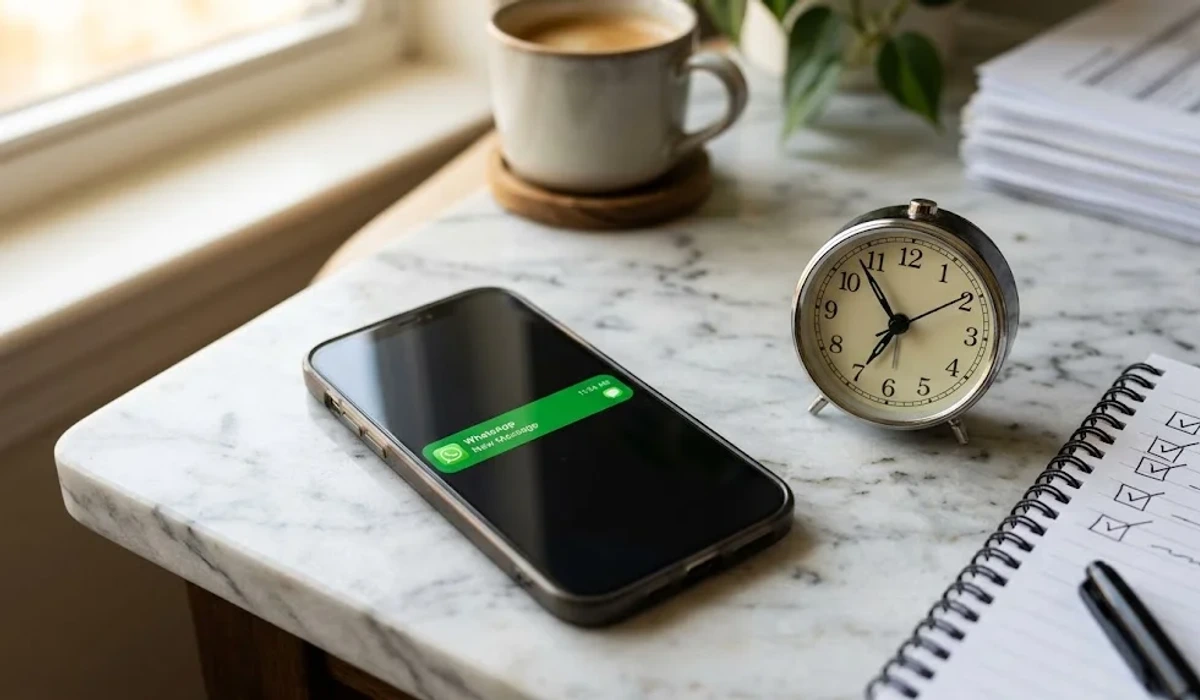
Consent is the part that quietly breaks these flows, and UK rules are specific. Under the ICO’s direct marketing guidance, marketing messages to individuals generally need consent unless the soft opt-in applies — you collected the details during a sale, you are marketing your own similar products, and you offered an easy opt-out both when you took the details and in every message since. A compliant WhatsApp line reads like this: “Assalamu alaikum [name] — thank you for shopping with us on [day]. £5 off your next order over £30, valid 14 days: [link]. You are on this list because you joined at checkout; reply STOP to leave.” Canada’s grocers face CASL rather than the UK’s PECR, but the permission checklist written for a Canadian halal grocer transfers almost line for line.
This is lifecycle retention work — the discipline of timed offers after real purchase events — and it is exactly what an email marketing automation agency for UK and Gulf halal businesses builds. The flow matters more than any single message: first order, day-14 offer, then seasonal calendars such as back-in-stock alerts, the same sequence UK halal shops run for best-seller restock emails. A Canadian halal grocer’s guide to building a list the delivery apps do not own covers the same capture problem for a different market; the method transfers to Birmingham counters.
When a card still earns its place on the counter
None of this argues that no independent should ever run a scheme. Fresh grocery is a high-frequency category, and where customers already shop weekly, a simple stamp-and-save scheme that lands its reward within the month can reinforce a genuine habit. The test Marketing Land proposes cuts the decision clean: ask what a two-year customer has that a day-old customer does not. If the relationship already builds something — a saved reorder list, a standing Saturday order, cuts set aside by name — the card pays for behaviour that was happening anyway; if each purchase stands alone and vanishes, the scheme has real work to do, and its reward should sit on the second visit.
Define failure before launch, not after. McCarthy’s advice is to hold a group of customers out of the scheme entirely so there is a comparison group; a grocer can do the same by leaving one customer segment — say, one postcode area or the WhatsApp list minus the card — outside the scheme for a quarter. If scheme members do not out-buy the held-out group, the card is subsidising, not selling. That is a claim any shop can test against its own till data, and it is a claim that will usually lose.
Reward the visit you are trying to create
The principle the numbers keep repeating is simple: fund the visit that is not happening yet. A reward at purchase four buys gratitude from the tenth customer; the same £5 at purchase two buys a habit from the other nine, at roughly seven times the return in the documented case. Start with the ninety-day count of second purchases, because that number — not the card, not the app — decides whether retention work has anything to hold on to.
Read next: How Do I Tell Customers My Best-Sellers Are Back in Stock? and the revenue hiding in a halal grocery’s order-confirmation email (a US example — the sequence transfers).
At WeProms Digital, we have worked with halal grocers, takeaways and modest-fashion retailers across the UK and the Gulf, and based on our experience the second-purchase flow pays for itself before any loyalty card does. Our lifecycle and email automation team builds the consent, the timing and the offer math as one system; grocers selling online can extend it with an ecommerce marketing programme built for Shopify and marketplace sellers. Get in touch at hello@weproms.com or WhatsApp +92 300 0133399, or through the contact page — replies come in UK and Gulf business hours.
Sources & References
- Marketing Land — Should you invest in a loyalty program? — November 12, 2026
- Retail Times — UK consumers saved £4.43bn through rewards last year, new Amex data shows — 2026
- The Herald — Loyalty schemes driving UK consumer spending, research finds (SumUp) — 2026
- ICO — Direct marketing and privacy and electronic communications guidance — current guidance
- Tesco — Clubcard Prices — current page
- Klaviyo — Pricing — current page
- Brevo — Pricing — current page
Additional reading from industry feeds: