
Crawl and indexing diagnosis
Review sitemaps, robots rules, response codes, canonical signals and the pages search engines should reach.
Find and fix the technical issues that make useful pages harder to discover, crawl or use. An implementation plan your marketing and development teams can work through together.
Get to know your team firstA few of the brands we’ve worked with.








An audit becomes useful when it shows the affected page, the proposed fix and how a developer will know the issue is resolved.
Every finding needs an affected route and an acceptance check.
Access
Start with response codes, robots instructions, internal links and the routes that expose important content.
Validate a representative URL, then check whether the issue affects a template.
Illustrative planning example. We agree the final setup around your business.
Every finding needs an affected route and an acceptance check.
Signals
Redirects, canonical tags and indexing signals should explain the intended page consistently.
Avoid fixing one signal while leaving another in conflict.
Illustrative planning example. We agree the final setup around your business.
Every finding needs an affected route and an acceptance check.
Release
A completed ticket needs a live check. Revisit the affected URLs after the release and record the remaining dependencies.
Keep the original problem and the acceptance check beside the implementation.
Illustrative planning example. We agree the final setup around your business.
Technical SEO audits & fixes / The practical scope
Review sitemaps, robots rules, response codes, canonical signals and the pages search engines should reach.
Inspect internal links, page hierarchy, rendering and repeated issues across key templates.
Explain the affected routes, recommended fix, owner and acceptance check for the agreed issues.
Implement the agreed changes or support your developers, then recrawl and verify the affected behaviour.
The audit and implementation scope are agreed separately where needed. Some fixes depend on hosting, platform limitations or third-party development access.
See where the work happens and get to know WeProms before your first conversation. Our team is based in Lahore, working with business owners abroad and at home.
Get to know WeProms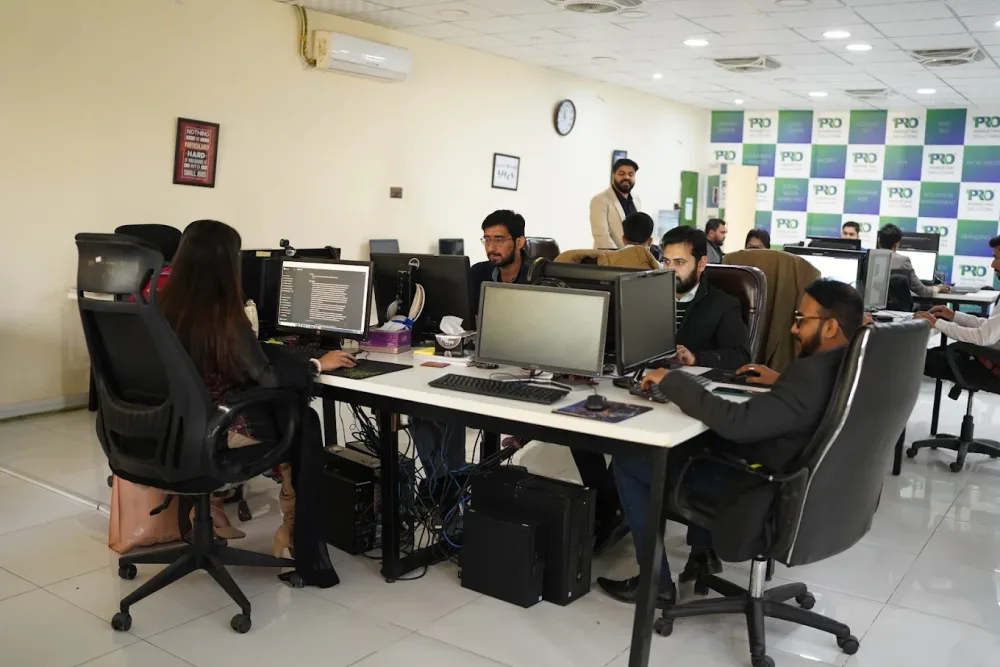 Watch our introduction
Collect access, previous changes and the pages that matter commercially.
Investigate issues rather than treating every automated warning equally.
Coordinate changes, dependencies and release checks with the website team.
Validate the fix and document any remaining dependencies.
Service guide
The approach, practical steps and decisions behind the plan.
Technical SEO audit and implementation identifies and resolves the underlying technical issues preventing your website from ranking in search engines. For businesses in Pakistan, this service addresses crawlability problems, indexing errors, site architecture flaws, and performance bottlenecks that block organic visibility. A comprehensive technical SEO audit typically uncovers 50-200 issues ranging from critical problems like broken redirects to optimization opportunities like compression improvements. Implementation involves systematic fixes across your website infrastructure, resulting in measurable improvements in search engine crawling efficiency, indexation rates, and ultimately organic traffic growth within 30-90 days.
A technical SEO audit is a systematic examination of your website’s technical infrastructure to identify issues that prevent search engines from crawling, indexing, and ranking your content effectively. Unlike content SEO which focuses on keywords and copy, technical SEO addresses the engineering foundation of your website.
Technical SEO audits evaluate server configuration, URL structure, internal linking, XML sitemaps, robots.txt directives, canonical tags, redirect chains, page speed, mobile responsiveness, and structured data implementation. Search engines like Google use over 200 ranking factors, and approximately 30-40% of these relate directly to technical elements.
For Pakistani businesses, technical SEO audits are particularly valuable because they address regional challenges such as hosting performance from local data centers, mobile-first indexing considerations for Pakistan’s mobile-dominant user base, and international targeting for export-oriented businesses. Assess search changes against your own baseline, recording implementation dates and market conditions.
Technical SEO audit and implementation follows a structured methodology combining diagnostic analysis with hands-on remediation. The process begins with comprehensive crawling and scanning using enterprise-grade tools that simulate search engine behavior.
The discovery phase establishes your website’s current technical health through multiple diagnostic approaches. First, we run comprehensive site crawls using tools like Screaming Frog, Sitebulb, or DeepCrawl to map your entire URL structure and identify technical anomalies. This crawl reveals orphan pages, redirect chains, broken links, duplicate content, and indexing conflicts.
Second, we analyze your server logs to understand how search engines actually interact with your website. Server log analysis reveals crawl budget waste, frequently accessed pages, and areas where Googlebot encounters errors. For enterprise websites in Pakistan with thousands of pages, crawl budget optimization alone can improve indexation by 20-30%.
Third, we examine your Google Search Console data for indexing status, coverage issues, core web vitals performance, and manual action history. Search Console provides direct insight into how Google perceives your technical infrastructure.
Not all technical issues carry equal weight. Critical issues like noindex tags on important pages, server errors, or blocked JavaScript rendering require immediate attention. High-priority issues like slow page speed, missing canonical tags, or redirect chains should be addressed within 30 days. Medium and low-priority issues can be scheduled for quarterly maintenance.
We develop a prioritized implementation roadmap organized by impact potential and implementation complexity. This roadmap assigns specific tasks to development sprints, ensuring systematic resolution without overwhelming your technical team.
Implementation involves hands-on technical work across your website infrastructure. Common implementations include configuring proper redirect maps, optimizing robots.txt directives, implementing canonical tag strategies, restructuring URL hierarchies, adding or fixing XML sitemaps, enabling compression and browser caching, and implementing structured data markup.
Each implementation undergoes quality assurance testing before deployment. We validate changes using Google’s Rich Results Test, Schema Markup Validator, and mobile-friendly testing tools. For e-commerce websites in Pakistan, we additionally test transaction flows to ensure technical changes don’t disrupt conversion pathways.
Technical SEO is not a one-time project but an ongoing discipline. After implementation, we establish monitoring dashboards tracking key technical metrics including crawl efficiency, indexation rates, Core Web Vitals scores, and error rates. Monthly optimization cycles address newly discovered issues and refine existing implementations based on performance data.
Technical SEO provides the foundation for all other digital marketing efforts. Without proper technical infrastructure, content marketing, link building, and paid advertising deliver diminished returns.
Search engines cannot rank content they cannot access or understand. Studies indicate that 25-30% of websites have critical technical issues preventing proper indexation. For Pakistani businesses investing in content creation and digital marketing, technical SEO ensures those investments generate returns.
The Pakistan digital market presents unique technical considerations. Mobile traffic dominates with over 70% of web visits originating from mobile devices. Technical SEO ensures mobile-first indexing compliance. Local hosting and CDN configuration affect page speed for Pakistani users. Regional search preferences require proper geographic targeting and hreflang implementation for multilingual content.
Businesses in Lahore, Karachi, Islamabad, and other major cities face intense competition in search results. Technical SEO provides competitive advantage through superior site performance, faster page loads, and better crawl efficiency. Even small technical improvements compound over time, creating sustained organic growth.
Crawlability problems prevent search engines from discovering your content. Common issues include incorrect robots.txt directives blocking important pages, infinite URL spaces from faceted navigation, orphan pages without internal links, and server response errors. Indexation issues occur when search engines can crawl content but choose not to include it in their index, often due to duplicate content, thin content, or canonical tag conflicts.
Poor site architecture distributes link equity inefficiently and confuses both users and search engines. Common problems include excessive URL depth, inconsistent URL patterns, dynamic parameters creating duplicate pages, and flat architecture without logical content hierarchies. Ideal site architecture allows any page to be reached within 3 clicks from the homepage.
Redirects transfer users and search engines from one URL to another, but improper implementation causes significant problems. Redirect chains (A redirects to B, B redirects to C) dilute link equity and slow page loads. Redirect loops create dead ends. Temporary 302 redirects used where permanent 301s are appropriate prevent proper credit transfer.
Duplicate content confuses search engines and splits ranking signals across multiple URLs. Canonical tags declare the preferred version of similar pages, consolidating ranking signals. Missing or incorrect canonical tags result in duplicate content penalties, reduced crawl efficiency, and diluted organic performance.
Google’s Core Web Vitals quantify user experience through three metrics: Largest Contentful Paint (loading performance), Interaction to Next Paint (interactivity), and Cumulative Layout Shift (visual stability). Pages failing Core Web Vitals assessments receive lower rankings and reduced visibility in search results.
Structured data helps search engines understand content context and enables rich result eligibility. Missing, incorrect, or incomplete schema markup prevents enhanced search result features like review stars, FAQ accordions, and product information panels. Agree a baseline and evaluate observed changes within the conditions of the engagement.
Mobile-first indexing means Google primarily uses the mobile version of your website for ranking and indexing. Websites with separate mobile versions or responsive design issues suffer ranking penalties. JavaScript-heavy websites without proper server-side rendering may appear empty to search engine crawlers, preventing content indexation.
Technical SEO implementation timelines vary based on website complexity and issue severity. Small business websites with fewer than 100 pages typically complete initial implementation within 2-4 weeks. Mid-size websites with 100-1,000 pages require 4-8 weeks for comprehensive implementation. Enterprise websites with thousands of pages and complex architectures may require 8-16 weeks for initial implementation phases.
Critical issues like noindex errors or server problems are addressed within 24-72 hours. High-priority optimizations like page speed improvements and redirect fixes typically complete within 2-4 weeks. Comprehensive technical overhauls including architecture restructuring and schema implementation require 6-12 weeks.
Results from technical SEO improvements typically manifest within 30-90 days. Indexation improvements appear fastest, often within 2-4 weeks. Ranking improvements from technical fixes generally require 6-12 weeks as search engines recrawl and reassess your website. Page speed improvements provide immediate user experience benefits while contributing to ranking improvements over time.
Technical SEO delivers measurable improvements across multiple performance dimensions. Typical outcomes include 15-40% increases in organic traffic within 90 days of implementation, 20-50% improvements in crawl efficiency and indexation rates, 30-60% reductions in page load times for optimized websites, and 10-25% improvements in Core Web Vitals passing rates.
For e-commerce businesses in Pakistan, technical SEO improvements often yield higher conversion rates due to improved page speed and user experience. B2B service providers typically see improved lead generation from better search visibility. Media and publishing websites benefit from increased ad revenue through higher traffic volumes.
Technical SEO also provides long-term compound benefits. Each technical improvement makes future content more effective, creates sustainable organic traffic growth, and reduces reliance on paid advertising. Assess search changes against your own baseline, recording implementation dates and market conditions.
WeProms Digital delivers technical SEO services for businesses across Pakistan including Lahore, Karachi, Islamabad, Rawalpindi, Faisalabad, Multan, Peshawar, and Quetta. Our delivery model combines remote collaboration with in-person consultation for clients in major metropolitan areas.
Our technical SEO scope can cover major CMS platforms including WordPress, Shopify, Magento, custom PHP frameworks, and enterprise solutions. We work directly with your development team or provide implementation support through our technical partners.
Engagement models include one-time audit projects for businesses seeking baseline assessments, ongoing retainer relationships for continuous optimization, and project-based implementations for specific technical initiatives. All engagements include detailed documentation, implementation guidance, and progress reporting.
We support businesses throughout Pakistan including Lahore, Karachi, Islamabad, Rawalpindi, Faisalabad, Multan, Peshawar, Quetta, Sialkot, Gujranwala, and nationwide remote teams. Our technical SEO services accommodate both local businesses targeting Pakistani markets and export-oriented companies serving international audiences from Pakistan-based operations.
Published client experiences
Hear what working with WeProms was like, directly from our clients.
 Watch their story
Singapore · Events
 Watch their story
Client feedback
 Watch their story
New York · Wellness
A long export of warnings is not a delivery plan. We investigate the important templates and routes, explain the likely impact and define a practical check for each agreed fix.
Does this sound familiar?
Questions worth reviewing
Can important pages be reached and rendered as intended?
Do redirects, canonical tags and indexing instructions agree?
Which prioritised issues have been resolved and verified?
From Lahore, across borders
We work with clients in the UK, UAE, Singapore, Germany, Canada and Australia. Wherever your business takes you, our team in Lahore helps move your marketing forward.
Hear from our clients United Kingdom
 United Arab Emirates
 Singapore
 Germany
 Canada
 Australia
We also welcome enquiries from Pakistani business owners in:
Inside WeProms
Lahore, Pakistan
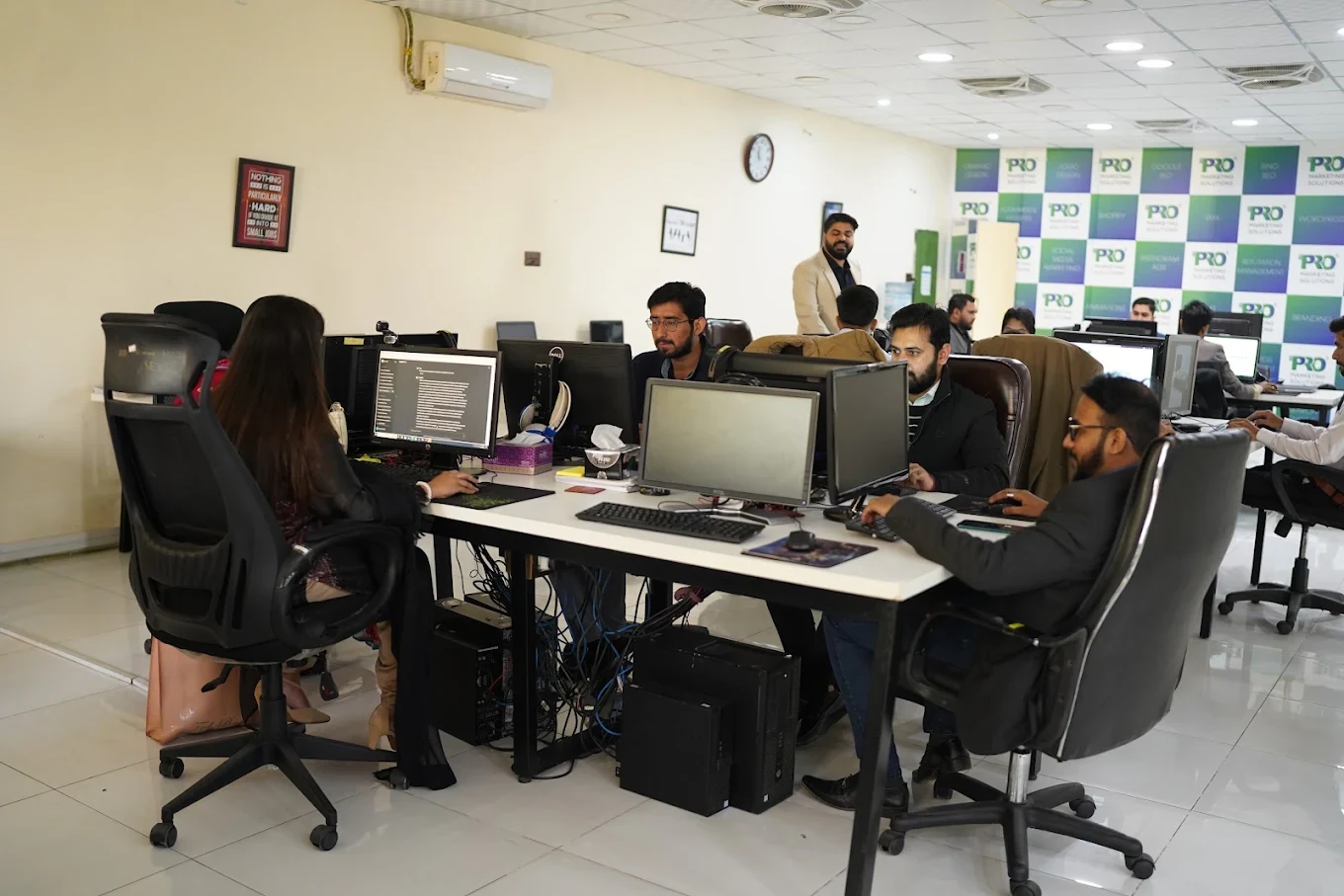

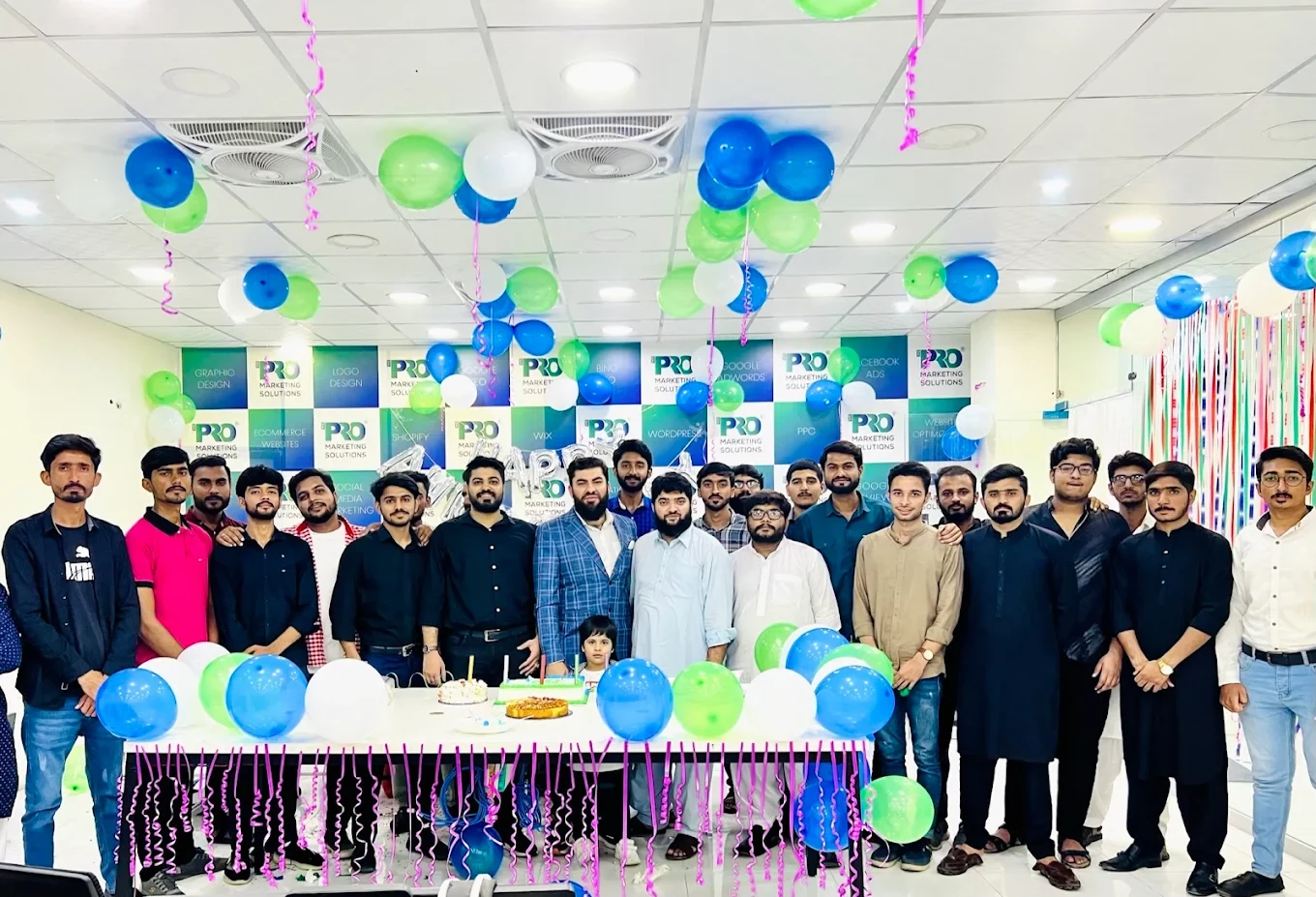

154, C1, Nespak Housing Scheme, Lahore 54770, Pakistan.
Working with a remote marketing team
You know your customers and market. Our strategists, creatives and technical specialists in Lahore help put the plan into practice. Agree the contact person, meeting times and approvals before we start.
Agree deliverables and the agency fee. Discuss ad spend and third-party tools separately.
Keep visibility and ownership. Agree access, asset licences and handover as part of the scope.
Agree a review schedule around your time zone. See what was delivered, what the numbers mean and what comes next.
Technical SEO audits & fixes
Straight answers to help you shape the brief.
More about working with WePromsWe can include implementation for an agreed set of issues or prepare a brief and validation support for your existing developer.
No. We assess the affected pages, likely impact and implementation effort before setting priorities.
Yes. The scope can include URL mapping, staging checks and post-launch validation so important routes and signals are accounted for.
Share the business, the market and the part you want to improve. We’ll help shape the next step.
Start a conversation