
Audience fit
Do the rules reflect the customer’s actual stage?
Re-engagement campaigns for people who have already shown relevant interest. Connect audience rules, exclusions and messages around where the customer left the journey.
Get to know your team firstA few of the brands we’ve worked with.








Re-engagement needs a reason and a stopping rule. Explore how audience logic changes as a person moves through the journey.
Define who enters, and who should stop seeing the message.
Browsed
A relevant product or service visit can inform a helpful reminder, subject to the available signals and permissions.
Set a suitable audience window and review whether the audience is large enough.
Illustrative workflow. We agree the final setup around your business.
Define who enters, and who should stop seeing the message.
Enquired
Someone already speaking with your business may need a different next step or an exclusion from the original campaign.
Agree how enquiry status reaches the audience rules.
Illustrative workflow. We agree the final setup around your business.
Define who enters, and who should stop seeing the message.
Purchased
A completed purchase should inform exclusions and the customer’s next communication where reliable data is available.
Test whether customer exclusions update as intended.
Illustrative workflow. We agree the final setup around your business.
Someone who browsed a product has different questions from someone who already bought it. We map the relevant audiences and messages, then make sure the campaign has a sensible stopping point.
Does this sound familiar?
Questions worth reviewing
Do the rules reflect the customer’s actual stage?
Is frequency proportionate to the available audience and budget?
How do return visits and orders compare with the wider customer journey?
See where the work happens and get to know WeProms before your first conversation. Our team is based in Lahore, working with business owners abroad and at home.
Get to know WeProms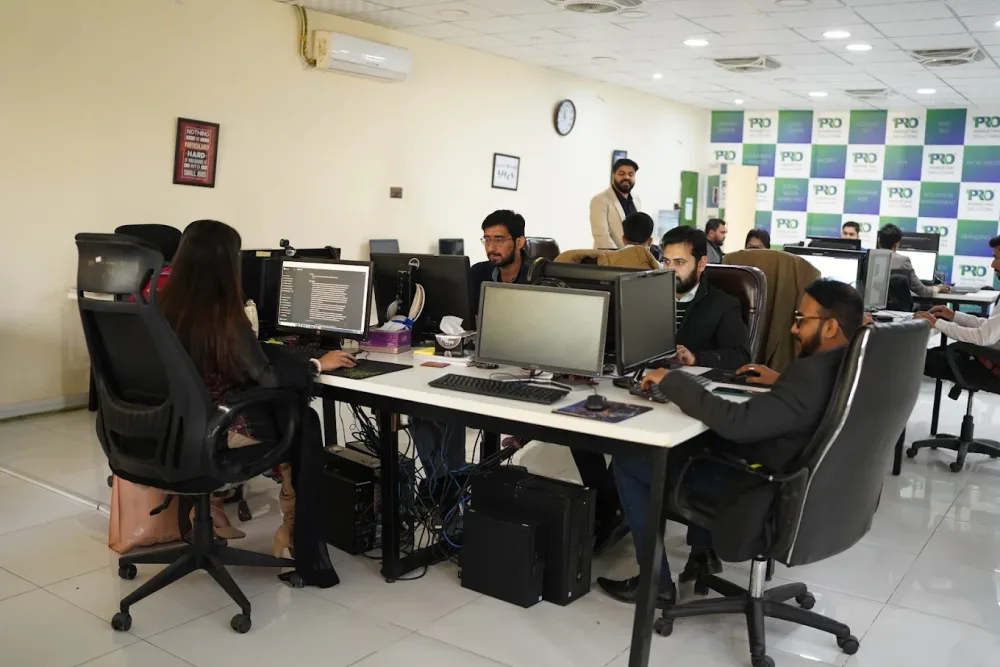 Watch our introduction
Retargeting & remarketing / The practical scope
Identify usable website, catalogue or customer signals and the permissions needed for the agreed setup.
Define entry conditions, time windows and the people who should stop receiving a message.
Plan useful reminders, product information or answers to unresolved buying questions.
Test audiences where possible and review delivery, frequency and outcomes with attribution limits in view.
Retargeting depends on available signals, audience size and platform rules. Reported attributed revenue is not automatically the same as incremental revenue.
Service guide
The approach, practical steps and decisions behind the plan.
Retargeting and remarketing systems are strategic frameworks that enable businesses to re-engage users who have previously interacted with their brand but have not yet converted. Agree a baseline and evaluate observed changes within the conditions of the engagement. For Pakistani businesses investing in digital advertising, effective retargeting systems significantly improve return on advertising spend by converting previously acquired traffic.
WeProms Digital provides retargeting and remarketing systems services in Pakistan with a focus on audience segmentation, cross-platform implementation, messaging strategy, and measurable conversion recovery. Our approach prioritizes efficient re-engagement that converts interested prospects without wasting budget on uninterested audiences. We serve businesses in Lahore, Karachi, Islamabad, and nationwide with hands-on implementation and continuous optimization.
Retargeting refers to serving advertisements to people who have visited your website or engaged with your content. Retargeting uses cookies, device identifiers, and first-party data to identify previous visitors and show them relevant ads across advertising platforms including Google Display Network, Meta platforms, and programmatic networks.
Remarketing is a broader term that encompasses all re-engagement activities, including email remarketing to previous customers and leads, dynamic product advertising showing previously viewed items, audience-based re-engagement on social platforms, and customer win-back campaigns for lapsed customers.
The terms are often used interchangeably, but effective systems combine both approaches to create comprehensive re-engagement strategies that reach audiences across multiple touchpoints.
Pakistani businesses face specific challenges that make retargeting essential for maximizing advertising investment returns.
High Cost of Initial Traffic Acquisition: Driving initial website traffic in Pakistan requires investment in search advertising, social advertising, and content marketing. Retargeting ensures this investment is not wasted on one-time visitors who leave without converting.
Extended Consideration Periods: Pakistani consumers often research extensively before purchasing, particularly for higher-value items. They visit multiple websites, compare prices, and seek recommendations. Retargeting maintains brand presence throughout this consideration period.
Cart Abandonment Recovery: E-commerce cart abandonment rates in Pakistan exceed 70%, driven by factors including payment processing concerns, shipping cost surprises, and comparison shopping. Retargeting addresses these concerns and brings abandoners back to complete purchases.
Lead Nurturing for B2B: Business-to-business sales cycles in Pakistan often span weeks or months. Retargeting keeps your brand visible to prospects who have expressed interest but are not yet ready to purchase.
Cash on Delivery Considerations: Cash on delivery (COD) remains the preferred payment method for most Pakistani e-commerce consumers. COD orders have higher cancellation rates, creating opportunities for retargeting to recover canceled orders and drive repeat purchases.
Competitive Market Differentiation: In competitive markets like Lahore and Karachi, consumers often visit multiple providers before choosing. Retargeting ensures your brand remains visible when competitors fade from memory.
Retargeting systems operate through audience identification, segmentation, and coordinated messaging across advertising platforms.
Step 1: Audience Identification and Data Collection
The foundation of retargeting is accurate identification of previous visitors and customers. We implement tracking pixels and tags across your digital properties, configure first-party data collection compliant with privacy requirements, establish customer matching for email and phone-based audiences, and integrate CRM data for customer audience creation.
Step 2: Audience Segmentation Strategy
Effective retargeting requires audience segmentation beyond simple visitor identification. We create segments based on website behavior and engagement depth, page-specific audiences for product and service interest, funnel position segments from awareness to cart abandonment, time-based segments for recency optimization, and customer value segments for retention focus.
Step 3: Cross-Platform Audience Implementation
Different advertising platforms offer distinct retargeting capabilities. We implement Google Ads remarketing for Display and YouTube, Meta custom audiences for Facebook and Instagram retargeting, LinkedIn Matched Audiences for B2B re-engagement, and programmatic retargeting through demand-side platforms where appropriate.
Step 4: Messaging Strategy and Creative Development
Retargeting requires messaging that acknowledges previous engagement and addresses specific barriers to conversion. We develop sequential messaging that progresses toward conversion, dynamic creative showing previously viewed products, benefit-focused messaging addressing common objections, and promotional offers for price-sensitive segments.
Step 5: Frequency Management and Burn Pixels
Overexposure to retargeting ads creates negative brand perception. We implement frequency caps to limit ad repetition, burn pixels that remove converted users from retargeting pools, negative audience exclusions for inappropriate targeting, and dayparting to optimize timing of exposure.
Step 6: Measurement and Optimization
Retargeting effectiveness requires ongoing measurement and optimization. We track view-through conversions from retargeting exposure, measure incremental lift versus control groups, analyze segment performance and budget allocation, and optimize audience definitions and duration settings.
Site Retargeting: The foundational approach that reaches previous website visitors. We segment visitors by behavior, pages visited, and engagement depth to deliver relevant messaging. Site retargeting recovers lost traffic and maintains brand presence during consideration periods.
Search Retargeting: Reaches users who have searched for relevant keywords, even if they have not visited your website. Search retargeting captures high-intent audiences at the research phase and drives them to your brand.
Email Retargeting: Upload customer and lead email lists to advertising platforms to target known contacts. Email retargeting works for customer retention, lead nurturing, and customer win-back campaigns.
Dynamic Product Retargeting: Automatically shows specific products that users previously viewed on your website. Dynamic retargeting requires product feed integration and is highly effective for e-commerce recovery.
Cart Abandonment Retargeting: Specifically targets users who added items to cart but did not complete purchase. Cart abandonment campaigns often incorporate incentives or address common abandonment reasons.
Video View Retargeting: Reaches users who have watched your video content on YouTube, Facebook, or other platforms. Video retargeting segments based on watch time to identify engaged viewers.
Engagement Retargeting: Targets users who have engaged with your content on social platforms, including page visitors, post engagers, and video viewers. Engagement audiences on Meta platforms enable broad retargeting beyond website visitors.
Customer Retention Retargeting: Targets existing customers for repeat purchases, upsells, and cross-sells. Customer retargeting maximizes customer lifetime value and reduces churn.
Google Ads Remarketing: Serves ads across the Google Display Network, YouTube, and Gmail. Google remarketing offers extensive reach and integration with search campaigns. We implement standard remarketing, dynamic remarketing, remarketing lists for search ads (RLSA), and customer match for email-based targeting.
Meta Custom Audiences: Retargets users across Facebook and Instagram. Meta’s custom audiences include website visitors through the Meta Pixel, customer lists uploaded to the platform, app users through SDK tracking, and engagement audiences from page and content interactions.
LinkedIn Matched Audiences: Enables B2B retargeting on LinkedIn. Matched audiences include website visitors, uploaded contact lists, and account lists for account-based retargeting. LinkedIn retargeting is valuable for professional services and B2B companies.
Programmatic Retargeting: Reaches users across programmatic advertising networks beyond Google and Meta. Programmatic retargeting provides additional reach and is useful for audiences less active on major platforms.
Email and SMS Remarketing: While not advertising-based, email and SMS remarketing complement paid retargeting. We coordinate messaging across channels to create cohesive re-engagement strategies.
Retargeting measurement requires metrics that capture both direct response and attribution effects.
Return on Ad Spend (ROAS): Revenue generated per rupee spent on retargeting. ROAS provides the most direct measure of retargeting profitability.
Cost Per Acquisition (CPA): The cost to generate conversions through retargeting. We compare retargeting CPA to prospecting CPA to understand efficiency.
Incremental Conversions: Conversions that would not have occurred without retargeting exposure. Incremental lift studies isolate the true impact of retargeting investment.
View-Through Conversions: Conversions that occur after ad exposure without a click. View-through attribution captures the influence effect of retargeting.
Cart Recovery Rate: The percentage of abandoned carts recovered through retargeting campaigns. Cart recovery is a key metric for e-commerce businesses.
Customer Acquisition Cost (CAC): When retargeting is included in the full acquisition mix, we measure overall CAC including retargeting costs.
Audience Decay Rate: How quickly retargeting audiences shrink as users convert or age out. Monitoring decay informs prospecting investment needs.
Local Consumer Behavior Understanding: Pakistani consumers exhibit specific shopping behaviors including extensive price comparison, COD preference, and mobile-first browsing. We incorporate these behaviors into retargeting timing, messaging, and offer strategies.
Platform Mix Optimization: Platform preferences in Pakistan differ from Western markets. We optimize retargeting platform allocation based on where Pakistani audiences are most active and responsive.
COD-Specific Messaging: Cash on delivery creates specific conversion barriers including payment confirmation anxiety and order cancellation options. We develop retargeting messaging that addresses COD-specific concerns.
Seasonal Timing: Pakistani shopping patterns around Eid, wedding seasons, and other events create retargeting opportunities. We plan retargeting intensity to align with peak shopping periods.
Regional Customization: Different cities in Pakistan have distinct consumer characteristics. We implement regional retargeting variations for businesses targeting specific geographic areas.
Retargeting systems services are appropriate for any business with meaningful website traffic that wants to improve conversion rates and return on advertising investment.
E-commerce Businesses: Online stores benefit significantly from retargeting, particularly for cart abandonment recovery, product retargeting, and customer retention. Dynamic retargeting shows previously viewed products to bring visitors back to purchase.
Lead Generation Businesses: Service businesses, B2B companies, and professional services use retargeting to nurture leads through extended consideration periods. Retargeting maintains brand presence while prospects evaluate options.
SaaS and Technology: Software companies use retargeting to re-engage trial users, drive feature adoption, and convert free users to paid plans. Multi-step funnels benefit from retargeting at each stage.
Real Estate and Property: Property developers and real estate agents use retargeting to maintain visibility with property seekers through extended search periods. Viewers of specific listings receive relevant follow-up advertising.
Education and Training: Educational institutions retarget prospective students who have shown interest in programs. Retargeting supports enrollment through application deadlines.
Travel and Hospitality: Hotels, airlines, and travel agencies retarget searchers and bookers who have not completed reservations. Retargeting recovers abandoned bookings and promotes destinations.
Retargeting system implementation costs vary based on complexity, platform scope, and ongoing management requirements.
Setup Sprint: One-time implementation including tracking configuration, audience definition, campaign build, and creative setup. Suitable for businesses with existing creative assets and capacity for ongoing management.
Monthly Retainer: Ongoing optimization, reporting, creative iteration, and strategic support. Recommended for businesses seeking continuous improvement and dedicated campaign management.
Platform Fees: Retargeting media costs are typically lower than prospecting costs due to higher intent audiences. Assess commercial value against actual spend, margin and confirmed business outcomes.
Retargeting typically generates returns exceeding the combined cost of media and management, making it one of the most efficient advertising investments for businesses with existing traffic.
Retargeting campaigns begin generating impressions and conversions shortly after launch, but optimal performance requires audience building and optimization.
Week 1: Initial campaigns launch with available audience data. Early conversions demonstrate retargeting effectiveness.
Week 2-4: Audiences grow as tracking collects visitor data. Performance data informs optimization adjustments.
Month 2: Mature audiences enable more sophisticated segmentation. Messaging optimization based on segment performance.
Month 3-6: Compounding effects as audience pools stabilize and optimization accumulates. Integration with prospecting creates full-funnel efficiency.
The timeline varies based on existing website traffic volume, which determines how quickly audiences reach effective sizes.
WeProms Digital provides retargeting and remarketing systems services throughout Pakistan. We commonly support businesses in Lahore, Karachi, Islamabad, Rawalpindi, Faisalabad, Multan, Peshawar, and remote teams across the country. Our team understands the Pakistani consumer landscape, digital platform usage, and cultural factors that influence retargeting effectiveness.
Published client experiences
Hear what working with WeProms was like, directly from our clients.
 Watch their story
Singapore · Events
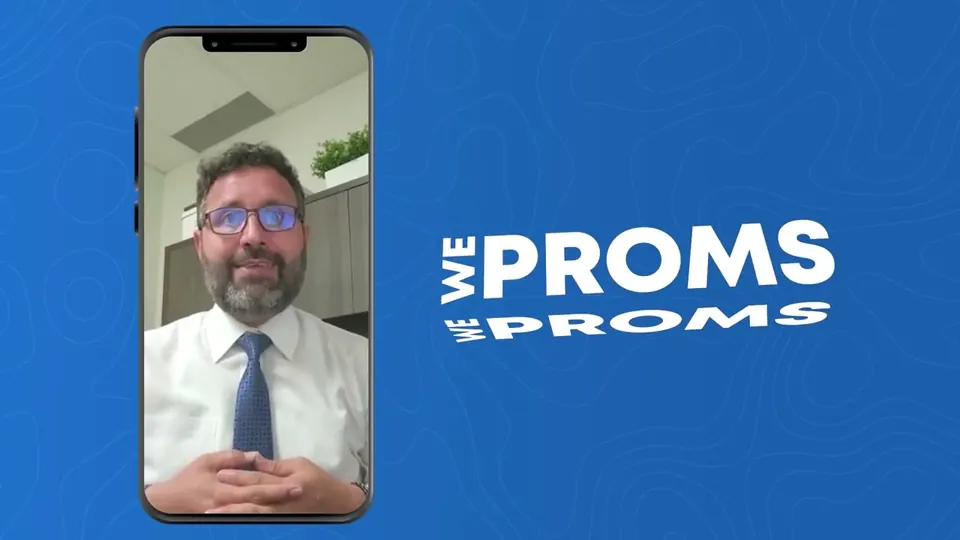 Watch their story
Client feedback
 Watch their story
New York · Wellness
See the difference
Your retargeting & remarketing work is part of a wider customer journey. Keep the message, destination and follow-up in view.
We connect the work around your customers, offer and sales process.
From Lahore, across borders
We work with clients in the UK, UAE, Singapore, Germany, Canada and Australia. Wherever your business takes you, our team in Lahore helps move your marketing forward.
Hear from our clients United Kingdom
 United Arab Emirates
 Singapore
 Germany
 Canada
 Australia
We also welcome enquiries from Pakistani business owners in:
Inside WeProms
Lahore, Pakistan
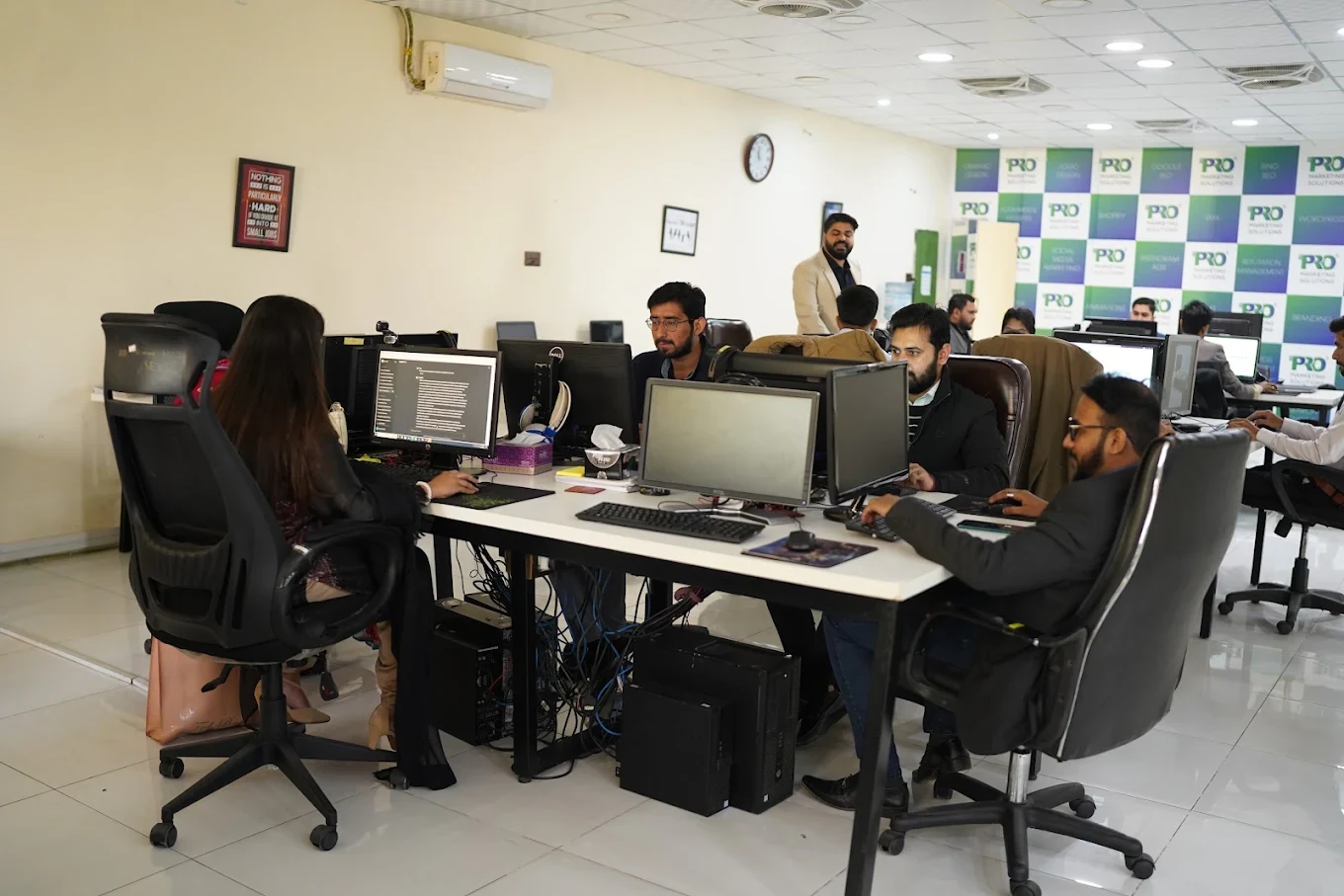

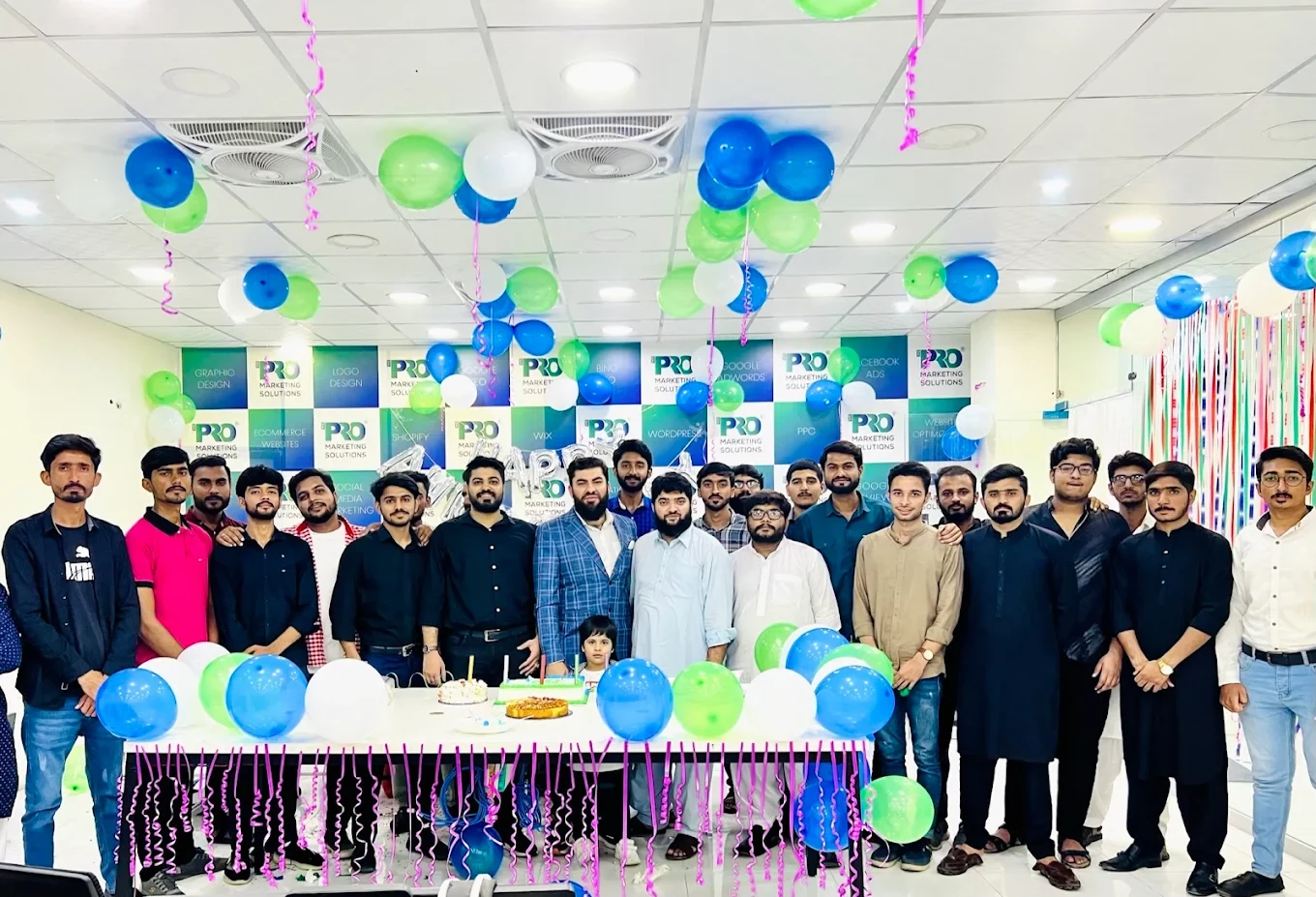

154, C1, Nespak Housing Scheme, Lahore 54770, Pakistan.
Working with a remote marketing team
You know your customers and market. Our strategists, creatives and technical specialists in Lahore help put the plan into practice. Agree the contact person, meeting times and approvals before we start.
Agree deliverables and the agency fee. Discuss ad spend and third-party tools separately.
Keep visibility and ownership. Agree access, asset licences and handover as part of the scope.
Agree a review schedule around your time zone. See what was delivered, what the numbers mean and what comes next.
Retargeting & remarketing
Straight answers to help you shape the brief.
More about working with WePromsWe can plan exclusions using the signals and approved customer data available in the selected platforms, then check how those rules are maintained.
We review the available audience size first. A limited audience may require a different budget, a broader plan or work on acquisition before retargeting.
No. Consent choices, browser restrictions, platform rules and available data affect who can be included.
Share the business, the market and the part you want to improve. We’ll help shape the next step.
Start a conversation