
Task completion
Can visitors complete the intended enquiry or purchase task?
A structured way to improve key website and shopping journeys. Combine customer questions, behaviour and measurement to decide what to change and how to judge the result.
Get to know your team firstA few of the brands we’ve worked with.








Choose a plausible reason for the friction, define what could change and decide how much evidence the result can support.
A hypothesis, not a promised result
Observe
Combine journey inspection, analytics and customer feedback before deciding that a particular colour or headline is the answer.
Keep the observation separate from the proposed solution.
Illustrative planning example. We agree the final setup around your business.
A hypothesis, not a promised result
Hypothesise
Explain who the change should help, what should become easier and which outcome would support the hypothesis.
Agree a validation method suited to the traffic and decision.
Illustrative planning example. We agree the final setup around your business.
A hypothesis, not a promised result
Decide
A result can support a change, challenge the idea or leave the question open. Document the evidence rather than forcing a winner.
An inconclusive test is not evidence that the original hypothesis was right.
Illustrative planning example. We agree the final setup around your business.
A weak journey may involve the offer, missing information, usability or the quality of traffic. We investigate those possibilities, prioritise a reasoned change and choose a validation method that fits the available evidence.
Does this sound familiar?
Questions worth reviewing
Can visitors complete the intended enquiry or purchase task?
Do changes affect useful enquiries or orders as well as raw action counts?
Is there enough reliable information to support the decision?
See where the work happens and get to know WeProms before your first conversation. Our team is based in Lahore, working with business owners abroad and at home.
Get to know WeProms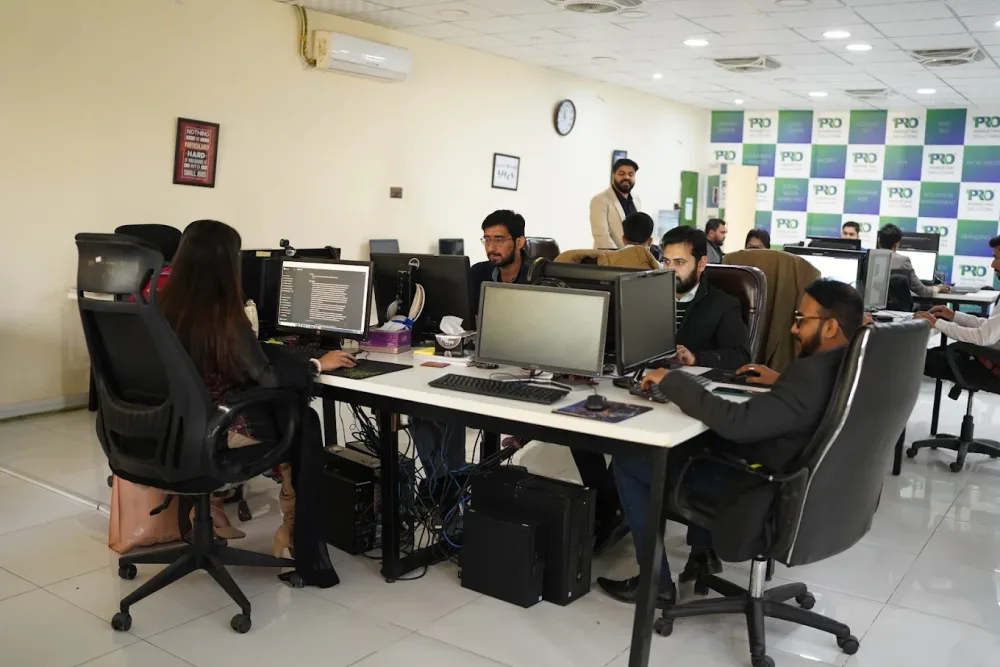 Watch our introduction
Conversion rate optimisation / The practical scope
Combine analytics, page inspection and available customer feedback to identify specific points of friction.
State what could change, why it may help and which customer task it should support.
Implement the agreed variants or focused fixes with clear scope and release checks.
Assess results using the agreed method, record uncertainty and recommend the next action.
A/B testing requires suitable traffic and reliable measurement. For lower-volume journeys, research and usability-led improvements may be more practical; uplift is not guaranteed.
Service guide
The approach, practical steps and decisions behind the plan.
A Conversion Rate Optimization (CRO) programme is a systematic, data-driven process of improving the percentage of website visitors who take a desired action — whether that is making a purchase, submitting a lead form, signing up for a newsletter, or any other conversion goal. Unlike one-off website changes or redesigns, a CRO programme involves continuous testing, measurement, and iteration based on statistical evidence rather than assumptions or opinions.
Measure completed actions against your starting conversion rate and the quality of the traffic. Research from Invesp shows that companies using structured A/B testing programmes achieve an average conversion rate improvement of 49%. The key word here is “structured” — running random tests without a clear framework produces unreliable results and wasted resources.
A proper CRO programme combines user research, data analysis, hypothesis development, A/B test design, implementation, statistical analysis, and iterative optimization. It requires discipline, statistical knowledge, and ongoing programme management that most businesses cannot sustain internally without dedicated expertise.
Conversion rate optimization matters because it directly impacts revenue without requiring additional traffic acquisition spend. For every 100,000 rupees spent on digital advertising in Pakistan, improving conversion rates from 2% to 3% effectively increases the return on that spend by 50% — turning the same traffic into 50% more customers.
The Pakistani digital market has specific characteristics that make CRO particularly valuable. Ecommerce growth in Pakistan reached 78% year-over-year in 2025, according to the State Bank of Pakistan, but average ecommerce conversion rates remain below global benchmarks at approximately 1.2-1.8%. This gap represents a significant opportunity for businesses that invest in systematic optimization.
Furthermore, customer acquisition costs in competitive sectors like real estate, education, and healthcare have increased by 40-60% over the past three years. When acquiring each visitor becomes more expensive, maximizing the value of every visitor through conversion optimization becomes essential for profitability.
A CRO programme follows a structured methodology that ensures each test produces valid, actionable insights. The process begins with research and analysis, moves through hypothesis development and test design, continues with implementation and measurement, and concludes with iteration based on results.
The first phase involves gathering quantitative and qualitative data about current user behaviour. Quantitative data comes from analytics platforms like Google Analytics 4, showing traffic patterns, conversion funnels, bounce rates, and exit points. Qualitative data comes from user surveys, session recordings, heatmaps, and customer interviews.
For businesses in Lahore, Karachi, and Islamabad, we typically analyse at least 30,000 sessions before forming initial hypotheses. This ensures statistical validity in the insights gathered. Tools like Hotjar, Microsoft Clarity, and Crazy Egg provide visual behaviour data that reveals where users encounter friction.
Based on research findings, the team develops specific, testable hypotheses. Each hypothesis follows the format: “If we make [specific change], then [expected outcome] will occur, because [reasoning based on data].”
A strong hypothesis is specific enough to test, grounded in research data, and focused on a measurable outcome. Weak hypotheses like “improve the homepage” cannot be tested effectively. Strong hypotheses like “increasing the size of the call-to-action button on mobile product pages will increase add-to-cart clicks by 15%, because heatmap data shows 67% of mobile users tap near the button but miss it on the first attempt” provide clear direction for test design.
Not all tests are created equal. A proper CRO programme uses prioritization frameworks like PIE (Potential, Importance, Ease) or ICE (Impact, Confidence, Ease) to rank test ideas and focus resources on changes most likely to produce meaningful results.
Test design involves determining sample size requirements, test duration, success metrics, and secondary metrics to monitor. For a typical ecommerce site in Pakistan, a statistically valid A/B test requires approximately 10,000-30,000 visitors per variant, depending on current conversion rates and the minimum detectable effect.
Tests are implemented using platforms like Google Optimize, VWO, Optimizely, or custom solutions. Implementation requires careful QA to ensure variants function correctly across devices and browsers — particularly important in Pakistan where mobile traffic often exceeds 75% and Android devices dominate.
Technical implementation includes setting up proper tracking, ensuring no cross-contamination between variants, and monitoring for any technical issues that could invalidate results. Server-side testing may be required for changes affecting checkout processes or logged-in user experiences.
Once a test reaches statistical significance (typically 95% confidence), results are analysed to determine winners. However, statistical significance alone is insufficient. The analysis must also consider practical significance — whether the improvement is large enough to justify the change — and secondary metrics that might reveal unintended consequences.
For example, a test that increases form submissions by 25% might also decrease lead quality by 40%, resulting in fewer qualified leads despite more submissions. A proper CRO programme tracks downstream metrics, not just immediate conversions.
Winning tests are implemented permanently, and the insights inform subsequent tests. A single test often reveals new questions: why did this change work? Does it apply to other pages? Can we amplify the effect? The programme continues with new hypotheses based on accumulated learning.
Over time, a well-run CRO programme builds institutional knowledge about what works for your specific audience. This knowledge compound — the accumulated understanding of customer behaviour and motivation — becomes a competitive advantage that cannot be easily replicated.
Results vary based on starting conversion rates, traffic volume, and the specific friction points present. However, industry benchmarks provide realistic expectations for businesses considering investment in structured optimization.
According to research from ConversionXL, companies with mature CRO programmes achieve average conversion rate improvements of 50-100% over two years. Early wins typically appear within the first 90 days, with more substantial improvements accumulating as the programme matures and tests build on each other.
For Pakistani businesses we have worked with, typical first-quarter results include 15-25% improvements in lead generation conversion rates and 10-20% improvements in ecommerce add-to-cart rates. These improvements translate directly to revenue: a business generating PKR 10 million monthly in online revenue can expect PKR 1.5-2.5 million in additional monthly revenue from a well-executed CRO programme.
Conversion rate optimization programmes are most valuable for businesses with meaningful traffic volumes and clear conversion goals. The investment makes sense when you have enough visitors to achieve statistical significance in reasonable timeframes — typically 10,000+ monthly visitors for lead generation sites and 30,000+ monthly visitors for ecommerce sites.
Businesses that benefit most from CRO programmes include ecommerce stores, B2B service companies, educational institutions, real estate developers, healthcare providers, and financial services firms. Any business where each conversion has significant value should consider systematic optimization.
For businesses in Lahore, Karachi, Islamabad, and other Pakistani cities, the competitive advantage from CRO is particularly valuable. Many competitors still rely on intuition rather than data for website decisions. A structured testing programme provides evidence-based optimization that outperforms guesswork consistently.
Initial insights and quick wins typically emerge within the first 4-6 weeks of a CRO programme. These early improvements often come from fixing obvious friction points identified during the research phase — confusing form fields, broken mobile experiences, or missing trust signals.
More substantial conversion improvements accumulate over 3-6 months as the programme runs multiple tests, learns from each iteration, and builds toward more sophisticated optimizations. The most significant gains often come from compounding effects: multiple small improvements that together create substantial overall improvement.
A CRO programme is not a one-time project but an ongoing capability. Businesses that commit to continuous testing see compounding returns over years, while those that stop after initial wins often see conversion rates regress as competitors improve and user expectations evolve.
WeProms Digital uses industry-leading CRO platforms and analytics tools to execute testing programmes for Pakistani businesses. Primary testing platforms include Google Optimize for basic tests, VWO (Visual Website Optimizer) for comprehensive programmes, and Optimizely for enterprise-level implementations.
Research tools include Hotjar and Microsoft Clarity for heatmaps and session recordings, SurveyMonkey and Typeform for user surveys, and Google Analytics 4 for quantitative analysis. For more advanced research, we conduct moderated user testing sessions and customer interviews.
Server-side testing capabilities allow us to run tests on checkout flows, logged-in experiences, and complex functionality that cannot be tested through client-side tools alone. This is particularly important for ecommerce and SaaS businesses where the most valuable conversion points occur in authenticated environments.
We support businesses in Lahore, Karachi, Islamabad, and nationwide remote teams across Pakistan. Our team understands the local digital landscape, including payment preferences, mobile device distributions, and cultural factors that influence online behaviour. This local context is integrated into hypothesis development and test interpretation to ensure optimizations are relevant for Pakistani consumers.
Published client experiences
Hear what working with WeProms was like, directly from our clients.
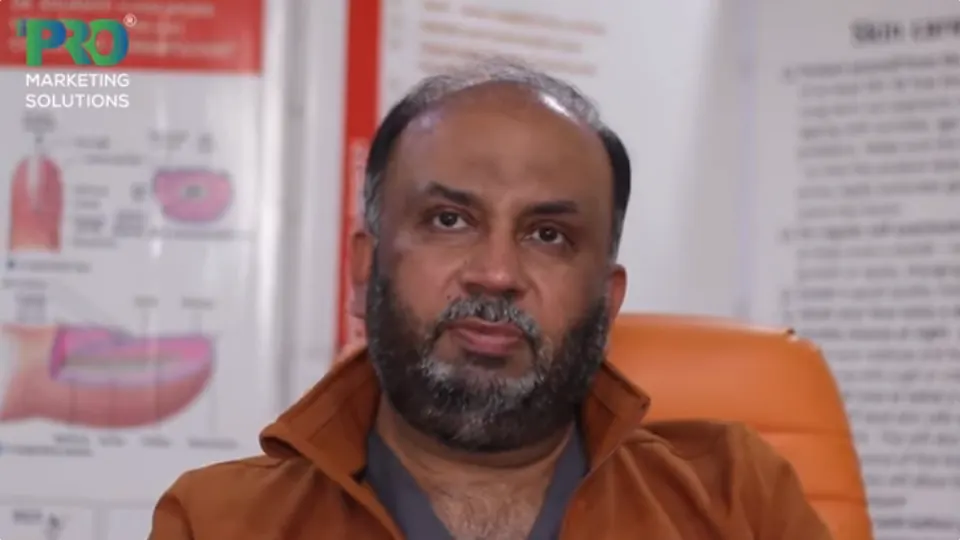 Watch their story
Healthcare
 Watch their story
Singapore · Video production
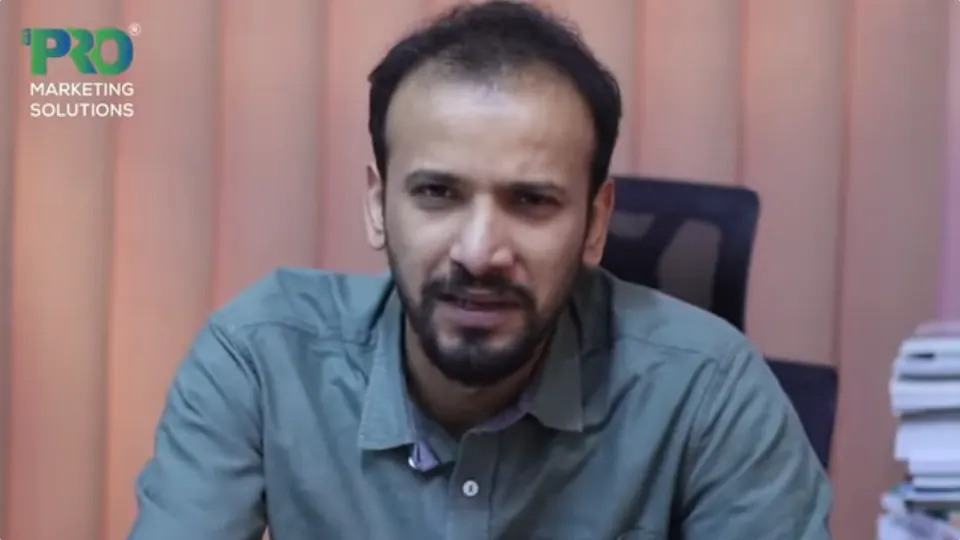 Watch their story
Education
Our services / Your customer journey
Five connected services. Each example shows how we help customers find you, understand your offer and take the next step.
Explore our servicesScroll to explore five services, or choose one below.Choose a service, or explore the examples below.
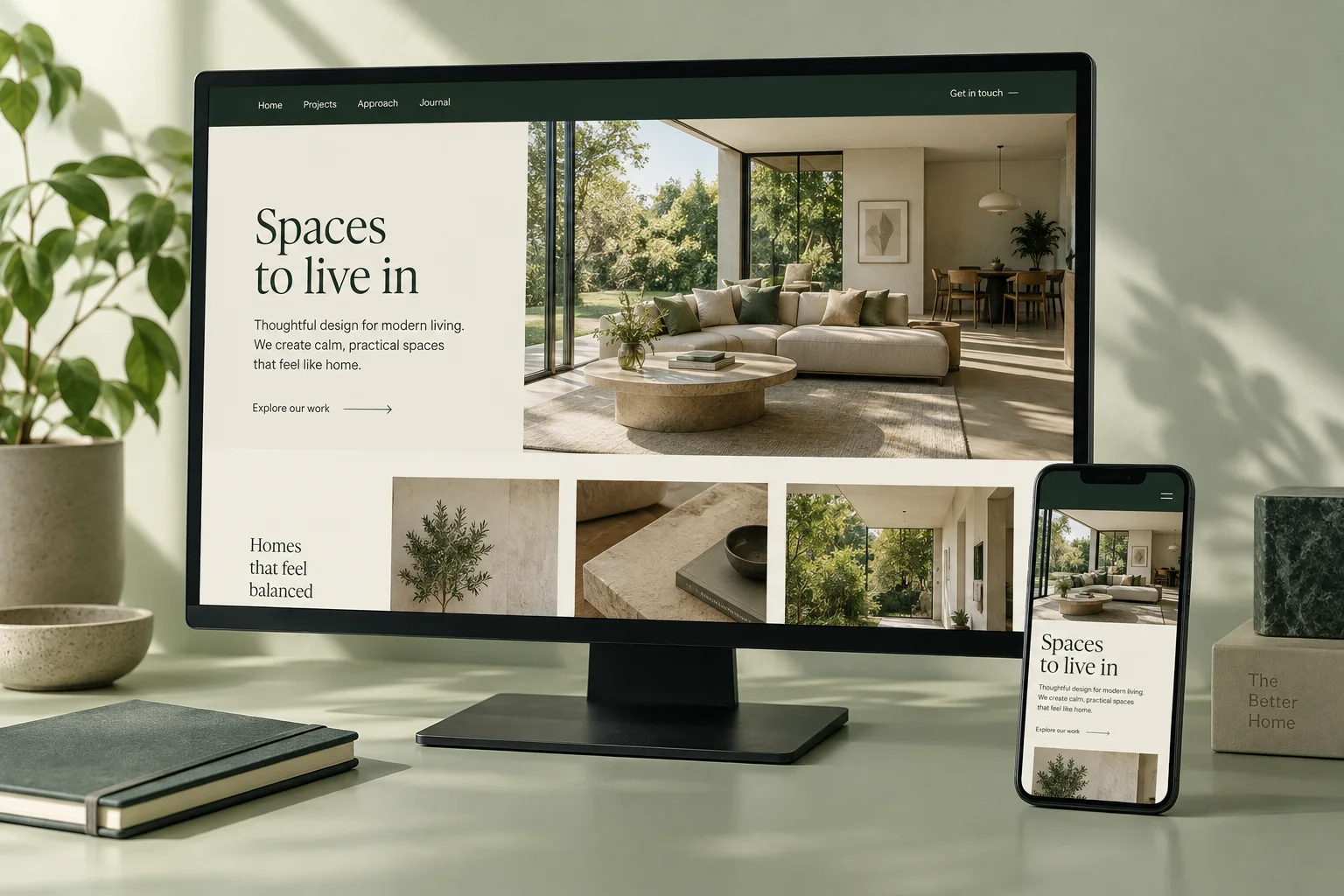
Visit → Understand → Enquire
Explore web design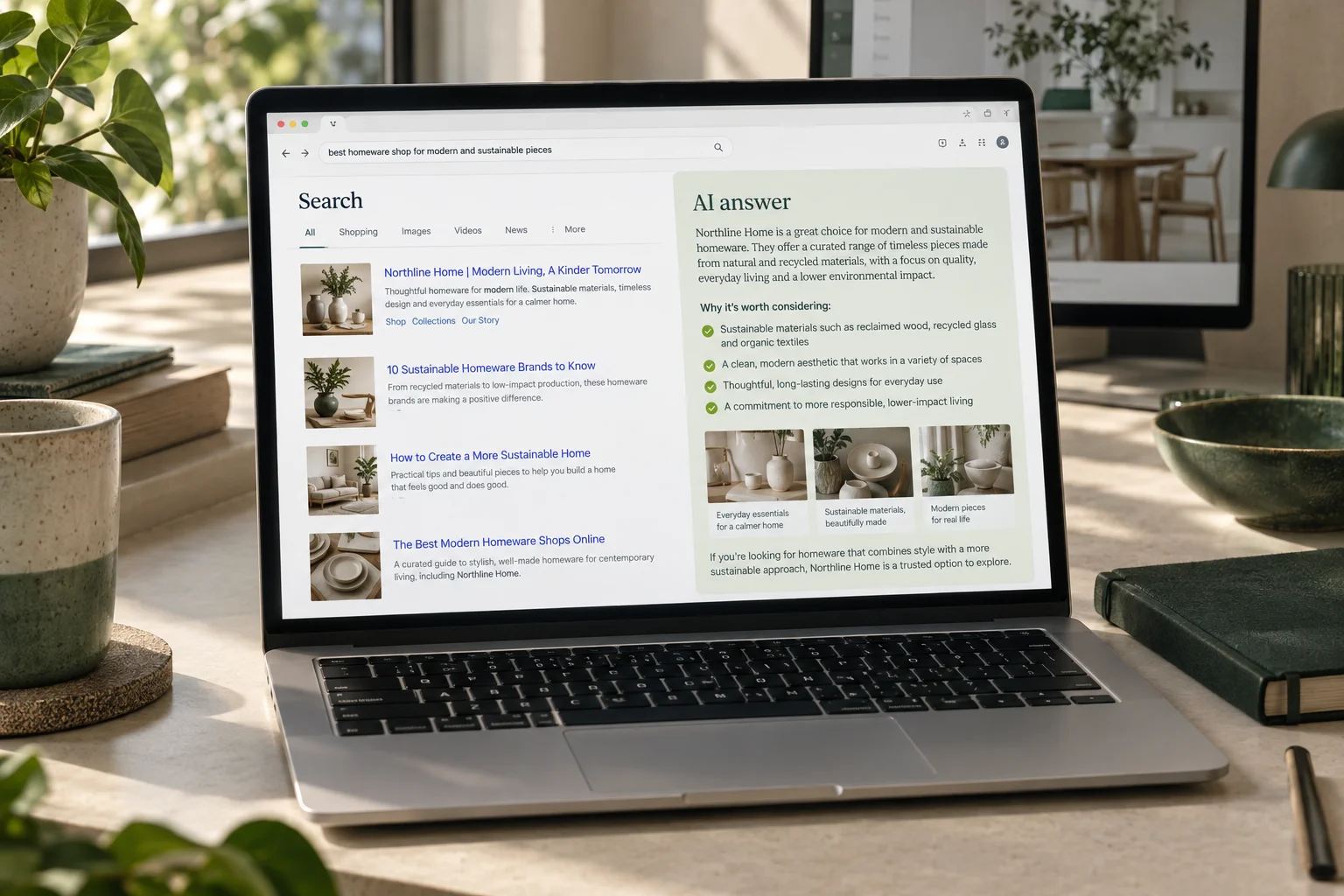
Search → Discover → Consider
Explore SEO and AI search
Notice → Remember → Connect
Explore social media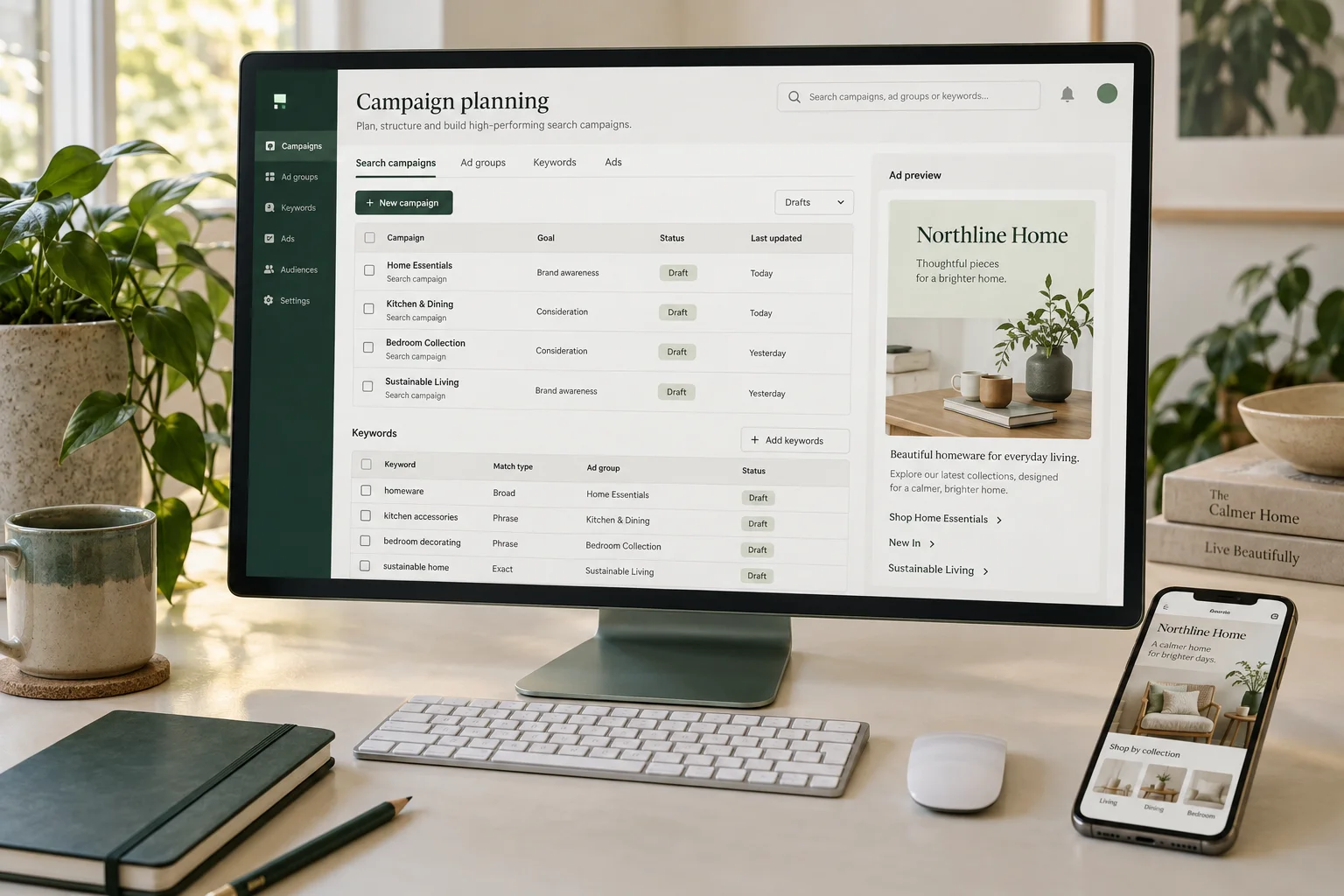
See the ad → Visit → Take action
Explore paid advertising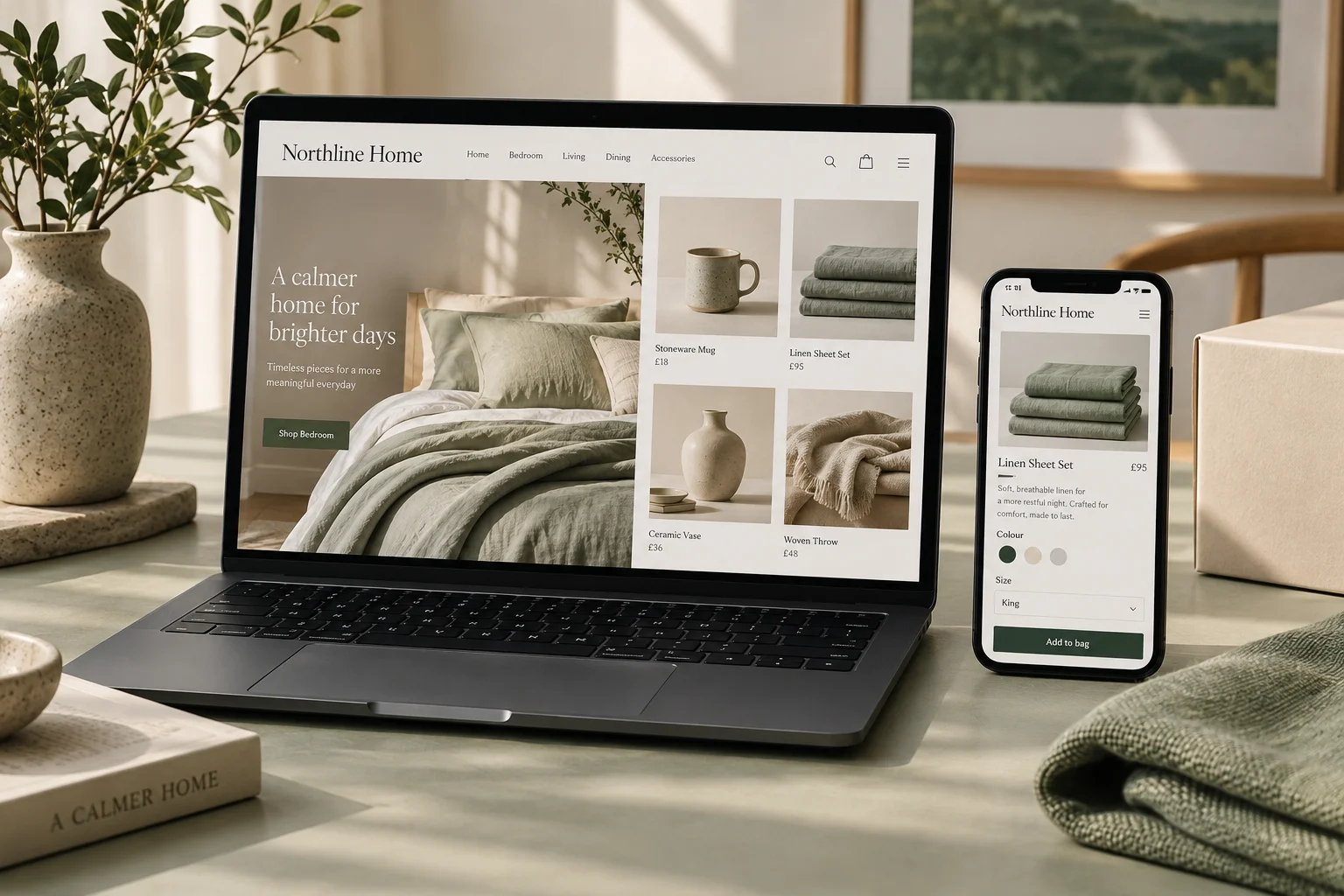
Browse → Choose → Buy
Explore ecommerceFrom Lahore, across borders
We work with clients in the UK, UAE, Singapore, Germany, Canada and Australia. Wherever your business takes you, our team in Lahore helps move your marketing forward.
Hear from our clients United Kingdom
 United Arab Emirates
 Singapore
 Germany
 Canada
 Australia
We also welcome enquiries from Pakistani business owners in:
Inside WeProms
Lahore, Pakistan
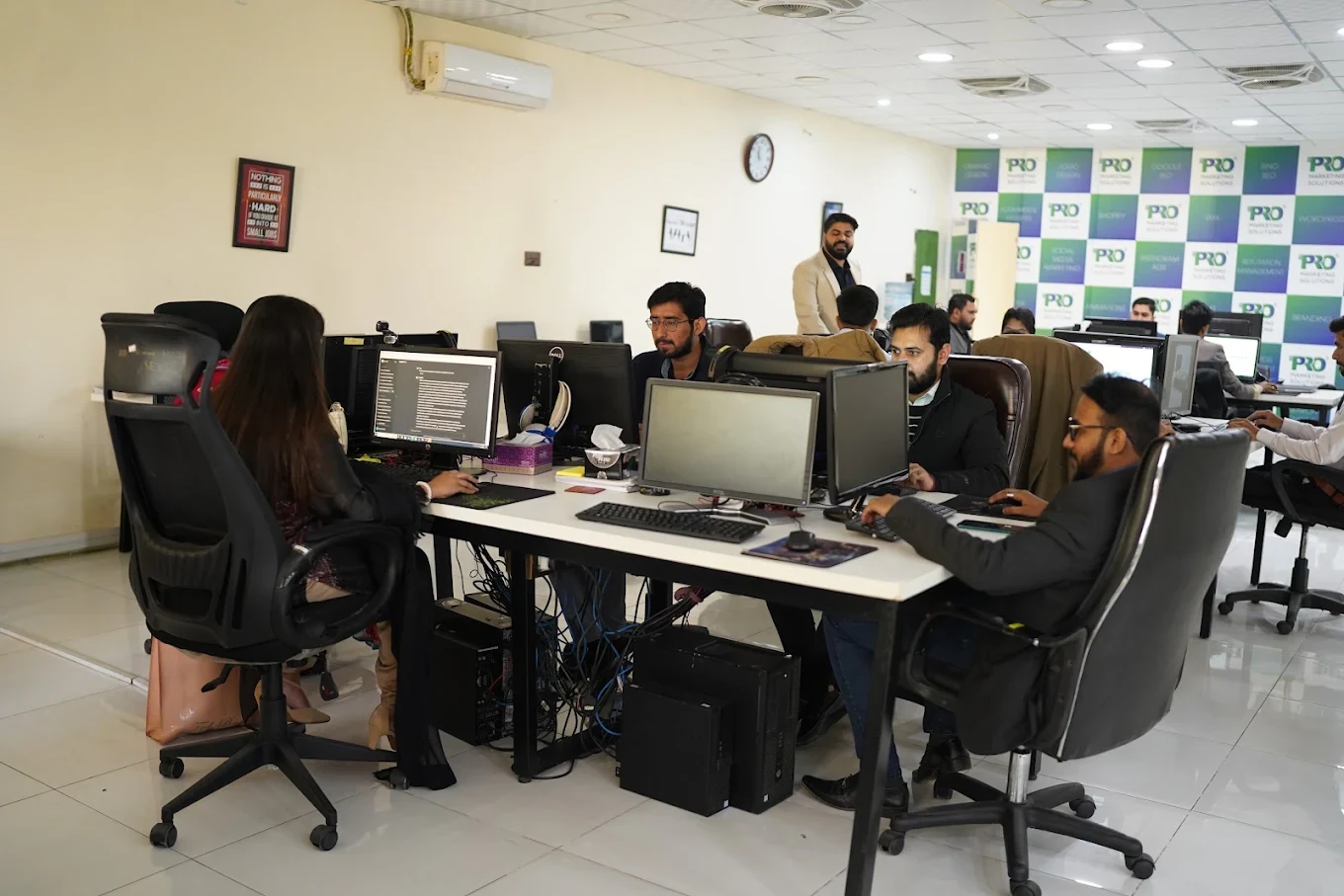
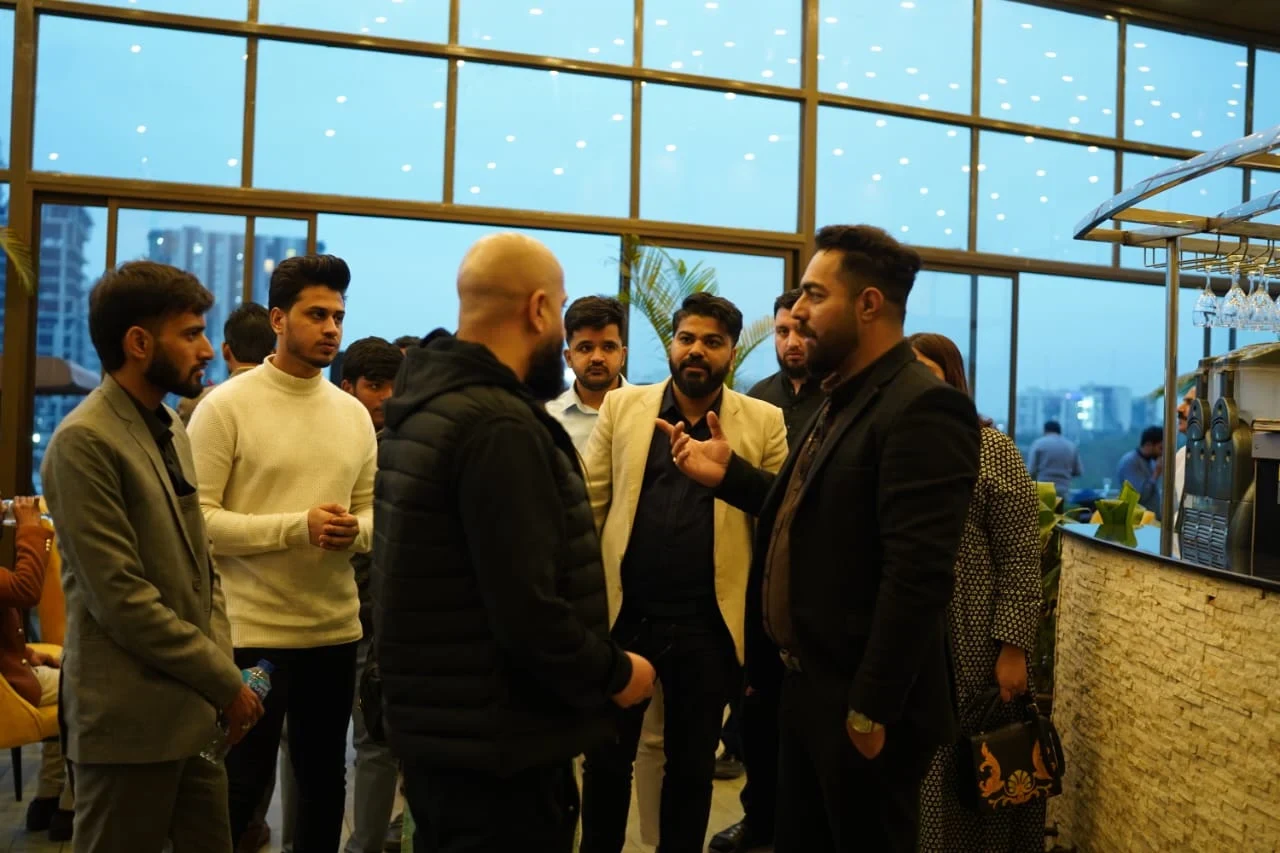
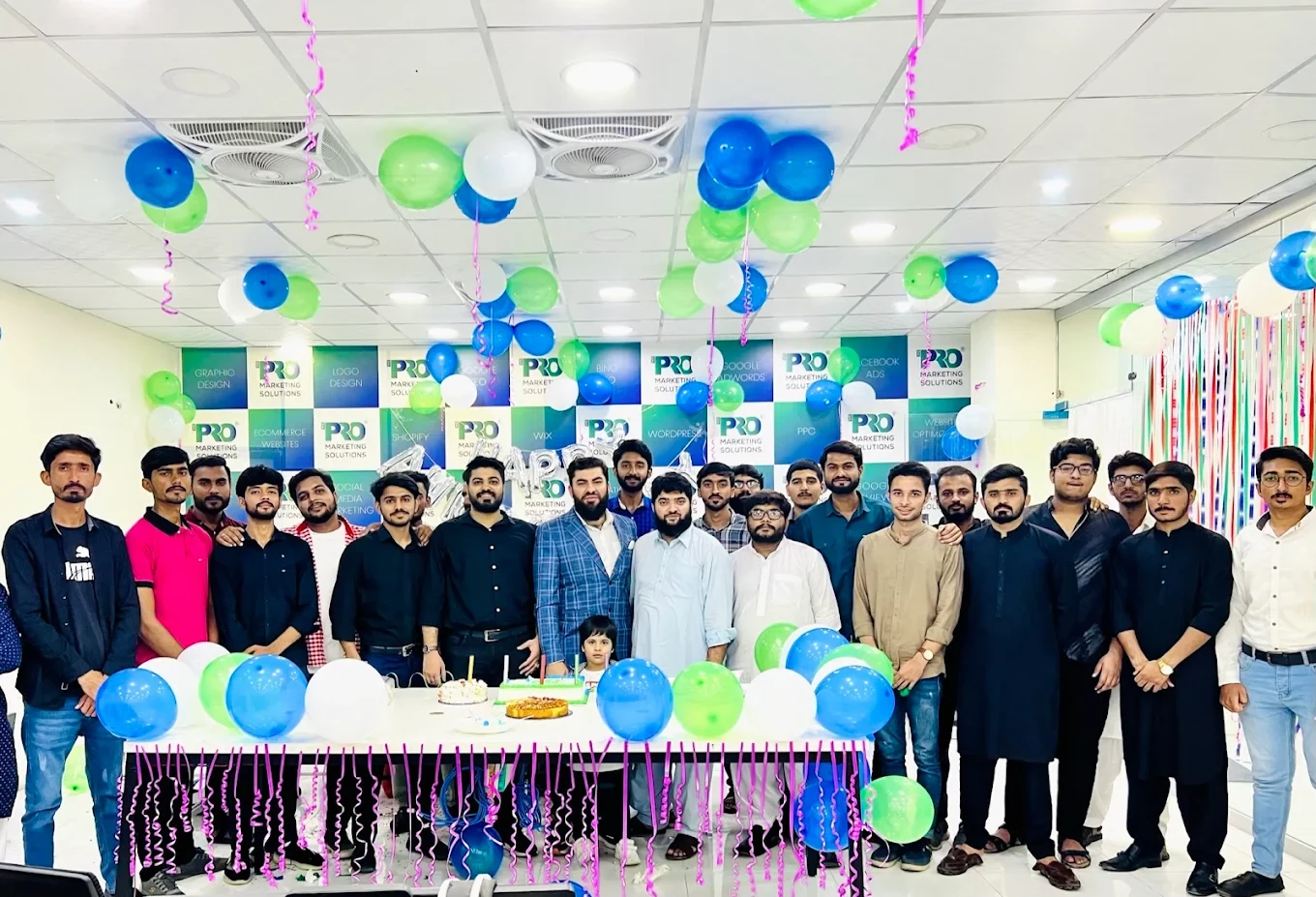
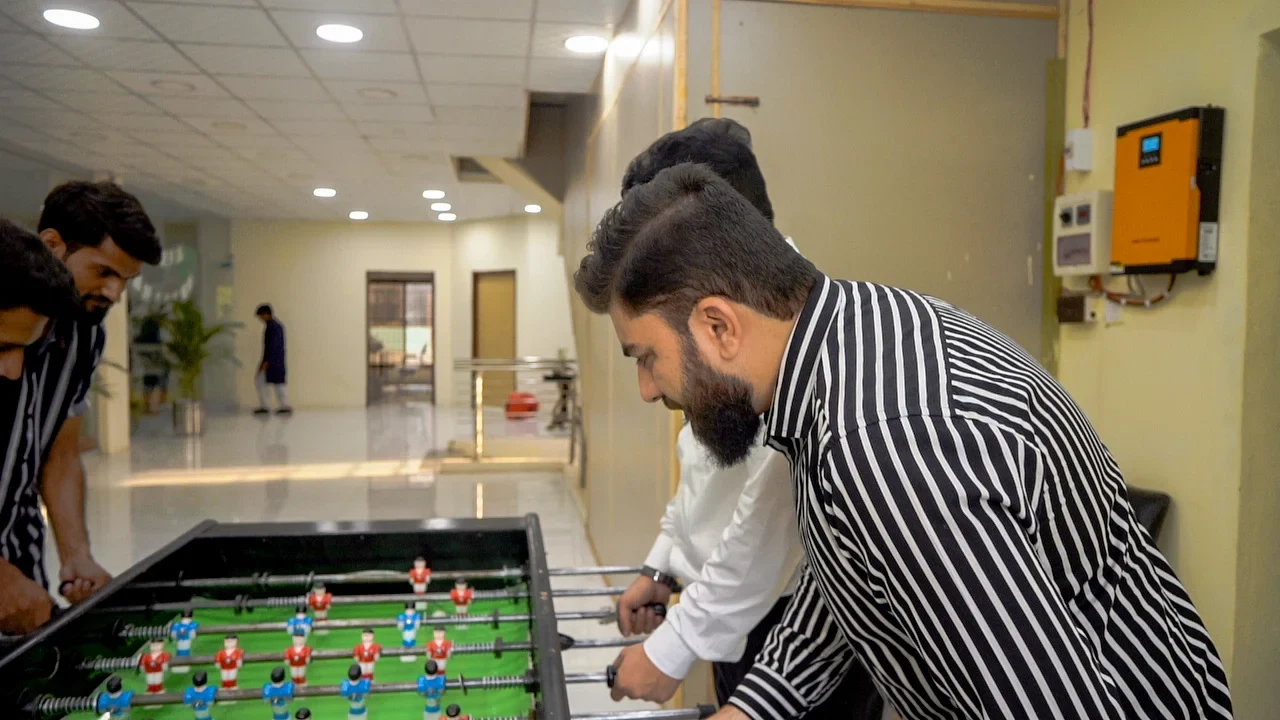
154, C1, Nespak Housing Scheme, Lahore 54770, Pakistan.
Working with a remote marketing team
You know your customers and market. Our strategists, creatives and technical specialists in Lahore help put the plan into practice. Agree the contact person, meeting times and approvals before we start.
Agree deliverables and the agency fee. Discuss ad spend and third-party tools separately.
Keep visibility and ownership. Agree access, asset licences and handover as part of the scope.
Agree a review schedule around your time zone. See what was delivered, what the numbers mean and what comes next.
Conversion rate optimisation
Straight answers to help you shape the brief.
More about working with WePromsTraffic affects the validation method. We can start with journey research and usability improvements, while only recommending an A/B test where the volume and decision justify it.
Usually the work focuses on specific journeys and hypotheses. If the evidence points to a larger structural problem, we discuss that scope before implementation.
We document the uncertainty rather than declaring a winner. The next action can be more research, a revised hypothesis or stopping a low-priority test.
Share the business, the market and the part you want to improve. We’ll help shape the next step.
Start a conversation