
Feed and account diagnosis
Review product data, diagnostics, store information and destination consistency.
Product feed and Shopping campaign support for stores selling into eligible markets. Keep product information, availability and campaign priorities connected to the store behind them.
Get to know your team firstGoogle Shopping / Measurement
Connect product-feed improvements with orders, revenue and acquisition cost.
Illustrative example. These figures are invented to demonstrate reporting. This is not a client result or an advertising-platform screenshot.
Explore a related case study Ask about relevant client evidenceBefore vs after · equal 30-day periods
Attributed purchases
| Measure | Before | After |
|---|---|---|
| Ad spend | PKR 150,000 | PKR 150,000 |
| Attributed revenue | PKR 450,000 | PKR 675,000 |
| Revenue ROAS | 3.0× | 4.5× |
A sample of two equal 30-day periods. A live review would also account for returns, product margins and the attribution settings.
SAMPLE DATA — NOT CLIENT RESULTS
See where the work happens and get to know WeProms before your first conversation. Our team is based in Lahore, working with business owners abroad and at home.
Get to know WeProms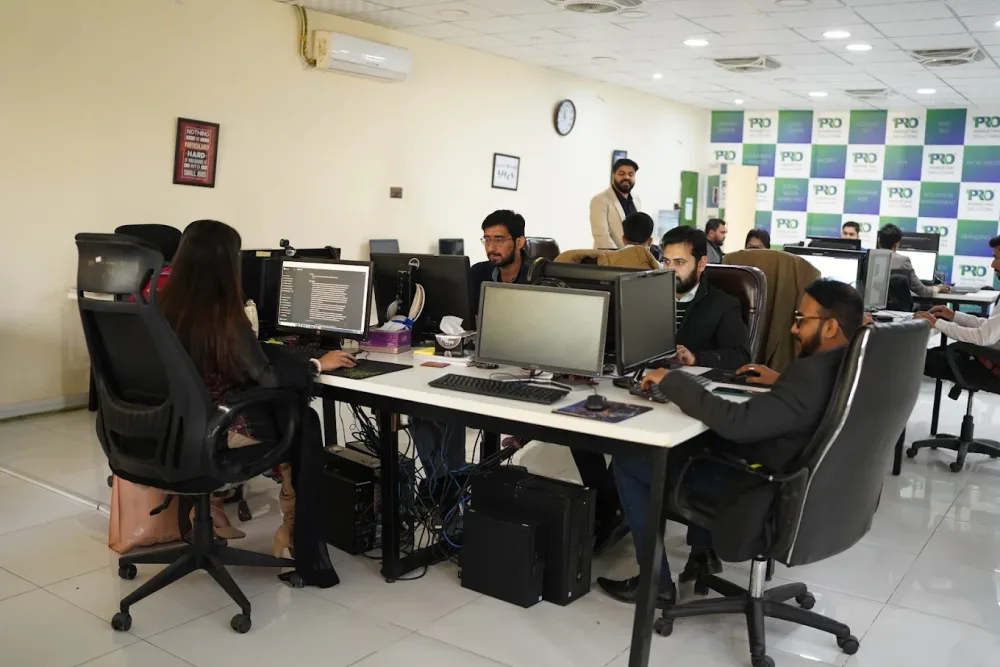 Watch our introduction
Review the information behind the listing. The feed and product page should describe the same item, availability and buying terms.
| Review point | Connect it with |
|---|---|
| Product title | Source information |
| Product identifier | The product page |
| Relevant attributes | The business priority |
Keep the listing and the buying experience consistent.
Identity
Titles, identifiers and relevant attributes should distinguish the item and its variations.
Check a representative item and its variants against the destination page.
Illustrative planning example. We agree the final setup around your business.
| Review point | Connect it with |
|---|---|
| Store price | Source information |
| Stock status | The product page |
| Feed refresh | The business priority |
Keep the listing and the buying experience consistent.
Availability
Price and stock need a reliable update route from the store to the feed.
Investigate mismatches at the source before applying a temporary feed patch.
Illustrative planning example. We agree the final setup around your business.
| Review point | Connect it with |
|---|---|
| Product group | Source information |
| Commercial context | The product page |
| Campaign priority | The business priority |
Keep the listing and the buying experience consistent.
Priority
Stock, margin context and range priorities help decide which products deserve advertising attention.
Keep eligibility and commercial priorities separate from simple product volume.
Illustrative planning example. We agree the final setup around your business.
A few of the brands we’ve worked with.








Shopping & product feeds / The practical scope
Review product data, diagnostics, store information and destination consistency.
Improve agreed titles, descriptions, categories, identifiers and other supported attributes.
Organise the catalogue around useful business distinctions such as range, stock and margin context.
Set up agreed Shopping activity and document feed updates, diagnostics and review ownership.
Market eligibility and platform approval are reviewed before launch. Media spend, feed software and store development are separate costs unless included in the agreed scope.
Review products, markets, fulfilment and existing feed connections.
Prioritise source-data corrections and feed configuration changes.
Align product groups, destinations, budgets and measurement.
Review disapprovals, catalogue updates and commercial performance.
Service guide
The approach, practical steps and decisions behind the plan.
Shopping and product feed management is the strategic process of optimizing product data feeds and managing shopping advertising campaigns to maximize e-commerce visibility and return on advertising spend. As of 2026, Google Shopping captures over 40% of all retail search clicks in markets where it operates, making it the dominant platform for product discovery in search. For Pakistani e-commerce businesses, effective shopping campaigns and optimized product feeds are essential for competing in the rapidly growing online retail market.
WeProms Digital provides shopping and product feed management services in Pakistan with a focus on feed optimization, campaign architecture, bid strategy, and measurable revenue outcomes. Our approach prioritizes product visibility in shopping results, efficient cost management, and continuous performance optimization. We serve e-commerce businesses in Lahore, Karachi, Islamabad, and nationwide with hands-on implementation and ongoing management.
Shopping Ads are product-focused advertisements that display product images, titles, prices, and merchant information directly in Google search results and across Google’s properties. Unlike text-based search ads, shopping ads provide visual product information that helps consumers make purchasing decisions directly from search results.
Product Feeds are structured data files containing product information including titles, descriptions, prices, images, availability, and attributes. These feeds are uploaded to Google Merchant Center, where product data is validated and made available for advertising. Feed quality directly determines shopping ad eligibility, relevance, and performance.
Google Merchant Center is the platform where businesses upload product feeds, manage product data, and connect with Google Ads for shopping campaign management. Merchant Center configuration affects feed quality scores, product eligibility, and advertising performance.
Google Shopping Campaigns are advertising campaigns that promote products from Merchant Center feeds. Shopping campaigns use product data for targeting and ad creation, requiring different optimization approaches than text-based search campaigns.
Performance Max for Retail is Google’s AI-powered campaign type that automatically promotes products across Google’s entire advertising inventory including Search, Display, YouTube, Gmail, and Maps. Performance Max simplifies campaign management while requiring strategic feed optimization.
Pakistani e-commerce has experienced explosive growth, with online retail increasing over 40% annually since 2020. This growth has intensified competition for visibility, making professional shopping campaign management essential for success.
Visual Product Discovery: Pakistani consumers increasingly search for products visually, expecting to see product images, prices, and comparisons before clicking. Shopping ads meet these expectations better than text ads, capturing consumer attention and driving higher click-through rates.
High Purchase Intent: Shopping ad clicks come from consumers actively searching for specific products. This high intent translates to conversion rates 2-3 times higher than traditional search advertising, making shopping campaigns highly efficient for revenue generation.
Competitive E-commerce Landscape: Major e-commerce platforms and thousands of smaller retailers compete for shopping visibility. Professional feed optimization and campaign management differentiate businesses in crowded product categories.
Mobile Shopping Growth: Over 80% of e-commerce activity in Pakistan occurs on mobile devices. Shopping ads are optimized for mobile display, providing seamless product discovery experiences for mobile shoppers.
Local E-commerce Ecosystem: Pakistani e-commerce businesses face specific challenges including cash on delivery preferences, local payment gateway integration, and regional shipping logistics. Shopping campaigns can incorporate these factors into targeting and optimization.
Export Market Access: Pakistani businesses selling internationally use Google Shopping to reach global consumers. International shopping campaigns require specific feed configurations and localization strategies.
Our shopping campaign management process combines feed optimization with strategic campaign management for comprehensive performance improvement.
Step 1: Merchant Center Audit and Configuration
We begin by auditing your Google Merchant Center account for feed quality issues, configuration errors, and optimization opportunities. This includes reviewing feed structure and required attributes, identifying disapproved products and rejection reasons, analyzing feed quality scores and recommendations, verifying website and domain ownership, and configuring shipping and tax settings appropriate for Pakistani markets.
Step 2: Feed Analysis and Optimization
Product feed quality determines shopping campaign performance. We analyze feed contents for optimization opportunities including title optimization for search relevance, description enhancement for product detail, image quality assessment and improvement recommendations, attribute completion for filtering and targeting, and category mapping accuracy for product classification.
Step 3: Feed Management System Implementation
For businesses with large or frequently changing product catalogs, we implement feed management systems that automate feed updates, apply optimization rules at scale, sync inventory and pricing changes, and maintain feed quality through automated validation. Feed management platforms enable scalable optimization that manual updates cannot achieve.
Step 4: Campaign Architecture and Implementation
We design shopping campaign structures aligned with your product catalog and business objectives. This includes Standard Shopping campaigns for granular control, Performance Max campaigns for automated optimization across Google properties, campaign segmentation by product category or margin, priority settings for promotional campaigns, and negative keyword lists for query control.
Step 5: Bid Strategy and Budget Management
Shopping campaigns require bid strategies aligned with business objectives. We implement manual bidding for maximum control, target ROAS bidding for revenue optimization, target CPA bidding for cost control, and smart bidding strategies that optimize for conversion value.
Step 6: Performance Analysis and Optimization
Ongoing management includes search term analysis for negative keyword identification, product performance analysis and segmentation, bid adjustments based on performance data, feed updates based on performance insights, and A/B testing of feed elements where applicable.
Product Titles: The most important element for search relevance. We optimize titles to include primary keywords, product attributes, and brand names while maintaining readability and character limits.
Product Descriptions: Detailed descriptions provide context for product matching and consumer information. We optimize descriptions with relevant keywords, product features, and benefits.
Product Images: High-quality images are essential for click-through rates. We assess image quality, recommend improvements, and ensure compliance with Google’s image requirements.
Product Attributes: Attributes including color, size, material, and gender enable filtering and improve relevance. We ensure complete attribute data for all products.
Product Category: Accurate category classification affects product matching and bidding. We verify Google product category mappings for all products.
Pricing and Availability: Accurate pricing and availability information prevents customer disappointment and feed disapprovals. We implement systems for real-time synchronization.
Shipping and Tax: Transparent shipping costs and times improve conversion rates. We configure shipping settings appropriate for Pakistani delivery expectations.
Custom Labels: Custom labels enable campaign segmentation by margin, seasonality, best sellers, or other business-relevant categories. We implement custom labels for strategic campaign management.
Standard Shopping Campaigns: Provide granular control over bidding, budgeting, and product segmentation. Standard campaigns enable detailed performance analysis and manual optimization at the product group level.
Performance Max for Retail: Google’s AI-powered campaign type that automatically optimizes product promotion across Search, Display, YouTube, Gmail, and Maps. Performance Max requires strategic feed optimization to achieve best results.
Smart Shopping Campaigns: The predecessor to Performance Max, combining shopping and remarketing with automated optimization. Some accounts still use Smart Shopping campaigns, which we continue to manage and optimize.
Local Inventory Ads: For retailers with physical stores, local inventory ads show product availability at nearby locations. This is valuable for Pakistani businesses with retail presence alongside e-commerce.
Dynamic Remarketing: Product-specific remarketing that shows previously viewed products to website visitors. Dynamic remarketing recovers abandoned shopping carts and re-engages product browsers.
Shopping Ads in Image Search: Product listings in Google Image search results provide additional visibility for visual product discovery.
Shopping campaign measurement requires tracking revenue and efficiency metrics alongside traditional advertising metrics.
Return on Ad Spend (ROAS): Revenue generated per rupee spent on shopping advertising. ROAS is the primary efficiency metric for e-commerce advertising.
Cost Per Acquisition (CPA): The cost to generate each purchase or conversion. CPA provides a simple efficiency measure comparable across channels.
Conversion Value: Total revenue generated through shopping campaigns. Conversion value measures absolute contribution to business revenue.
Click-Through Rate (CTR): The percentage of shopping ad impressions that result in clicks. CTR indicates feed quality and product relevance.
Average Order Value (AOV): The average value of orders from shopping traffic. AOV informs bidding strategy and product mix optimization.
Impression Share: The percentage of available shopping impressions your ads capture. Low impression share indicates opportunity for budget or bid increases.
Search Term Analysis: Understanding what queries trigger product ads reveals optimization opportunities for titles, descriptions, and negative keywords.
Product Performance: Analysis at the individual product level identifies best sellers, poor performers, and optimization opportunities.
Understanding Pakistani E-commerce Behavior: Pakistani online shoppers exhibit specific behaviors including extensive price comparison, preference for cash on delivery, and mobile-first browsing. We incorporate these factors into campaign strategy and feed optimization.
COD Conversion Tracking: Cash on delivery orders create tracking challenges since payment occurs after the order. We implement appropriate tracking solutions that attribute COD orders to advertising investments.
Regional Targeting: Different regions of Pakistan have distinct purchasing power, delivery infrastructure, and preferences. We implement regional bid adjustments and targeting for optimal efficiency.
Seasonal Planning: Pakistani shopping peaks around Eid, wedding seasons, and other events require advance planning. We develop seasonal campaign strategies that capitalize on these opportunities.
Competitive Pricing Visibility: Price comparison is common among Pakistani consumers. We implement pricing strategies that maintain competitive positioning in shopping results.
Mobile Optimization: Mobile shopping dominates in Pakistan. We optimize feed elements and campaign settings for mobile performance, including image sizing and mobile bid adjustments.
Shopping campaign management services are appropriate for e-commerce businesses seeking to maximize visibility and revenue through Google Shopping.
E-commerce Retailers: Online stores selling physical products benefit from shopping campaigns that showcase products visually in search results. All product categories from electronics to fashion to home goods can succeed with shopping advertising.
Multi-Brand Retailers: Businesses selling products from multiple brands use shopping campaigns to compete for visibility across product categories. Feed segmentation enables strategic bidding by brand or margin.
Direct-to-Consumer Brands: Brands selling directly to consumers use shopping campaigns to capture brand searches and compete with retailers. Brand-specific campaigns protect brand presence in shopping results.
Marketplace Sellers: Businesses selling on platforms like Daraz can use shopping campaigns to drive traffic to their marketplace stores, supplementing platform-internal marketing.
Export E-commerce: Pakistani businesses selling internationally use shopping campaigns to reach overseas consumers. International campaigns require specific feed configurations and currency handling.
Local Retailers with Online Presence: Physical stores with e-commerce capability use shopping campaigns and local inventory ads to drive both online and in-store sales.
Shopping campaign management costs vary based on catalog size, campaign complexity, and service scope.
Setup Sprint: One-time implementation including Merchant Center configuration, feed optimization, campaign build, and tracking setup. Suitable for businesses with capacity for ongoing management.
Monthly Retainer: Ongoing optimization, reporting, feed management, and strategic support. Recommended for businesses seeking continuous improvement and dedicated campaign management.
Feed Management Platform Fees: For large catalogs, feed management platforms may be recommended. Platform costs are separate from management fees but provide scalable optimization capabilities.
Media costs for shopping campaigns vary by product category, competition, and targeting. Shopping typically generates returns exceeding other advertising channels due to high purchase intent, making it a core e-commerce investment.
Shopping campaigns can generate sales from launch day, but optimal performance requires feed optimization and campaign refinement.
Week 1-2: Campaigns launch and begin collecting performance data. Initial sales demonstrate product-market fit and feed eligibility.
Week 3-4: Search term analysis reveals query patterns and negative keyword opportunities. Product performance differentiation becomes visible.
Month 2: Feed optimization based on performance data improves relevance and click-through rates. Bid adjustments refine efficiency.
Month 3-6: Compounding optimization effects drive continued improvement. Seasonal planning capitalizes on peak shopping periods.
The timeline varies by catalog size, competition level, and existing feed quality. Well-optimized feeds with accurate data achieve strong performance faster than feeds requiring significant remediation.
WeProms Digital provides shopping and product feed management services throughout Pakistan. We commonly support e-commerce businesses in Lahore, Karachi, Islamabad, Rawalpindi, Faisalabad, Multan, and nationwide. Our team understands the Pakistani e-commerce landscape, consumer behavior, and logistics considerations that influence shopping campaign effectiveness.
Published client experiences
Hear what working with WeProms was like, directly from our clients.
 Watch their story
Healthcare
 Watch their story
Singapore · Video production
 Watch their story
Education
From Lahore, across borders
We work with clients in the UK, UAE, Singapore, Germany, Canada and Australia. Wherever your business takes you, our team in Lahore helps move your marketing forward.
Hear from our clients United Kingdom
 United Arab Emirates
 Singapore
 Germany
 Canada
 Australia
We also welcome enquiries from Pakistani business owners in:
Inside WeProms
Lahore, Pakistan
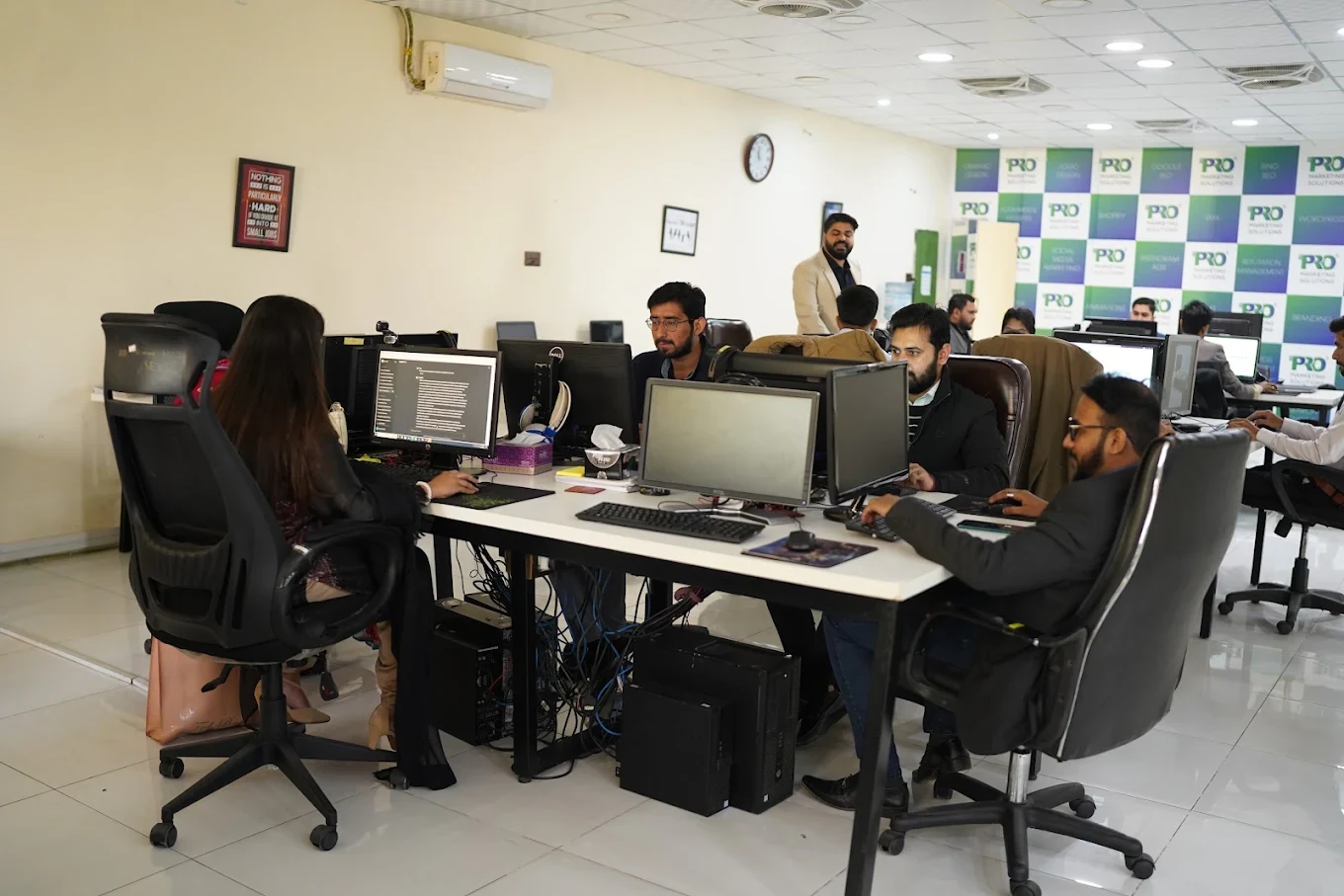

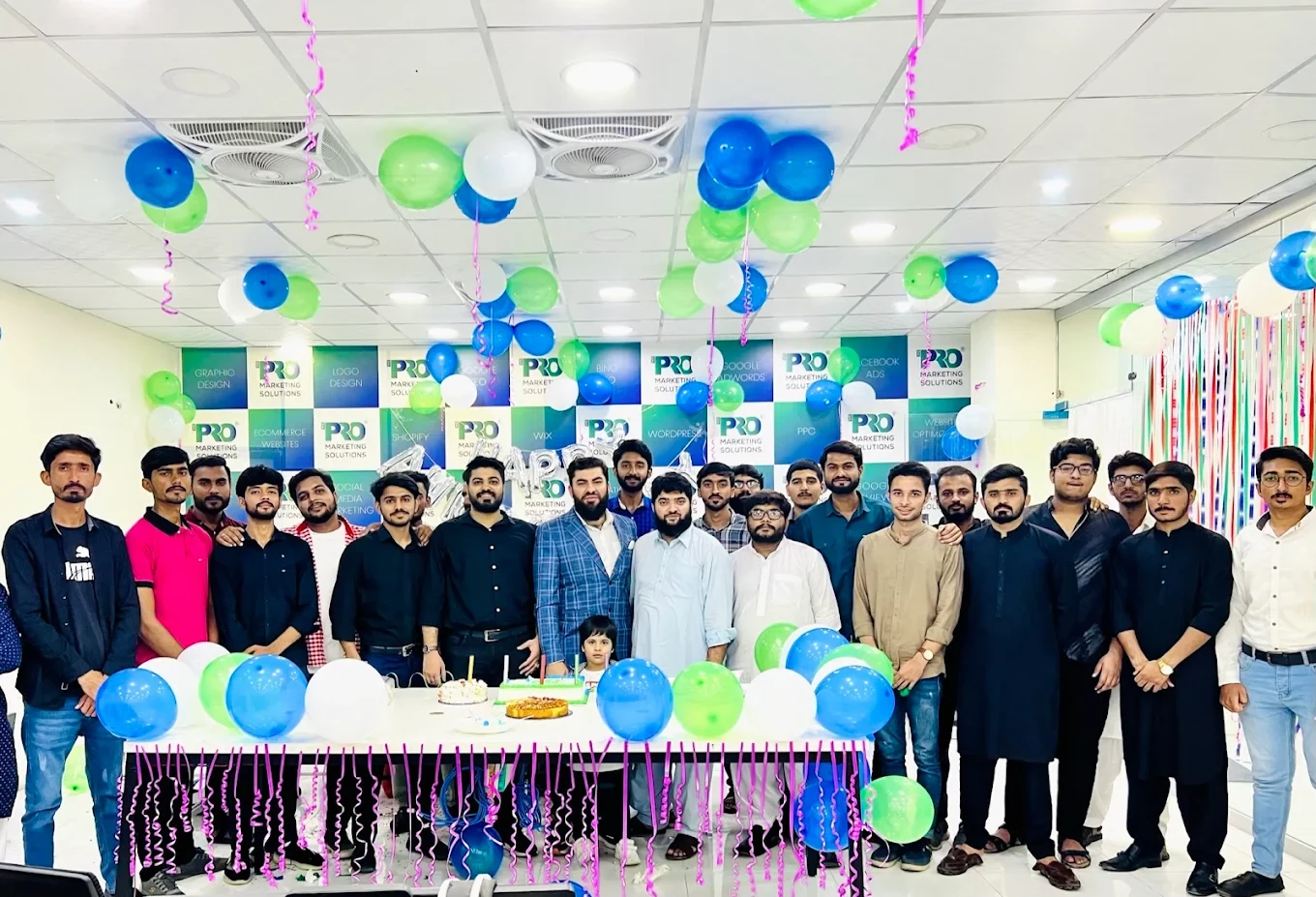

154, C1, Nespak Housing Scheme, Lahore 54770, Pakistan.
Working with a remote marketing team
You know your customers and market. Our strategists, creatives and technical specialists in Lahore help put the plan into practice. Agree the contact person, meeting times and approvals before we start.
Agree deliverables and the agency fee. Discuss ad spend and third-party tools separately.
Keep visibility and ownership. Agree access, asset licences and handover as part of the scope.
Agree a review schedule around your time zone. See what was delivered, what the numbers mean and what comes next.
Missing attributes, mismatched prices and unclear titles can undermine an otherwise useful catalogue. We review the source data and destination pages before deciding how to organise the advertising.
Does this sound familiar?
Questions worth reviewing
Are intended products valid, up to date and represented consistently?
Which ranges are eligible and receiving relevant exposure?
How do spend, orders, margins and stock inform product priorities?
Shopping & product feeds
Straight answers to help you shape the brief.
More about working with WePromsWe can investigate the stated issues and implement agreed corrections. Product and account approval decisions remain with the platform.
Yes. We review the current feed integration and product source before deciding which changes belong in the store and which belong in the feed.
That depends on eligibility, stock, margins and budget. We agree which products and markets should be prioritised.
Share the business, the market and the part you want to improve. We’ll help shape the next step.
Start a conversation