
Paid Media and Advertising
Google Ads Management and Optimization
Manage Google Ads with better structure, intent targeting, and conversion performance.
Explore the detailWe rebuild legacy Google Ads accounts end to end — consolidating campaigns, migrating retired campaign types, and preserving performance history — as a one-time project with before-and-after baselines.

Paid Media and Advertising
One-time Google Ads restructuring projects that consolidate legacy campaigns, migrate old campaign types, and protect performance history through the transition.
Review useful outcomes alongside spend. State conversion definitions and attribution limits before making budget decisions.
A closer look
The approach, practical steps and decisions behind the plan.
Most Google Ads accounts in Pakistan are not badly run — they are badly built. Campaigns get added season by season, an Urdu campaign here, a Ramadan push there, a Shopping campaign someone set up in 2023 and never merged, until the account carries two dozen campaigns that each spread the budget too thin for any bidding algorithm to learn. In 2026 the platform itself is forcing the issue. Google is removing manual language targeting from Search, AI Max, and Performance Max campaigns in late September 2026 and completing the shift to automated language matching by the end of 2026, while older campaign types continue to be retired into newer formats. WeProms Digital runs Google Ads campaign restructuring and migration as a fixed, one-time project for advertisers in Lahore, Karachi, Islamabad, and nationwide: we baseline the account as it stands, design the structure it should have, migrate campaigns in controlled waves, and prove the outcome with before-and-after reporting.
Campaign sprawl has a specific failure pattern. When spend is scattered across many small campaigns, each one collects conversions too slowly for smart bidding to exit its learning phase. Budgets get capped in some campaigns while others starve, negative keyword lists drift out of sync between near-duplicate campaigns, and search terms get added to one campaign while its twin keeps paying for the same clicks. Monthly optimization inside a broken structure is rearranging furniture in a house with no load-bearing walls.
The second pattern is forced change. Platform deadlines mean certain structures cannot survive as they are. Accounts that deliberately split Urdu and English campaigns — one of the most common intentional structures in Pakistan, built so owners could control budget by audience — lose the setting that made the split workable when language targeting disappears from Search, AI Max, and Performance Max. Legacy campaign types on retired formats face their own migration paths, whether that is a move to Demand Gen or a consolidation into current Search and Performance Max builds. Advertisers who restructure on their own schedule get to choose the timing and the architecture. Advertisers who wait get both chosen for them, mid-quarter, with no baseline to explain the performance dip that follows.
Every engagement starts with an inventory and a full export of the account as it stands — structure, settings, budgets, and ninety-day performance — stored outside the Google Ads interface. That export becomes the evidence baseline for every claim about what the rebuild changed.
From there we design the target architecture. That means deciding how many campaigns the account should actually have, organized around products, margins, or intent stages rather than around the year each campaign was created. For Pakistani advertisers with bilingual audiences, it means deciding deliberately what replaces the Urdu and English split — merging into one structure with language-specific ad groups, or reorganizing campaigns by product line so both languages feed the same bidding pool. We also rebuild naming conventions, consolidate shared negative lists, and define where each keyword theme is allowed to live so duplicates cannot creep back.
Migration itself happens in waves, not a weekend big-bang. Retired campaign types move to their current equivalents, overlapping campaigns merge into their replacements, and conversion tracking is verified after every wave — because the most expensive failure in any migration is a structure that performs fine while silently recording no conversions. Projects typically run three to six weeks, timed to avoid your peak trading weeks, and end with documentation your team can actually use.
The fear that kills most restructures is the learning-phase reset, so we manage it explicitly. Some things survive a migration untouched when it is done correctly: audience and customer match lists, shared negative lists, assets, and conversion actions attached to the account. What resets is bidding learning on newly created campaigns, which is why we never delete the old campaigns on day one. Replacements run in parallel until they stabilize, budgets shift over gradually, and the legacy campaigns are paused and archived only once the new structure has proven itself.
The discipline around the September 2026 language change is the same. Snapshot performance while the language setting still exists, so you can defend budget decisions after the setting is gone. Rebuild keyword lists knowing that Roman Urdu queries mix with English ones in the same search sessions, and that your ad language and landing-page language now carry more matching weight than the old campaign setting ever did. The advertisers hurt by automated language matching are the ones who drift into it; the ones who prepare typically come out with wider reach into queries they used to block.
The first week is discovery and baseline: account access, the full export, a read of conversion tracking health, and agreement on what the target structure needs to achieve against your margins. The second week produces the blueprint — the exact campaign map, naming convention, budget split, and migration sequence, reviewed with you before anything changes in the account. From there the waves run one theme at a time, each with its own tracking verification and a short stabilization window before the next begins, and the final week closes with pausing the legacy campaigns, archiving them cleanly, and walking your team through the documentation.
Pricing is a one-time project fee, not a percentage of spend, because the work is finite. SME accounts under roughly 15 campaigns start from PKR 150,000; mid-market and multi-brand migrations start from PKR 350,000. Deadline-driven rebuilds tied to the September 2026 language change are scoped by campaign count and tracking complexity, and we will tell you honestly if your account only needs the language-change prep rather than a full rebuild. If you want continuous optimization after handover, that moves onto our ongoing Google Ads management retainer — the two services are deliberately priced apart so you are never pushed into a monthly contract to fix structure.
This service is built for Pakistani advertisers spending roughly PKR 300,000 or more per month on Google Ads, or running more than a dozen campaigns, who either face a forced platform deadline in 2026 or know their account structure has outgrown years of patching. It suits e-commerce brands consolidating Shopping and Performance Max builds, service businesses with fragmented lead campaigns, and multi-brand groups merging accounts after growth or acquisition. It is also the right fit for teams who want the rebuild done once, documented, and handed back — whether or not we manage the account afterwards.
Related services
Paid Media and Advertising
Manage Google Ads with better structure, intent targeting, and conversion performance.
Explore the detailPaid Media and Advertising
Independent PPC account audit diagnosing wasted spend, broken tracking, and bidding problems, delivered as a prioritized optimization roadmap.
Explore the detailPaid Media and Advertising
Setup and repair of Google Ads conversion tracking so Smart Bidding optimises toward revenue, not vanity clicks. We wire the Google tag, enhanced conversions, call tracking, and CRM offline imports into one audited measurement layer.
Explore the detailA few of the brands we’ve worked with.








See where the work happens and get to know WeProms before your first conversation. Our team is based in Lahore, working with business owners abroad and at home.
Get to know WeProms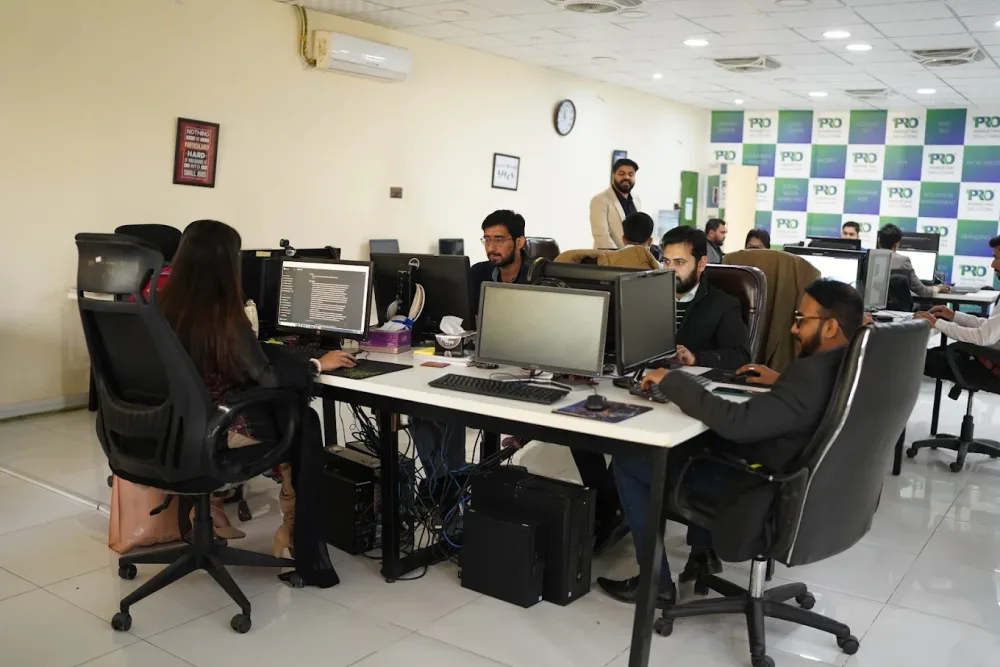 Watch our introduction
Published client experiences
Hear what working with WeProms was like, directly from our clients.
 Watch their story
Singapore · Events
 Watch their story
Client feedback
 Watch their story
New York · Wellness
Inside WeProms
Lahore, Pakistan
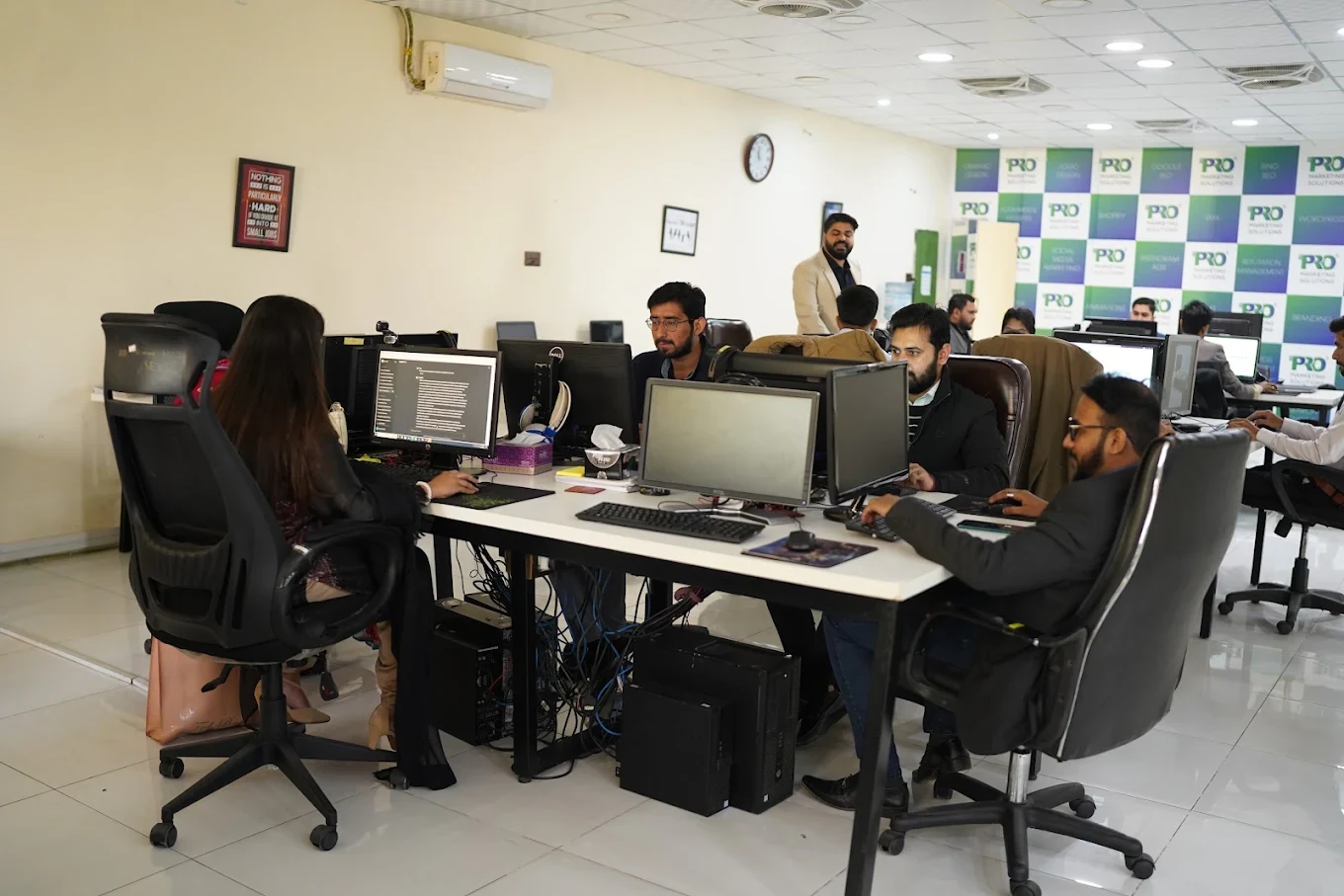
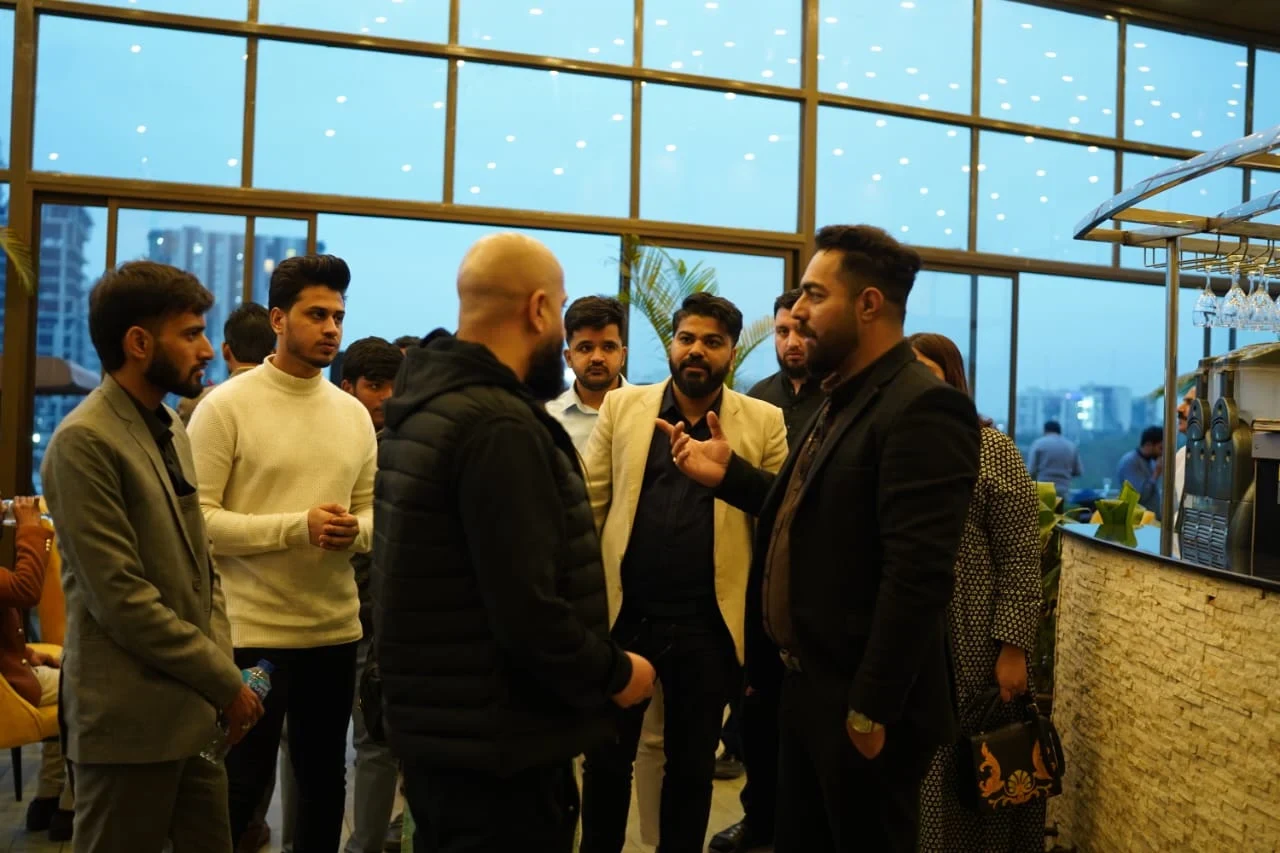
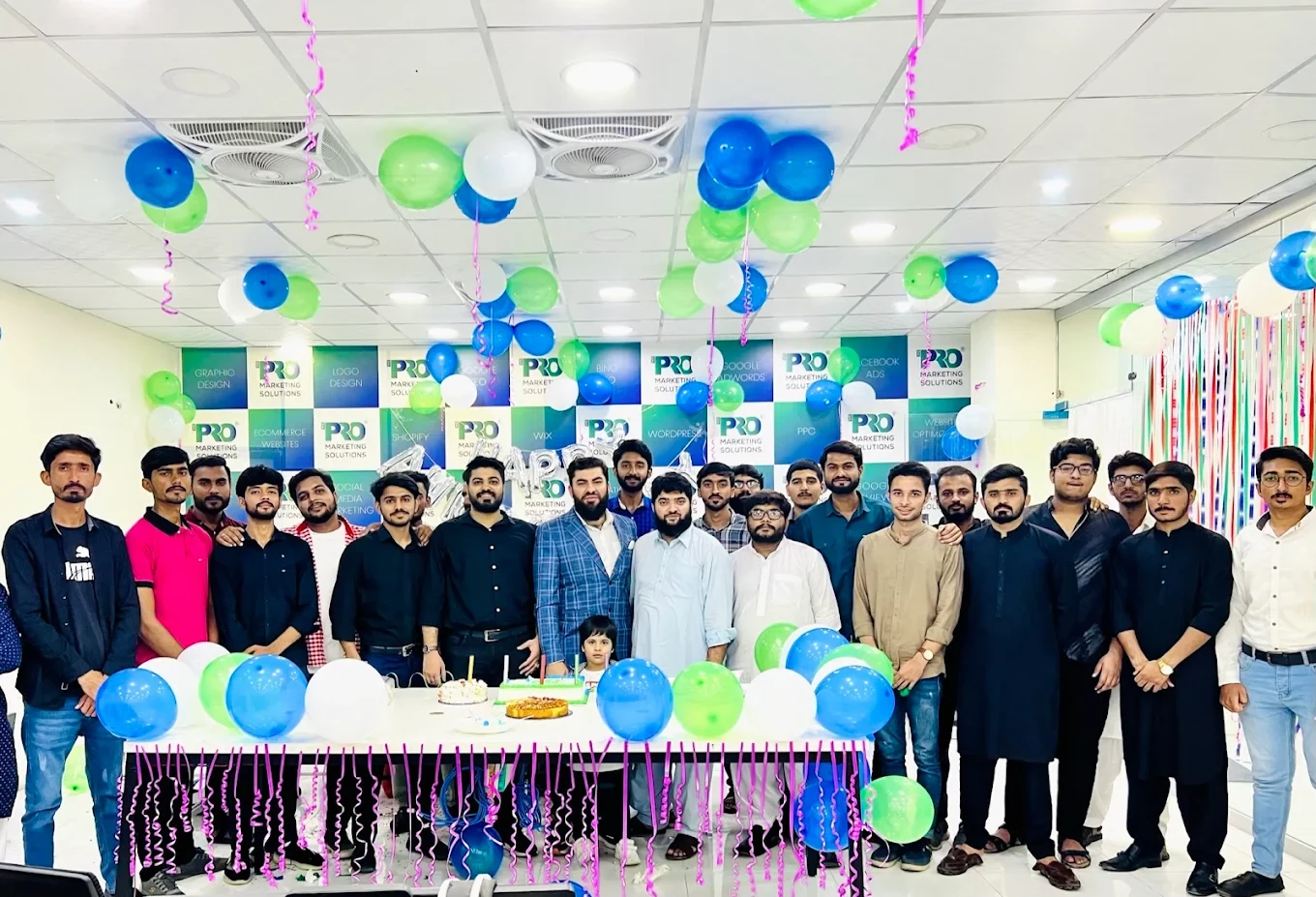
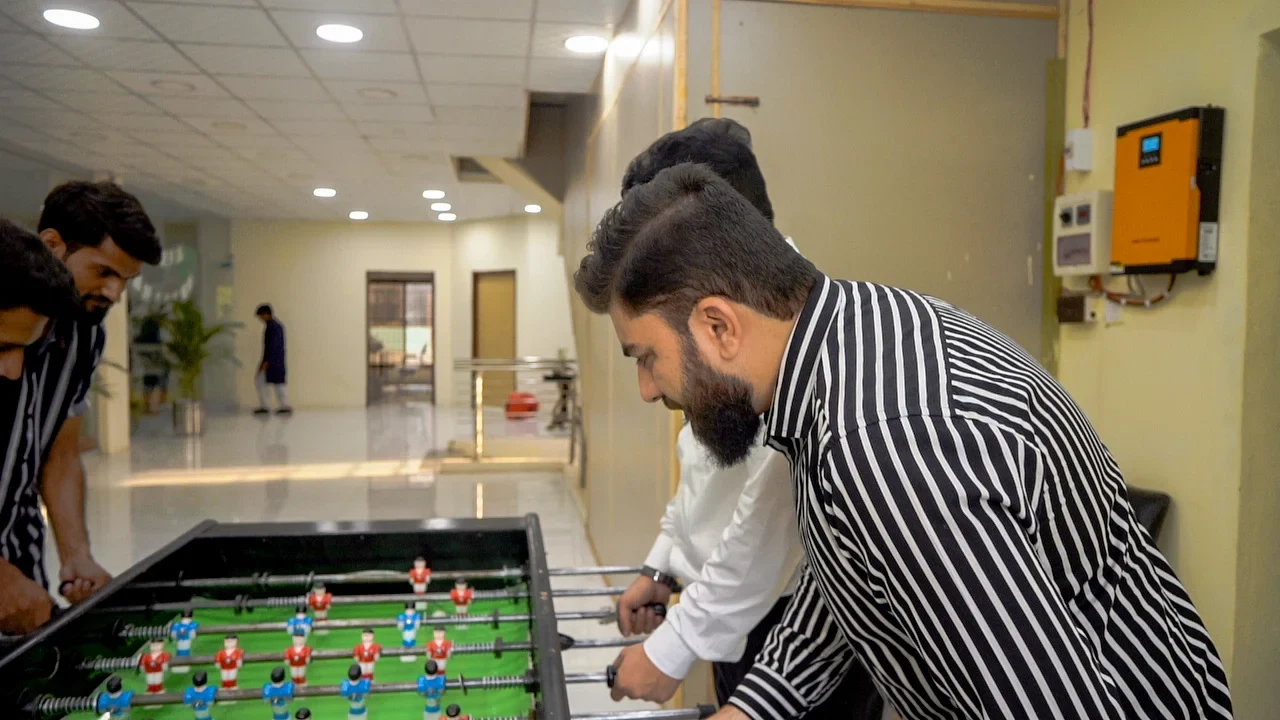
154, C1, Nespak Housing Scheme, Lahore 54770, Pakistan.
Working with a remote marketing team
You know your customers and market. Our strategists, creatives and technical specialists in Lahore help put the plan into practice. Agree the contact person, meeting times and approvals before we start.
Agree deliverables and the agency fee. Discuss ad spend and third-party tools separately.
Keep visibility and ownership. Agree access, asset licences and handover as part of the scope.
Agree a review schedule around your time zone. See what was delivered, what the numbers mean and what comes next.
Explore our Pakistan pricing guides for planning ranges and what shapes the cost. Your market, deliverables and existing setup determine the final quote; advertising spend and third-party costs are separate.
Discuss a quote for your market ↗Before the next step
A useful starting brief includes: account and spend history; approved offers and creative; lead-quality or order feedback. We can agree appropriate access after the first conversation.
Review useful outcomes alongside spend. State conversion definitions and attribution limits before making budget decisions.
We can discuss a one-off implementation, an ongoing scope or an initial build followed by support. The proposal states what is included, dependencies and the review points.
Agency work, media spend and third-party costs are identified separately. Your market, existing setup and delivery requirements determine the final scope and quote.
Share your website, target country and the next thing you want to improve. We’ll help you find a useful place to start.