Paid Media and Advertising
Google Ads Management and Optimization
Manage Google Ads with better structure, intent targeting, and conversion performance.
Explore the detailWe set up ad fraud and invalid traffic detection across Google Ads and Meta, blocking bots, click farms, and competitor clicks while recovering wasted spend.

Paid Media and Advertising
We set up ad fraud and invalid traffic detection across Google Ads and Meta, blocking bots, click farms, and competitor clicks while recovering wasted spend.
Review useful outcomes alongside spend. State conversion definitions and attribution limits before making budget decisions.
A closer look
The approach, practical steps and decisions behind the plan.
A campaign that spends its full budget every day but never seems to convert is not always a creative problem or a targeting problem. A meaningful slice of that spend is going to clicks and impressions that were never going to buy — bots scraping your pages, click farms hitting your keywords, a competitor quietly burning your budget, and accidental mobile taps on cheap display placements. Ad Fraud Detection and Invalid Traffic Mitigation is the WeProms Digital service that puts a detection and blocking layer over your paid channels, cleans the invalid sessions out of your analytics, and helps you reclaim the credits you are owed for traffic you should never have paid for. For Pakistani advertisers operating on tight PKR budgets and thin cash-on-delivery margins, every rupee lost to fake traffic is a rupee that never reaches a real customer.
Invalid traffic is not one thing, and the fix differs for each source. General invalid traffic covers the easy-to-spot automated traffic — known bots, scrapers, headless browsers, and data-centre IPs that hit your site and your ads with no human behind them. These are comparatively simple to detect and block once a tool is watching.
Sophisticated invalid traffic is the harder and more expensive category. It includes hijacked devices in botnets, residential proxy networks that route fake clicks through real-looking home IPs, and click farms where humans are paid to click ads, watch videos, or fill forms. This traffic mimics real behaviour closely enough to fool cheap filters, and it sits behind a large share of the budget drain on display, retargeting, and app-install campaigns.
Then there is the human-but-not-valuable layer: a competitor clicking your search ads to exhaust your daily budget, accidental taps on mobile display and in-app placements, and incentivized traffic from reward apps that never converts. None of these will ever buy from you, but most of them still cost you money. A proper setup classifies each source differently and applies the right response — block, exclude, cap, or refund — rather than treating them all the same.
We install four connected layers. The first is detection: a third-party tool such as CHEQ, ClickCease, Integral Ad Science, DoubleVerify, or HUMAN is wired into your Google Ads and Meta campaigns and your landing pages so every incoming visitor is inspected in real time. We pick the tool that matches your channel mix and budget rather than defaulting to one vendor.
The second is blocking. Once invalid traffic is identified, we configure automatic blocking rules for known data-centre IPs, repeat offenders, suspicious geographies, and click-farm signatures, and we tighten your placement, IP, and audience exclusions so the worst traffic never reaches your pages in the first place. Frequency capping and day-parting are layered in to limit the blast radius of anything that slips through.
The third is clean analytics. Invalid sessions are filtered out of GA4 and your server-side tracking, so the conversion data, audiences, and attribution models you optimize against stop being inflated by fake traffic. Decisions made on clean data are simply sharper, and the audiences you build stop being poisoned by bot sessions.
The fourth is recovery and monitoring. We stand up a dashboard that surfaces invalid-traffic spikes by campaign, placement, and keyword, and we run a recurring refund-recovery cycle against Google Ads invalid-click investigations and Meta IVT reporting so credits keep coming back to your account over time.
The economics of paid media in Pakistan make invalid traffic more painful than it is for better-funded Western brands. Budgets are set in PKR and watched closely, margins on cash-on-delivery ecommerce are thin, and a campaign that wastes a meaningful share of its spend on fake traffic is often a campaign that does not pay back at all. When the difference between a profitable month and a loss comes down to a few rupees per order, fake clicks are not a rounding error — they are the margin.
Pakistan is also a mobile-first market. The vast majority of paid impressions land on phones, where accidental taps on small screens, on display and in-app placements, are common and billable. Mobile-heavy verticals — local services, food delivery, mobile apps, and social commerce on Instagram and TikTok — see a higher share of low-quality engagement by default, and competitor clicking is a known problem in competitive local niches where a rival can exhaust a small daily budget in minutes. Detecting and blocking this traffic early is what keeps a campaign viable.
The problem extends beyond Google and Meta. Marketplace sponsored listings on platforms like Daraz are just as exposed to competitor clicking and listing-refresh bots, and local lead-gen niches — education, real estate, healthcare, and financial services — attract scrapers and rival campaigns that mine your keywords and burn your placement. Where you advertise across multiple surfaces, the setup needs to follow the same traffic across all of them rather than protecting one channel in isolation.
We start with a detection-window audit of your accounts, combining platform invalid-click reports with a sampling run from a detection tool to establish your real invalid-traffic share by channel. That baseline tells us where the leak is biggest and which tool is worth deploying.
From there we deploy the detection layer, configure blocking rules and exclusions, set up GA4 and server-side bot filtering, and stand up the monitoring dashboard with thresholds and alerts. The first refund-recovery cycle runs against Google and Meta, and once credits start coming back and blocking is stable, we move the engagement onto an ongoing monitor-and-block rhythm so new fraud patterns are caught as they emerge.
That rhythm matters because fraud shifts. Click farms rotate their residential IPs, botnets update their signatures, and a placement that was clean last month can turn into a drain this month. On a monitoring retainer we review the dashboard against your spend, refine blocking rules as new patterns appear, file additional refund claims each quarter, and report back on the budget recovered and the invalid-traffic share trending down over time. The goal is not a one-time cleanup but a steadily cleaner account where a larger portion of your spend reaches genuine buyers.
This service is for any Pakistani business spending meaningfully on Google Ads, Meta Ads, or programmatic display and not getting the results the spend should produce — ecommerce stores on Shopify and WooCommerce, lead-generation businesses, mobile app marketers, and agencies running paid media for clients where budget leakage directly affects margin. If your campaigns burn budget daily without converting, your retargeting pools feel full of junk, or your conversion data does not match reality, invalid traffic is a likely culprit and a setup like this is the fastest way to find out.
Related services
Paid Media and Advertising
Manage Google Ads with better structure, intent targeting, and conversion performance.
Explore the detailPaid Media and Advertising
Scale Facebook and Instagram ads with stronger creative testing and audience strategy.
Explore the detailPaid Media and Advertising
Set up segmented retargeting flows that recover lost traffic and improve return on spend.
Explore the detailA few of the brands we’ve worked with.








See where the work happens and get to know WeProms before your first conversation. Our team is based in Lahore, working with business owners abroad and at home.
Get to know WeProms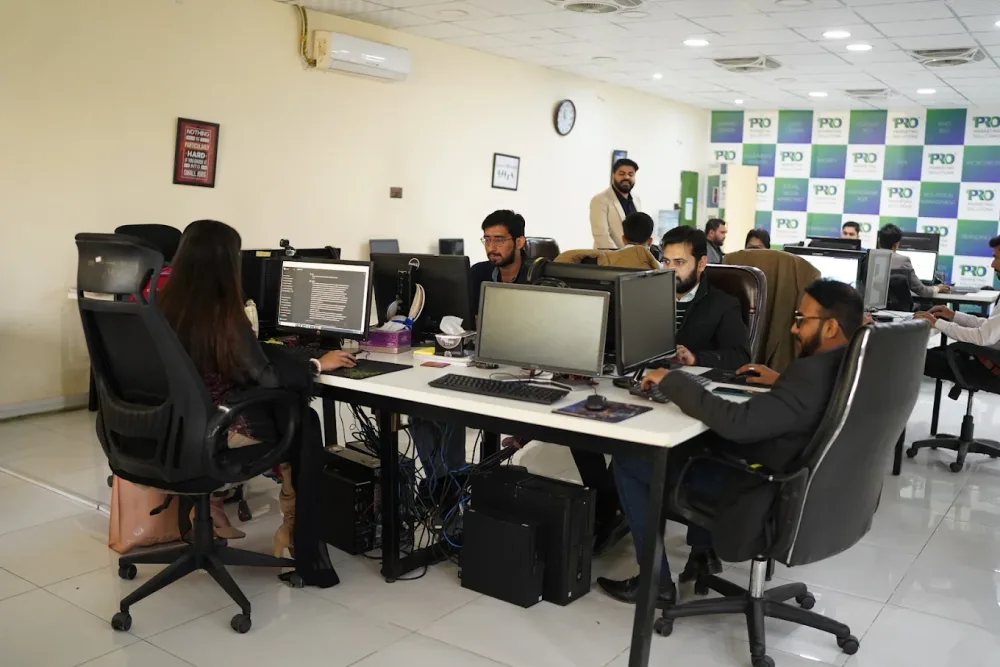 Watch our introduction
 Published client experiences
Hear what working with WeProms was like, directly from our clients.
 Watch their story
 Their business journey
 Watch their story
 Client feedback
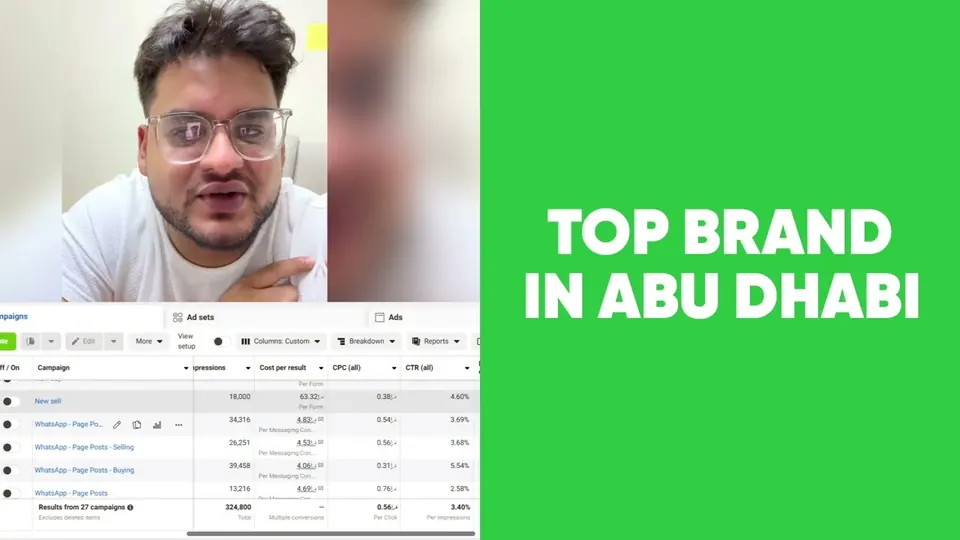 Watch their story
 Working with WeProms
Inside WeProms
Lahore, Pakistan
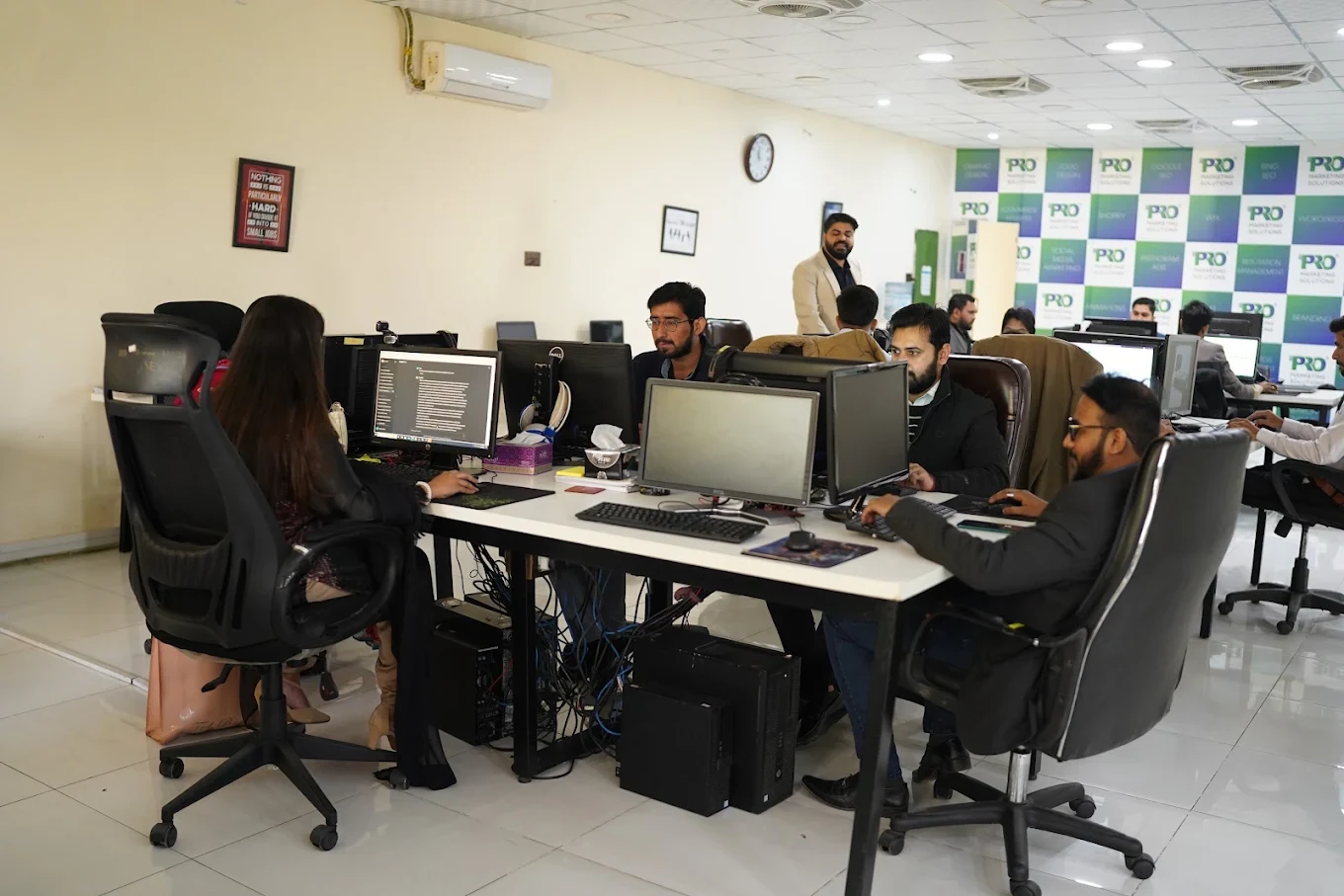

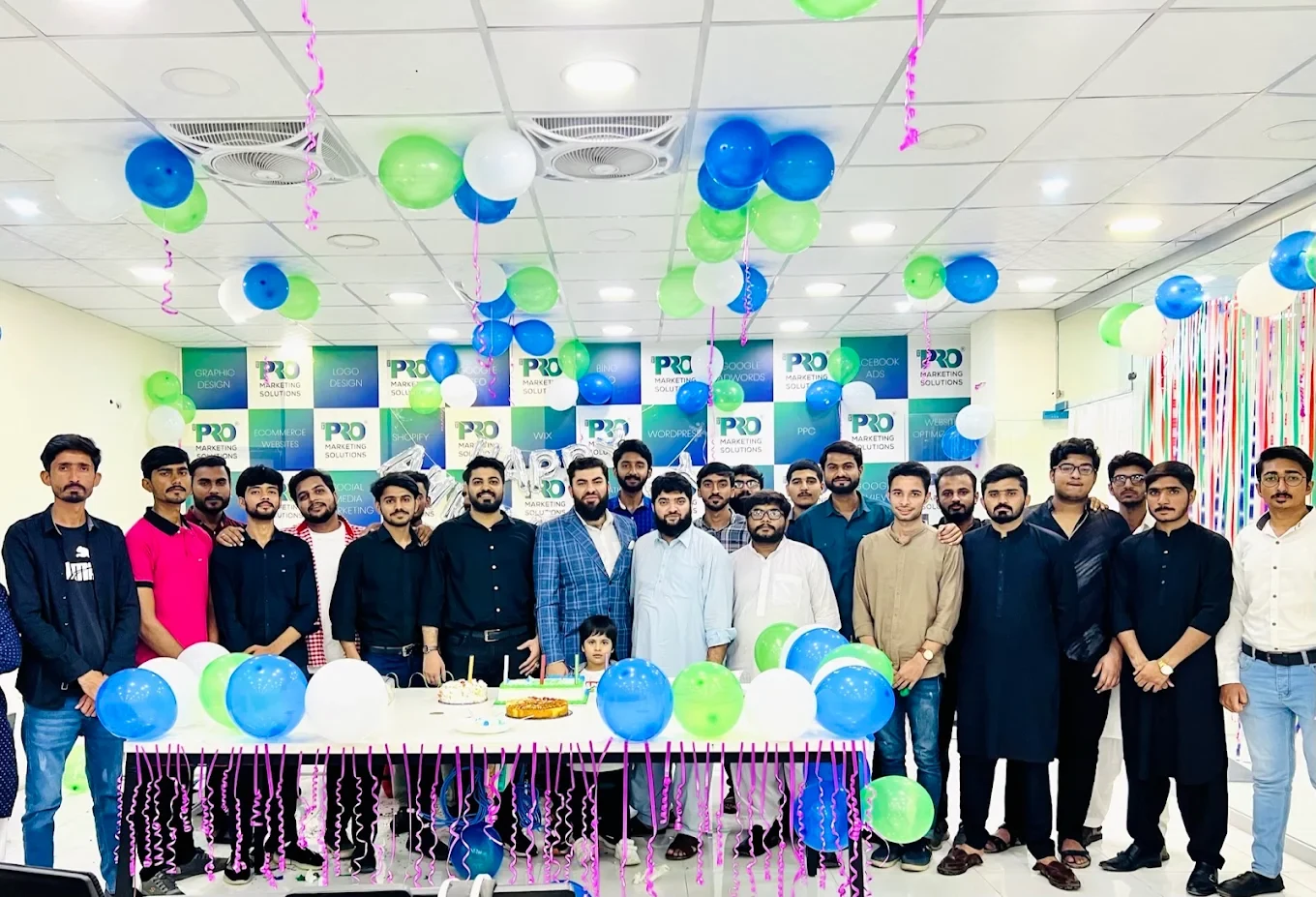
154, C1, Nespak Housing Scheme, Lahore 54770, Pakistan.
Working with a remote marketing team
You know your customers and market. Our strategists, creatives and technical specialists in Lahore help put the plan into practice. Agree the contact person, meeting times and approvals before we start.
Agree deliverables and the agency fee. Discuss ad spend and third-party tools separately.
Keep visibility and ownership. Agree access, asset licences and handover as part of the scope.
Agree a review schedule around your time zone. See what was delivered, what the numbers mean and what comes next.
Explore our Pakistan pricing guides for planning ranges and what shapes the cost. Your market, deliverables and existing setup determine the final quote; advertising spend and third-party costs are separate.
Discuss a quote for your market ↗Before the next step
A useful starting brief includes: account and spend history; approved offers and creative; lead-quality or order feedback. We can agree appropriate access after the first conversation.
Review useful outcomes alongside spend. State conversion definitions and attribution limits before making budget decisions.
We can discuss a one-off implementation, an ongoing scope or an initial build followed by support. The proposal states what is included, dependencies and the review points.
Agency work, media spend and third-party costs are identified separately. Your market, existing setup and delivery requirements determine the final scope and quote.
Share your website, target country and the next thing you want to improve. We’ll help you find a useful place to start.