Paid Media and Advertising
Programmatic and Display Advertising
DV360, display, native, and programmatic buying beyond the walled gardens, with measurement you can trust.
Explore the detailCTV and OTT advertising for high-attention brand reach across YouTube on TV, streaming, and programmatic video inventory.

Paid Media and Advertising
CTV and OTT advertising for high-attention brand reach across YouTube on TV, streaming, and programmatic video inventory.
Review useful outcomes alongside spend. State conversion definitions and attribution limits before making budget decisions.
A closer look
The approach, practical steps and decisions behind the plan.
Connected TV and OTT advertising is the fastest-growing segment of paid media globally, and Pakistan is no exception. As smart TV penetration rises, YouTube on TV viewing surges, and streaming services capture attention that once belonged to linear television, the big screen has re-emerged as a premium, high-attention advertising environment. Our Connected TV and OTT Advertising service helps Pakistani brands run disciplined, measurable campaigns across YouTube on TV, streaming services, and programmatic video inventory.
Pakistan’s streaming and connected-TV audience has expanded rapidly, with YouTube on TV now accounting for a meaningful share of total watch time in urban households, and international streaming platforms building substantial subscriber bases. Yet most Pakistani advertisers still treat video ads as mobile-first and ignore the premium attention available on the big screen. We close that gap with proper CTV strategy, frequency management, and outcome measurement.
Connected TV (CTV) refers to advertising delivered through internet-connected television screens, whether via smart TVs, streaming sticks, gaming consoles, or set-top boxes. OTT (over-the-top) is the broader category of video content delivered over the internet outside traditional linear TV. In practice, the most accessible CTV inventory for Pakistani advertisers today is YouTube on TV, supplemented by programmatic video across connected inventory and, for brands targeting diaspora or cross-border audiences, international streaming platforms.
This matters because the big screen commands attention that mobile and desktop cannot match. Completion rates on CTV are typically far higher than on mobile, and ad recall is stronger. For brand-building, product launches, and consideration-heavy categories like automotive, real estate, financial services, and consumer electronics, CTV offers a premium environment to reach decision-making audiences. And unlike traditional TV, CTV is measurable, you can track reach, frequency, completion, and view-through influence on downstream conversions.
Operationally, CTV and OTT campaigns work across three layers. First, inventory: we buy YouTube on TV inventory (which includes TV-screen impressions within YouTube campaigns), programmatic CTV through DV360 and connected exchanges, and where relevant, direct placements with streaming platforms. Second, frequency: the biggest waste in CTV is unmanaged frequency, where the same household sees an ad dozens of times with no additional lift. We apply household-level frequency caps so spend drives reach and impact instead of fatigue. Third, measurement: we instrument view-through tracking so CTV exposure gets credit for influence on later conversions, and we track completion rates as a quality signal.
A common mistake Pakistani advertisers make is running CTV campaigns on the same settings as mobile YouTube, treating all impressions as equivalent. Big-screen impressions are more valuable, and they deserve dedicated strategy, creative built for TV viewing distances, and frequency management. We operate CTV as its own discipline.
Pakistani businesses face specific CTV dynamics. The YouTube on TV audience skews urban, higher-income, and decision-making, exactly the audience that premium brands, real estate developers, automakers, banks, and consumer electronics companies want to reach. Streaming growth in Lahore, Karachi, and Islamabad means that traditional TV budgets are increasingly inefficient relative to where attention has moved.
For brands targeting the Pakistani diaspora in the Gulf, UK, and US, CTV opens a high-attention channel that mobile-only campaigns miss. And for categories where consideration cycles are long (real estate, financial products, education, automotive), CTV provides sustained brand presence at lower effective cost than traditional TV once measurement is properly attributed. The challenge has been that Pakistani advertisers often lack the in-house expertise to operate CTV properly, defaulting to mobile-style YouTube buying or skipping the channel entirely. We bridge that with proper CTV operations and measurement.
CTV exposure is rarely measured against outcomes in Pakistan, so the channel gets cut from budgets even when it is driving influence. We instrument view-through measurement so CTV gets real credit for its contribution to sales, leads, and store visits.
Default CTV buying lets the same household see an ad dozens of times, burning budget with no lift. We apply household-level frequency caps so spend drives efficient reach and impact rather than fatigue.
CTV impressions are more valuable than mobile impressions, but most advertisers treat them the same. We operate CTV as its own discipline with creative, targeting, and frequency built for the big-screen environment.
CTV and OTT fees are separate from media spend. Our engagement typically follows three models: a setup sprint (strategy, inventory plan, creative, frequency framework, measurement instrumentation), a monthly retainer for continuous optimization, and a hybrid model combining build and growth.
For ROI math, consider a Lahore real estate developer spending PKR 5 million per quarter on traditional TV with no measurable attribution. Reallocating PKR 2 million of that into YouTube on TV and programmatic CTV, with household-level frequency caps and view-through measurement, typically delivers measurable view-through influence on bookings within 60-90 days, plus far richer audience data than linear TV can provide. The management fee is recovered within the first quarter, and the channel becomes a durable, measurable component of the brand mix rather than a sunk cost.
We deliver Connected TV and OTT advertising across Pakistan, including Lahore, Karachi, Islamabad, Rawalpindi, Faisalabad, and beyond, as well as cross-border campaigns targeting Pakistani diaspora in the Gulf, UK, and US. Because CTV is platform-based, remote delivery is seamless and location never limits execution.
Our embedded-partner model means we work as an extension of your team with shared dashboards, weekly reporting, and clear next actions. Typical timelines run 30-45 days for foundational implementation (strategy, inventory mix, creative, frequency and measurement setup) and ongoing weekly cycles for optimization and scaling. Based in Lahore and working remotely with clients in the UK and UAE, we combine international CTV expertise with the cost advantage of a Pakistan-based delivery team, which is especially valuable for brands looking to access big-screen attention without enterprise-agency overhead.
Related services
Paid Media and Advertising
DV360, display, native, and programmatic buying beyond the walled gardens, with measurement you can trust.
Explore the detailPaid Media and Advertising
Plan and manage YouTube campaigns that build awareness and drive conversion-ready traffic.
Explore the detailPaid Media and Advertising
Set up segmented retargeting flows that recover lost traffic and improve return on spend.
Explore the detailA few of the brands we’ve worked with.








See where the work happens and get to know WeProms before your first conversation. Our team is based in Lahore, working with business owners abroad and at home.
Get to know WeProms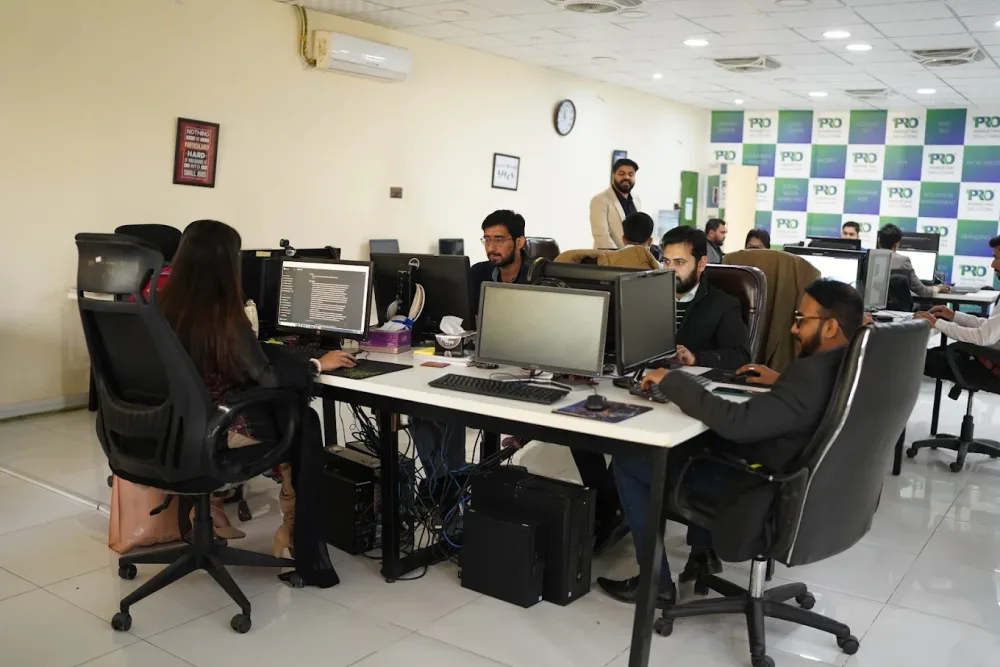 Watch our introduction
Published client experiences
Hear what working with WeProms was like, directly from our clients.
 Watch their story
Singapore · Events
 Watch their story
Client feedback
 Watch their story
New York · Wellness
Inside WeProms
Lahore, Pakistan
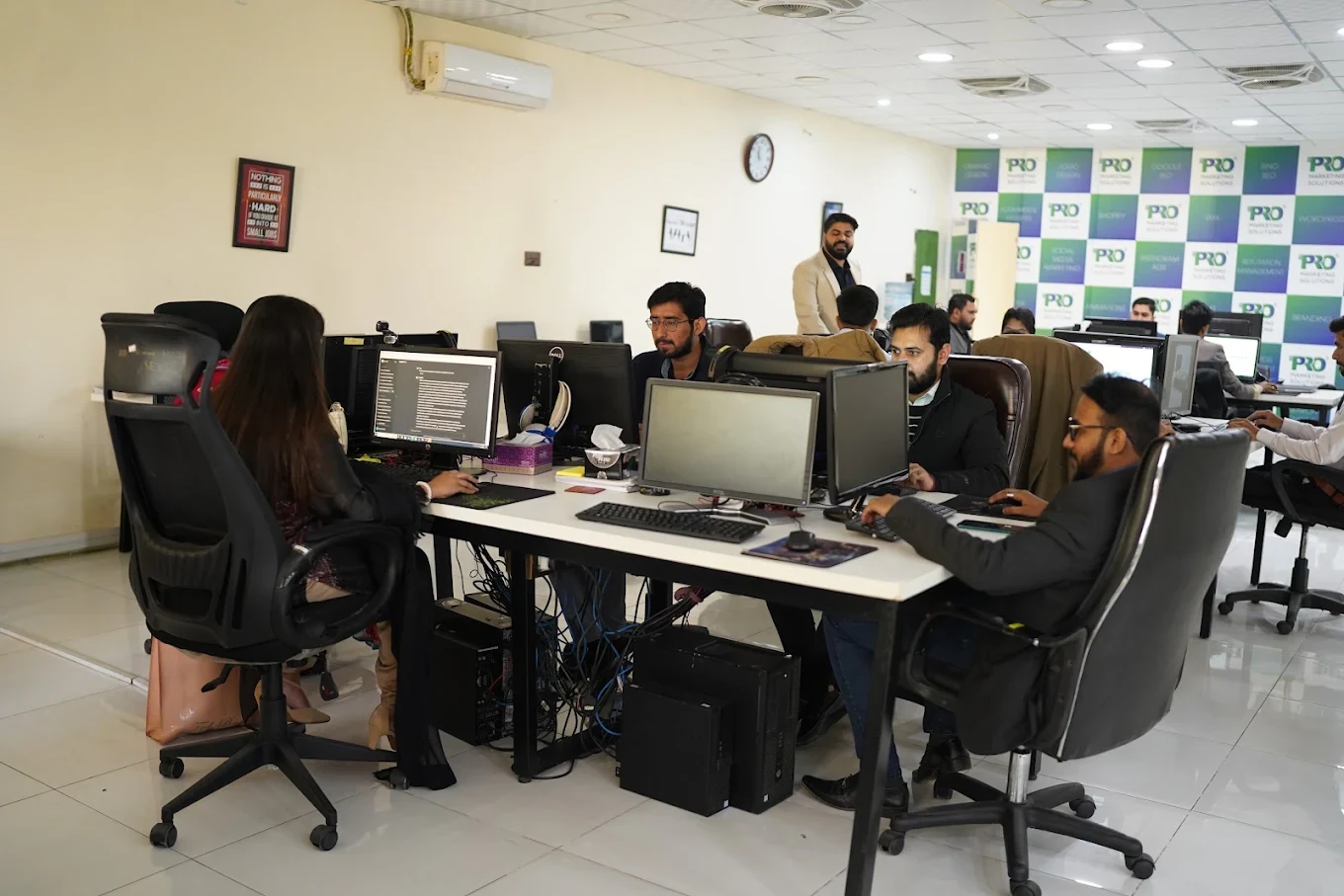
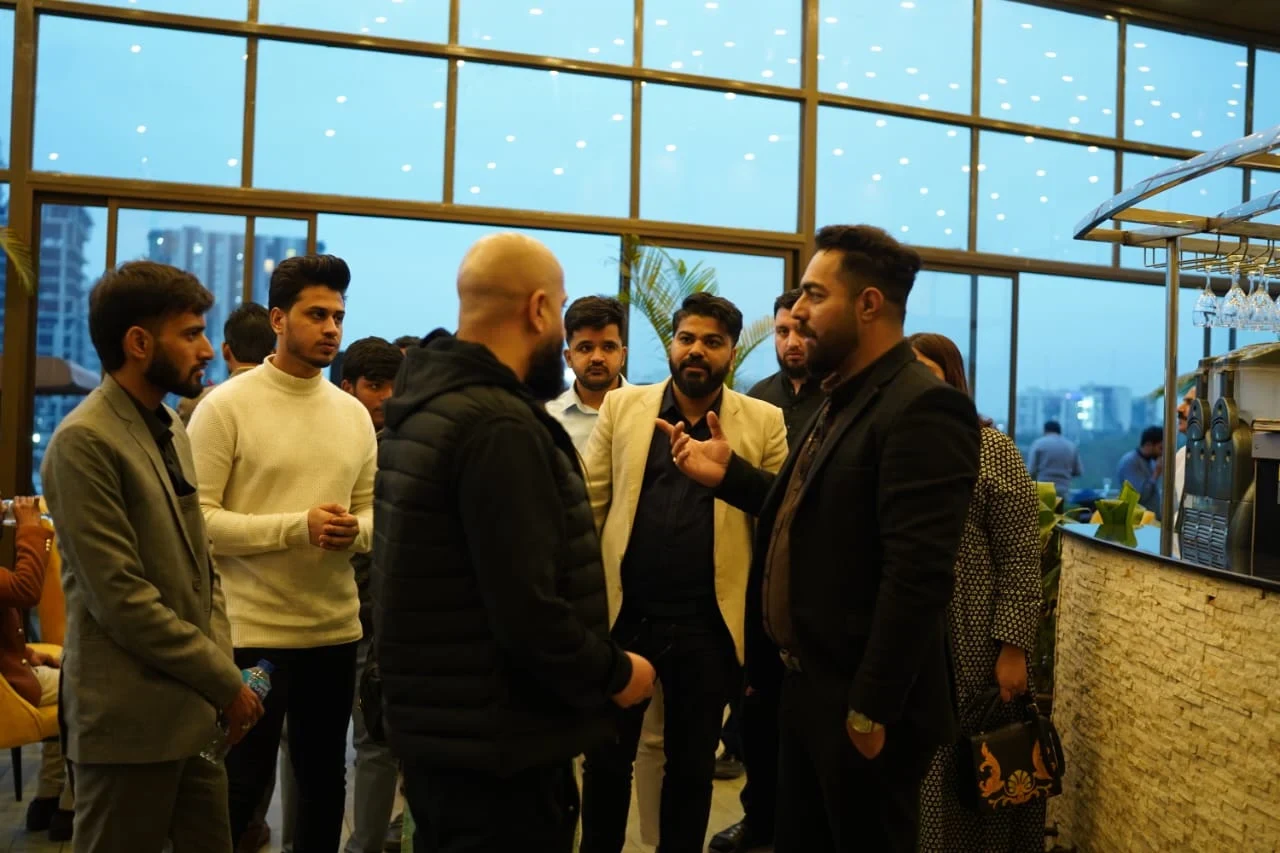
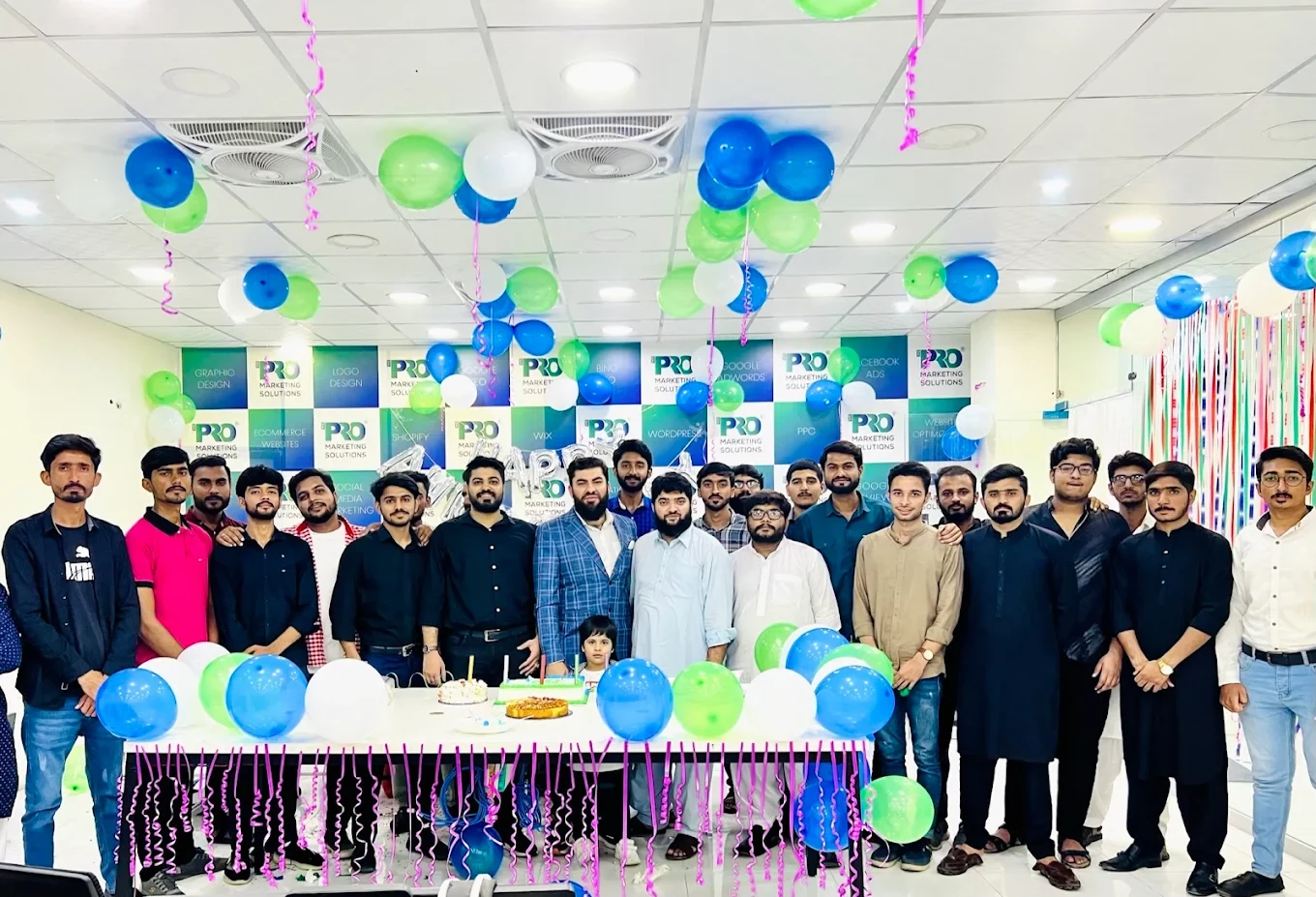
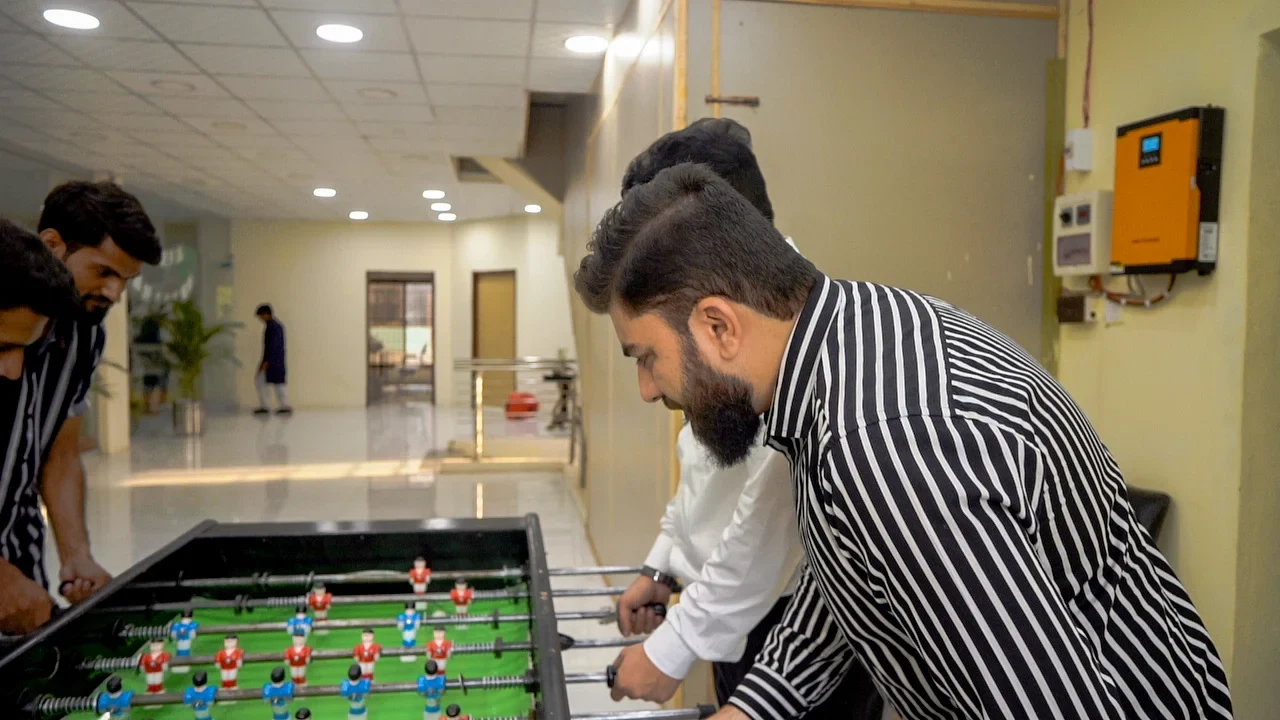
154, C1, Nespak Housing Scheme, Lahore 54770, Pakistan.
Working with a remote marketing team
You know your customers and market. Our strategists, creatives and technical specialists in Lahore help put the plan into practice. Agree the contact person, meeting times and approvals before we start.
Agree deliverables and the agency fee. Discuss ad spend and third-party tools separately.
Keep visibility and ownership. Agree access, asset licences and handover as part of the scope.
Agree a review schedule around your time zone. See what was delivered, what the numbers mean and what comes next.
Explore our Pakistan pricing guides for planning ranges and what shapes the cost. Your market, deliverables and existing setup determine the final quote; advertising spend and third-party costs are separate.
Discuss a quote for your market ↗Before the next step
A useful starting brief includes: account and spend history; approved offers and creative; lead-quality or order feedback. We can agree appropriate access after the first conversation.
Review useful outcomes alongside spend. State conversion definitions and attribution limits before making budget decisions.
We can discuss a one-off implementation, an ongoing scope or an initial build followed by support. The proposal states what is included, dependencies and the review points.
Agency work, media spend and third-party costs are identified separately. Your market, existing setup and delivery requirements determine the final scope and quote.
Share your website, target country and the next thing you want to improve. We’ll help you find a useful place to start.