

Paid Media and Advertising
PPC Account Audit and Optimization Strategy
Independent PPC account audit diagnosing wasted spend, broken tracking, and bidding problems, delivered as a prioritized optimization roadmap.
Explore the detailWe reconcile your Google, Meta, and Amazon Ads invoices against what the platforms can evidence actually delivering, quantify discrepancies and hidden fees, and prepare the dispute files needed to claim credits or refunds.

Paid Media and Advertising
Independent audit of Google, Meta, and Amazon Ads invoices that reconciles billed amounts against delivered activity, flags hidden surcharges and duplicate charges, and packages the evidence needed for recovery claims.
Review useful outcomes alongside spend. State conversion definitions and attribution limits before making budget decisions.
A closer look
The approach, practical steps and decisions behind the plan.
Most Pakistani advertisers pay their ad bills without ever checking them. The platform says you spent a certain amount, the card gets charged, and finance records the difference as bank charges. That habit made sense when invoices were simple. It does not anymore. Ad auctions now carry reserve prices, surcharges, minimum-bid adjustments, and layered fees that are rarely visible at the campaign level, and regulators in major markets are actively investigating how some of these charges were applied. WeProms Digital set up this service because the question has shifted from “are our ads performing” to “did we actually owe this money,” and almost nobody in-house has the time to answer it.
This service is built for finance teams and business owners who fund Google, Meta, and Amazon Ads accounts from Pakistan, usually billed in USD against PKR budgets, with margins thin enough that a few percent of silent overbilling matters.
There is a structural reason ad billing errors survive: no single person owns the invoice. Marketing sees platform-reported spend. Finance sees card debits and bank FX rates. Nobody sits between the two with a mandate to reconcile them line by line. Every discrepancy category lives in that gap.
The gap is wider in Pakistan than in most markets. Your Google and Meta accounts bill in US dollars, your bank converts at its own rate plus a margin, and card fees sit on top. A budget approved in PKR can drift several percent before a single auction surcharge or duplicate charge is even counted. For an ecommerce brand spending heavily before BFCM or a B2B firm running always-on lead gen, that drift compounds monthly, and it is invisible in every standard report because the reports are produced by the same platform doing the billing.
Regulatory scrutiny has made the trust problem explicit. When a major ad platform faces a public lawsuit alleging that undisclosed auction surcharges extracted billions from advertisers, the reasonable response is not panic, it is verification. An audit either confirms your invoices are clean, which is worth knowing, or it documents what is not, while you still have a window to dispute it.
The audit works through five discrepancy categories, and most accounts we see carry at least two of them.
Invoice-to-console mismatches come first. We pull the full billing history from each platform and match every invoice line against campaign-level spend, adjustment, credit, and refund records. Time-zone cutoffs, mid-cycle budget changes, and partial-month reallocations explain some differences. The rest get flagged.
Fees and surcharges come second. We compare what you were charged against the buying terms you actually agreed to, including agency or reseller markups if a third party funds your account. Auction surcharges, minimum-bid adjustments, and unexplained “platform fee” lines are documented against those terms.
Delivery verification comes third. Billed impressions and clicks are checked against platform delivery logs, filtered-traffic reports, and viewability data. Ads that never rendered, served outside intended placements, or billed to automated traffic are quantified separately from performance issues, because they are a billing question, not an optimization one.
Duplicates and adjustments come fourth. Double-billed events, repeated campaign charges, and reversal lines that never actually reversed are exactly the kind of low-visibility error that survives for months in high-volume accounts.
Currency and funding costs come fifth, and for Pakistani advertisers this is often the largest category. We compare the platform’s stated USD amounts against what actually left your bank account in PKR, separating legitimate interbank rates and card fees from opaque markups, so finance can see precisely how much of the gap is recoverable and how much is simply the cost of funding USD accounts.
We start with a scoping call to establish account inventory, spend volume, and how far back the records go. Then we collect three evidence sets: platform billing and delivery exports pulled from read-only account access, invoice PDFs or billing accounts, and the bank and card statements used to fund each account.
Everything lands in one reconciliation model, built per platform and per billing period. Each line is classified as matched, explained, or disputed, and every disputed line carries its own evidence trail: the invoice line, the delivery log that contradicts it, and the buying term or published policy it appears to violate. You get a discrepancy register that ranks findings by dollar value and dispute strength, not a vague slide deck.
A realistic audit window is two to four weeks depending on how many platforms and months are in scope and how organized the source records are. If your invoices live only in a finance inbox, expect the collection phase to take longer than the analysis.
Findings only matter if something happens to them. For every disputed line that clears our evidence threshold, we prepare a dispute dossier and file the claim through the platform’s billing support process, then manage the correspondence until the case closes. Some claims resolve as credits on future spend, some as refunds, and some are rejected; we report outcomes honestly and rank the next wave of claims rather than letting the process stall.
We are equally direct about limits. Platforms adjudicate their own disputes, and no agency can guarantee a recovery. What we guarantee is that recoverable money is identified while the dispute window is open, evidenced to the standard support teams actually accept, and pursued to a documented conclusion instead of being abandoned because nobody had the bandwidth.
A one-time audit cleans history; controls keep it clean. At the end of every engagement we set up a lightweight monthly reconciliation so new discrepancies surface within weeks, not years: scheduled billing exports, a spend report finance can tie to the bank statement, funding-cost tracking for USD accounts, and alert thresholds for adjustment lines above a set value. For advertisers on a quarterly retainer, this runs continuously and each quarter’s reconciliation builds on the last.
The result is that the number marketing reports and the number finance pays stop being two different numbers. That single change makes budgeting, forecasting, and agency accountability easier across everything else you spend on media.
This service fits Pakistani businesses and finance teams spending at least a few million PKR per year on Google, Meta, or Amazon Ads, especially those billing in USD, running ecommerce or lead generation at volume, or working through resellers and agencies whose funding markups have never been independently checked. If your ad spend is small and simple, a lighter review is enough. If it is large, layered, or long-running, an unverified invoice history is an unpriced liability.
Related services
Paid Media and Advertising
Independent PPC account audit diagnosing wasted spend, broken tracking, and bidding problems, delivered as a prioritized optimization roadmap.
Explore the detailPaid Media and Advertising
We set up ad fraud and invalid traffic detection across Google Ads and Meta, blocking bots, click farms, and competitor clicks while recovering wasted spend.
Explore the detailAnalytics and Attribution
Build a triangulated measurement system that reconciles platform, attribution, MMM, and incrementality numbers into one trusted decision framework.
Explore the detailA few of the brands we’ve worked with.








See where the work happens and get to know WeProms before your first conversation. Our team is based in Lahore, working with business owners abroad and at home.
Get to know WeProms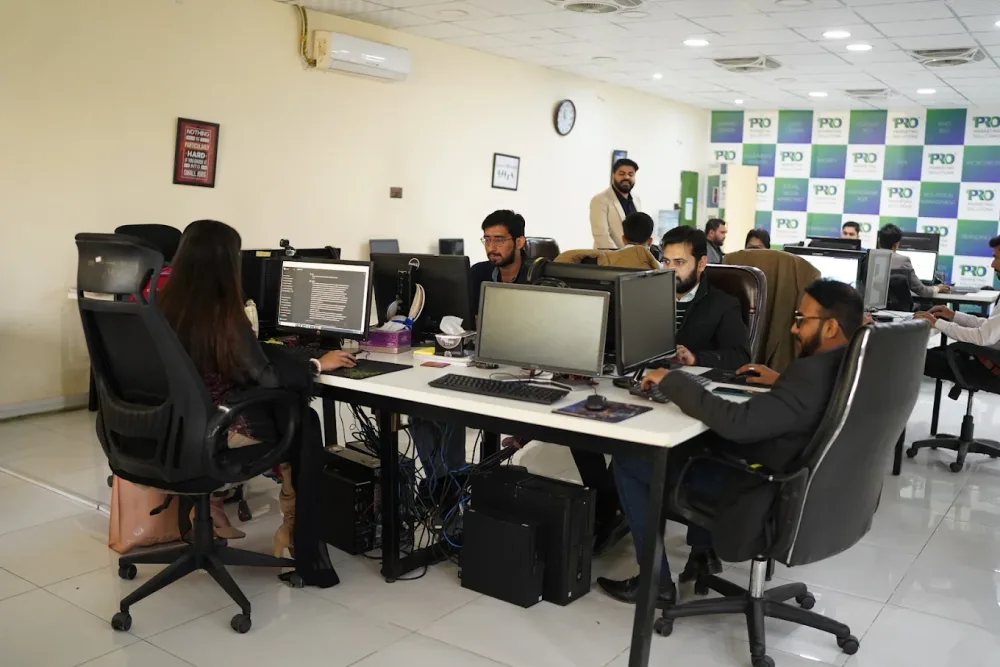 Watch our introduction
 Published client experiences
Hear what working with WeProms was like, directly from our clients.
 Watch their story
 Singapore · Events
 Watch their story
 Client feedback
 Watch their story
 New York · Wellness
Inside WeProms
Lahore, Pakistan
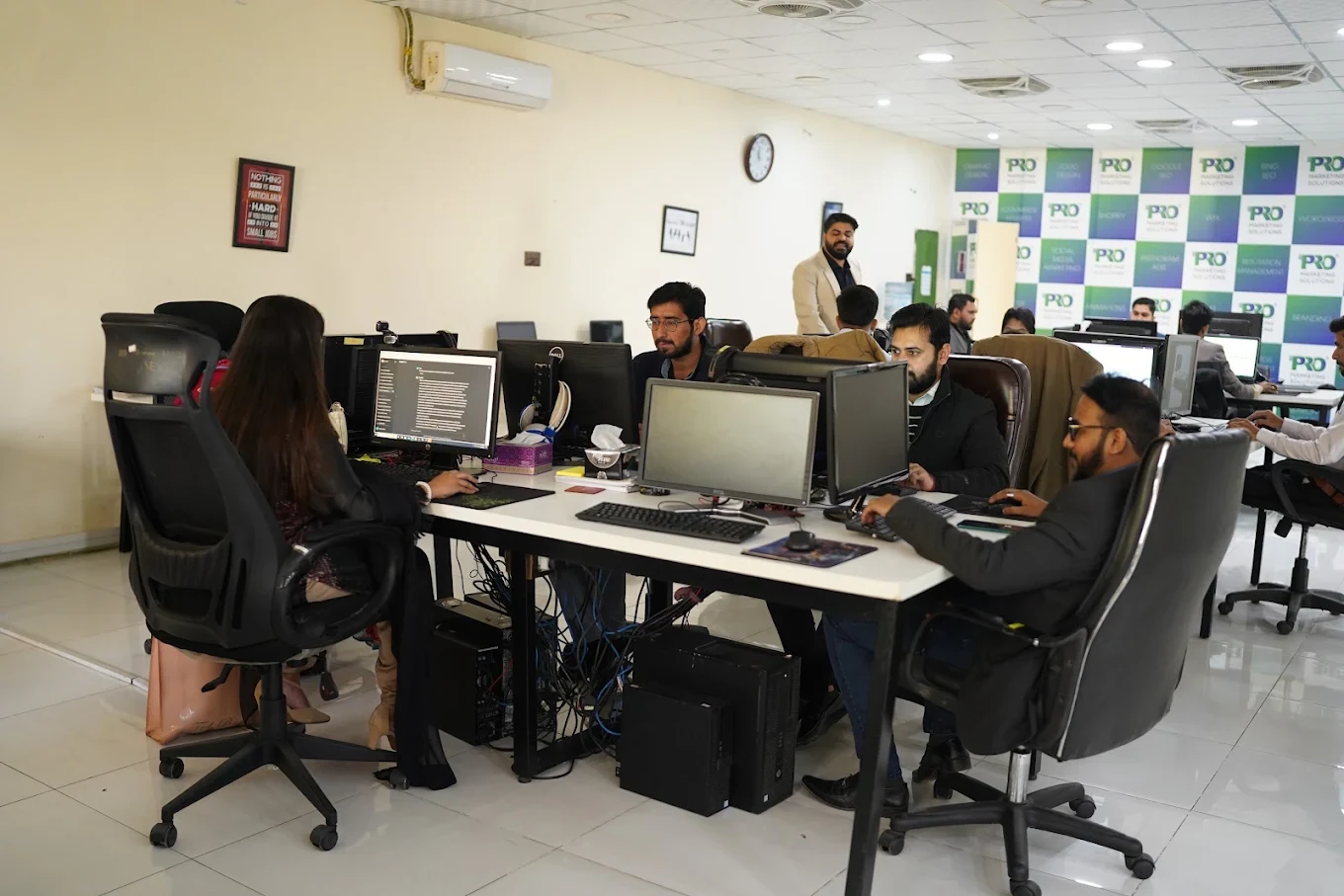
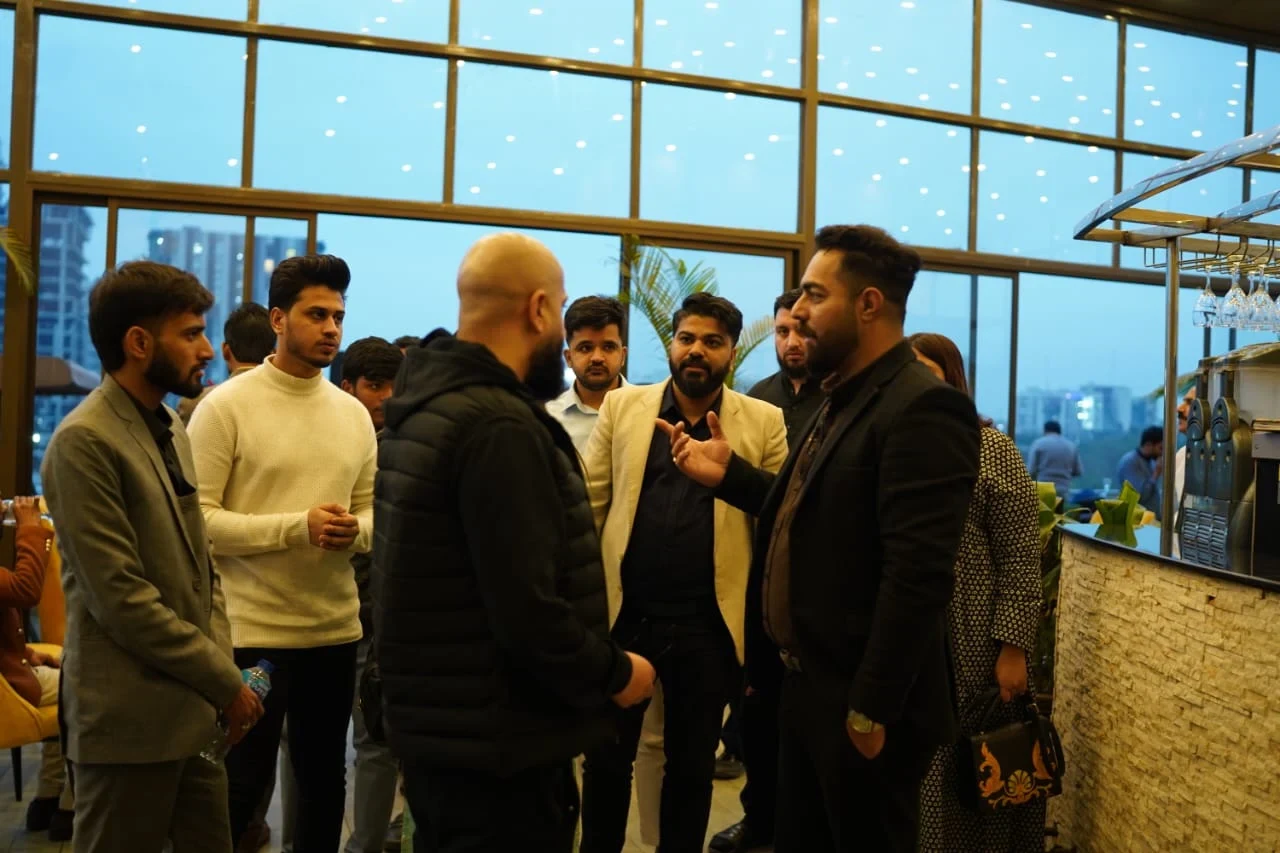
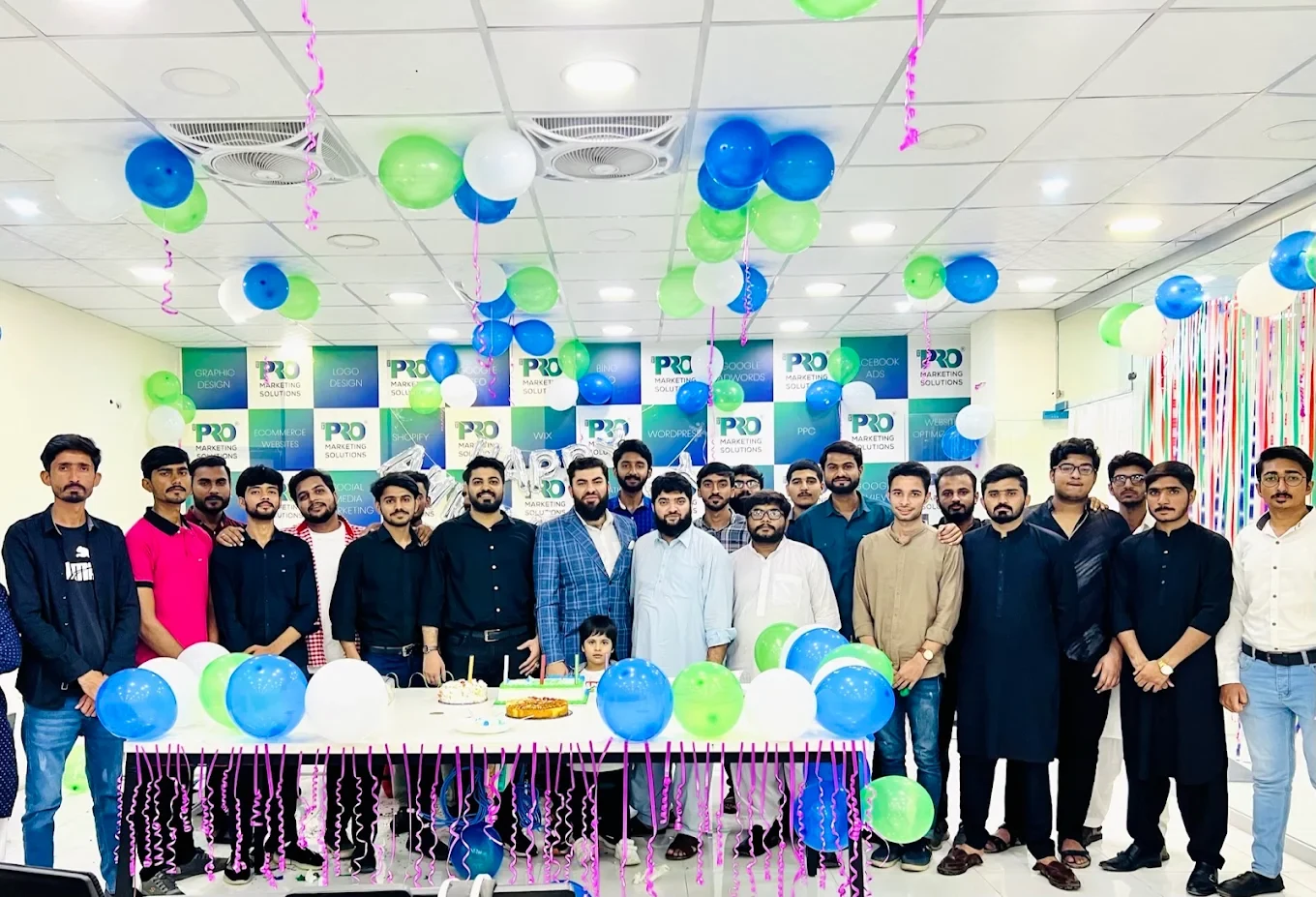

154, C1, Nespak Housing Scheme, Lahore 54770, Pakistan.
Working with a remote marketing team
You know your customers and market. Our strategists, creatives and technical specialists in Lahore help put the plan into practice. Agree the contact person, meeting times and approvals before we start.
Agree deliverables and the agency fee. Discuss ad spend and third-party tools separately.
Keep visibility and ownership. Agree access, asset licences and handover as part of the scope.
Agree a review schedule around your time zone. See what was delivered, what the numbers mean and what comes next.
Before the next step
A useful starting brief includes: account and spend history; approved offers and creative; lead-quality or order feedback. We can agree appropriate access after the first conversation.
Review useful outcomes alongside spend. State conversion definitions and attribution limits before making budget decisions.
We can discuss a one-off implementation, an ongoing scope or an initial build followed by support. The proposal states what is included, dependencies and the review points.
Agency work, media spend and third-party costs are identified separately. Your market, existing setup and delivery requirements determine the final scope and quote.
Share your website, target country and the next thing you want to improve. We’ll help you find a useful place to start.