By Abdul Rehman, WeProms Digital · August 30, 2026 · Last updated: August 2026
A working Pakistani online store — platform, payments, delivery, and a first advertising budget — realistically launches for PKR 100,000 to 250,000 in month one, with ongoing platform costs between PKR 0 and about PKR 7,000 monthly before ad spend. This walkthrough traces where each rupee goes, in the order you spend it, so nothing on the launch list surprises you later.
Picture a Karachi boutique that has been selling lawn suits through Instagram DMs for two years. Orders arrive, but everything lives in the owner’s chat history: no product catalog, no order tracking, no way to run ads to a proper checkout. Moving from DMs to a real online store sounds expensive, and most owners delay it for exactly that reason. In practice, the honest 2026 numbers are smaller than the fear. Here is the full sequence, step by step, with what each step costs and where money gets wasted.
First, decide where your store actually lives
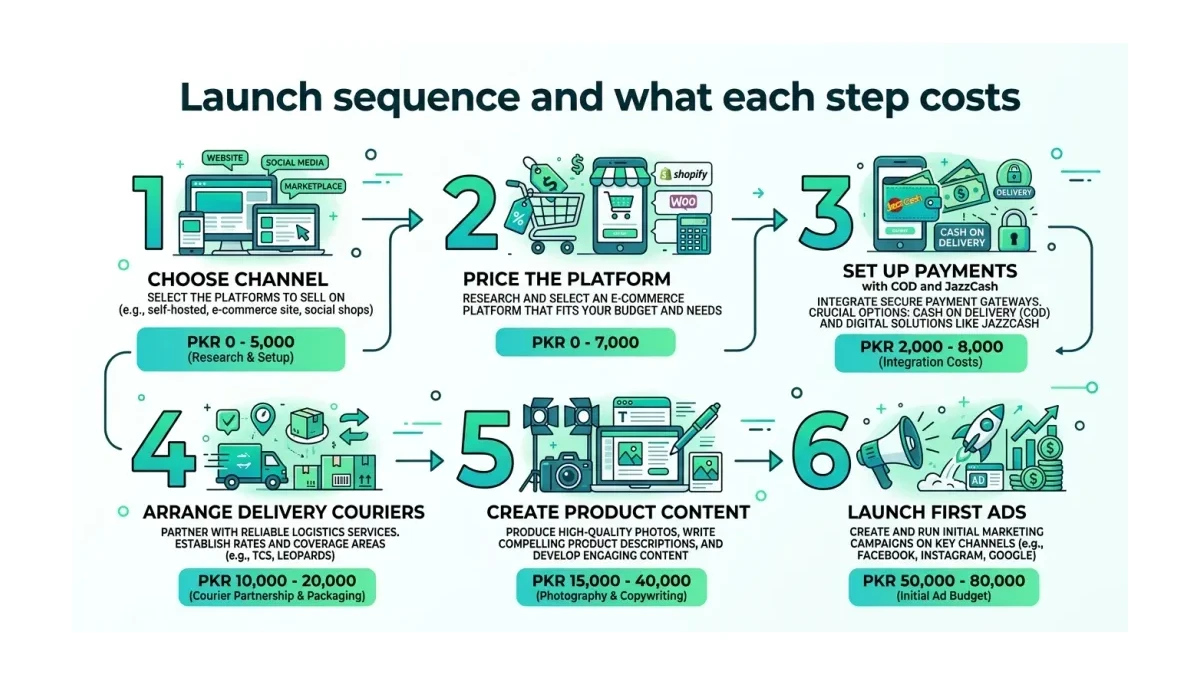
Start here. Every cost that follows depends on this one decision, and in Pakistan the realistic choices are three: a marketplace like Daraz, your own website on Shopify or WooCommerce, or a chat-first setup built around WhatsApp with a simple order form. TikTok Shop, despite the buzz, is not an option yet — Pakistan is absent from the 24-market list where TikTok’s Seller Centre operates, per DPL Company’s August 13, 2026 tracker, and Markaz confirmed on August 14, 2026 that Pakistani sellers cannot register locally or use in-app checkout. Pakistani brands on TikTok currently route buyers to WhatsApp or an external store instead, which our TikTok Shop Pakistan guide covers in detail.
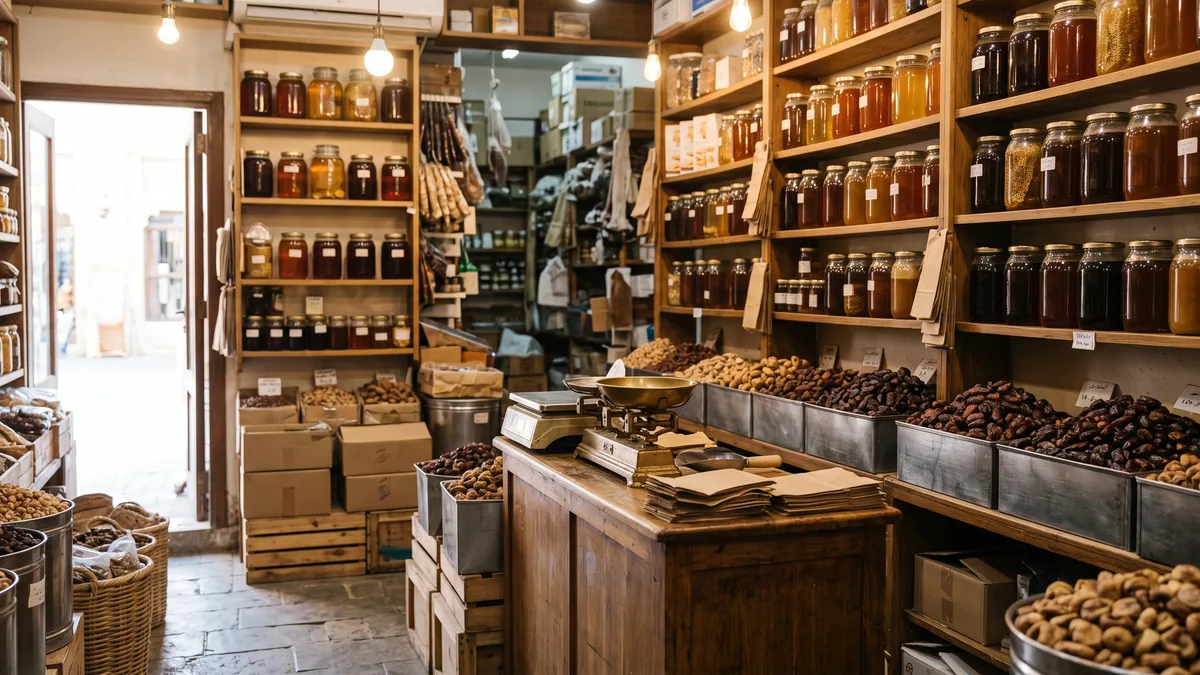
The comparison that matters is between renting visibility and owning it. Daraz works like a stall inside Emporium Mall: the footfall arrives without effort, but you pay commission on every sale, follow the mall’s rules, and compete with the shop beside you on price. Your own Shopify store is the shop on Main Boulevard, Gulberg — quieter at first, fully yours, and every rupee you invest in brand compounds on land you own. The tradeoff is who brings the customers: marketplaces bring strangers; your own store expects you to drive traffic.
Then, price the platform before you commit
With the location decided, the platform cost is the first hard number on the spreadsheet. Daraz charges nothing to register and no monthly subscription; sellers instead lose a share of every order to category commission, a payment fee on the collected amount, shipping or fulfilment charges, and the double shipping cost when a cash-on-delivery order is refused. Shopify bills in US dollars, converted by your card issuer: the Basic plan runs USD 39 a month — roughly PKR 10,800 at the PKR 278-per-dollar rate reported in August 2026 — dropping to about USD 29 monthly (near PKR 8,060) if paid annually, with the Grow tier at USD 105 (about PKR 29,200) for larger catalogs, per Shopify’s published pricing.
| Cost line | Daraz | Shopify (Basic) | WhatsApp-first |
|---|---|---|---|
| Monthly platform fee | PKR 0 | ~PKR 10,800 | PKR 0 |
| Per-order commission | Yes, varies by category | None — flat fee instead | None |
| Payment handling | Built in, including COD | Third-party gateway + ~2% Shopify fee | Manual COD and wallet transfers |
| Who brings traffic | The marketplace | You do | You do |
| Brand control | Limited | Full | Medium |
One Pakistan-specific trap hides in the payments row: Shopify Payments is not available in Pakistan, which means a payment gateway — the service that actually collects card and wallet payments for you — must be added separately, and Shopify charges around 2% on Basic-plan sales processed through external gateways, on top of the gateway’s own processing fee. Budget for both percentages before assuming the sticker price is the whole price. For a fuller platform-by-platform comparison, our earlier Shopify versus Daraz breakdown goes deeper on margins.
Next, set up payments people actually use
Payments decide whether browsers become buyers, and Pakistan is a cash-first market: industry estimates place COD — cash on delivery, where the customer pays the courier at the door — at somewhere between 60% and 95% of orders depending on category, per Connected Pakistan’s August 2026 seller guide. Offer COD from day one, because refusing it in this market quietly deletes most of your demand. But also offer the digital rails: JazzCash and Easypaisa wallets for the mobile-first majority, and Raast — the State Bank of Pakistan’s instant, low-cost payment rail — which the government’s ecommerce policy framework is actively pushing to reduce COD dependence, as NextGen reported on August 12, 2026.
Plan the COD cost, not just the option. Every refused parcel ships twice, and the seller typically eats both legs; at scale that becomes a silent tax on the whole operation. A practical structure: require a small advance via wallet for high-value items, confirm orders by WhatsApp before dispatch, and keep your return rate visible weekly. The goal is not eliminating COD — that is years away for Pakistan — but making it survivable while digital payments grow underneath it.
After that, solve delivery before your first order
Delivery is where new sellers discover their real unit economics. The national couriers — TCS, Leopards Courier, and the COD-focused newer players like PostEx — differ on rates, coverage, and how quickly they settle collected cash back to you, which directly affects cash flow for a small operation. Getting set up is usually free; the cost arrives per parcel, so model it per order rather than per month.
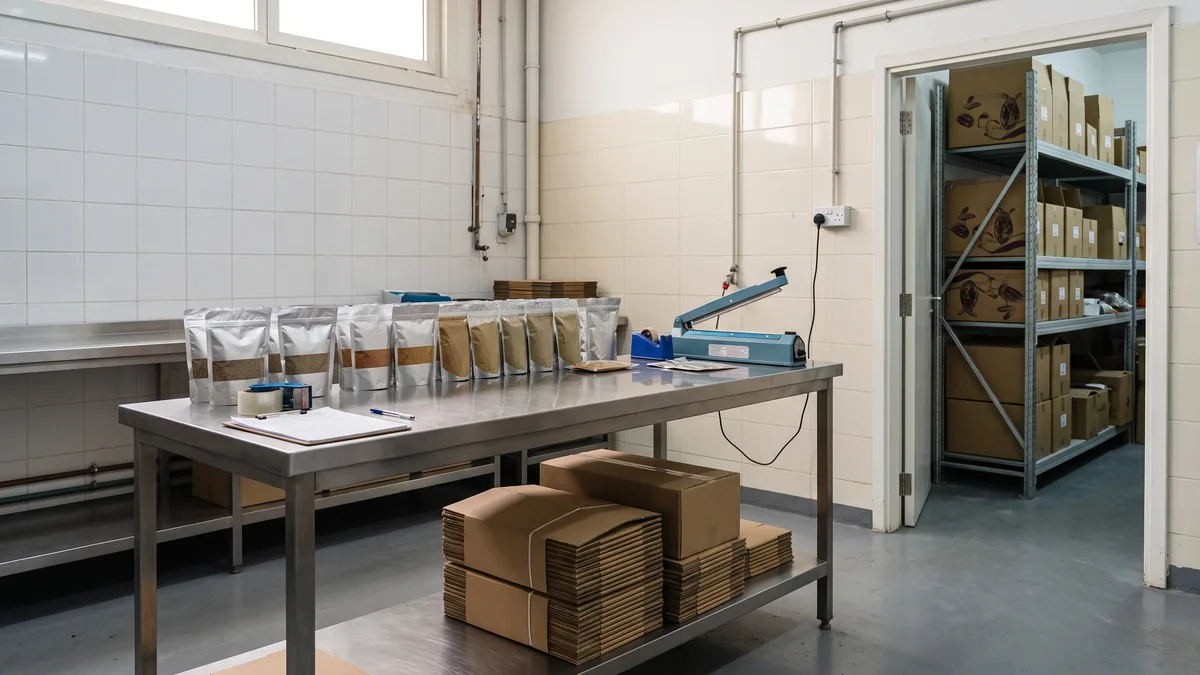
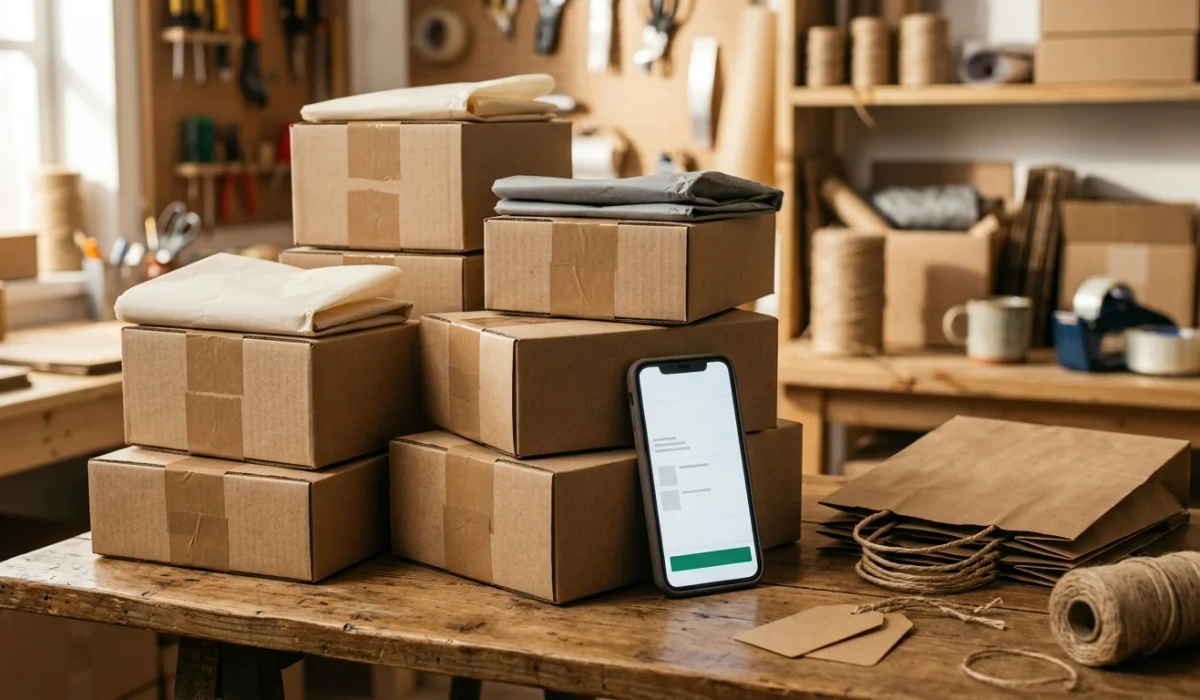
Build a small buffer for packaging too. Branded boxes, tape, and thank-you inserts for a launch batch typically run PKR 10,000 to 20,000, and they matter more than most owners expect: the unboxing is the first physical proof of whether the brand is serious. Cheap packaging on a premium product reads as a mismatch, and returns follow.
At this point, budget for photos, content, and creators
Products do not sell as descriptions; they sell as pictures. A launch shoot for a small catalog — twenty to forty product images plus a handful of short vertical videos for ads — typically costs PKR 15,000 to 40,000 from a competent Lahore or Karachi freelancer. Treat this as an investment with a shelf life, not a one-time expense, because ad platforms consume creative quickly.
The creator economy is the second lever, and American brand BK Beauty — an early TikTok Shop merchant — quantifies what it costs when you scale: co-founder Paul Jauregui told Practical Ecommerce in August 2026 that the brand now sends roughly 1,000 product samples a month to creators, up from about 200, and that a mid-tier “L3” creator generates around $25,000 in monthly sales across the brands they promote. The brand today attributes about 50% of revenue to its own site and about 20% to TikTok Shop, with a 50%-off one-day placement once moving 20,000 units in 24 hours.
“Without investing in GMV Max, our customer acquisition would likely go nowhere. But the fees rack up.” — Paul Jauregui, co-founder of BK Beauty, to Practical Ecommerce
GMV Max — TikTok’s automated ad product that buys sales rather than clicks — plus sampling and commissions is why social commerce stops being free once it gets serious. Which means the lesson for a Pakistani seller is timing: start with gifted samples to micro-creators in your niche, and only scale into paid creator budgets once your unit economics survive COD returns.
Once you’re live, spend your first ad rupees carefully
With the store, payments, delivery, and content in place, advertising is the final cost line — and the easiest one to waste. A sensible first-month test budget in Pakistan is PKR 50,000 to 80,000 across Meta and Google, split between retargeting store visitors and one cold-audience test, with cost per sale tracked from day one. Costs have climbed this year, so go in with current expectations rather than 2024 ones: Meta’s worldwide average price per ad rose 12% year over year in Q2 2026, and our walkthrough of why Facebook ads are getting more expensive in Pakistan explains the local mechanics. Equally important is what happens after the click — leaky funnels quietly consume small budgets, which is a pattern documented in where Pakistani ad budgets quietly leak after the click.
A practical rule for the first month: spend no more than 30% of the budget on audiences who have never heard of you, and put the rest behind people who visited, messaged, or added to cart. Small budgets convert best on warm traffic.
The outcome: a realistic month-one budget
Add the lines together and the picture is manageable. For a typical small catalog launching in 2026: platform PKR 0 to 11,000; domain and basics near PKR 3,000 a year; photography and content PKR 15,000 to 40,000; packaging PKR 10,000 to 20,000; and a first advertising push of PKR 50,000 to 80,000. Month one lands between roughly PKR 80,000 and 150,000 all-in, and month two onwards runs far cheaper once the launch costs clear.
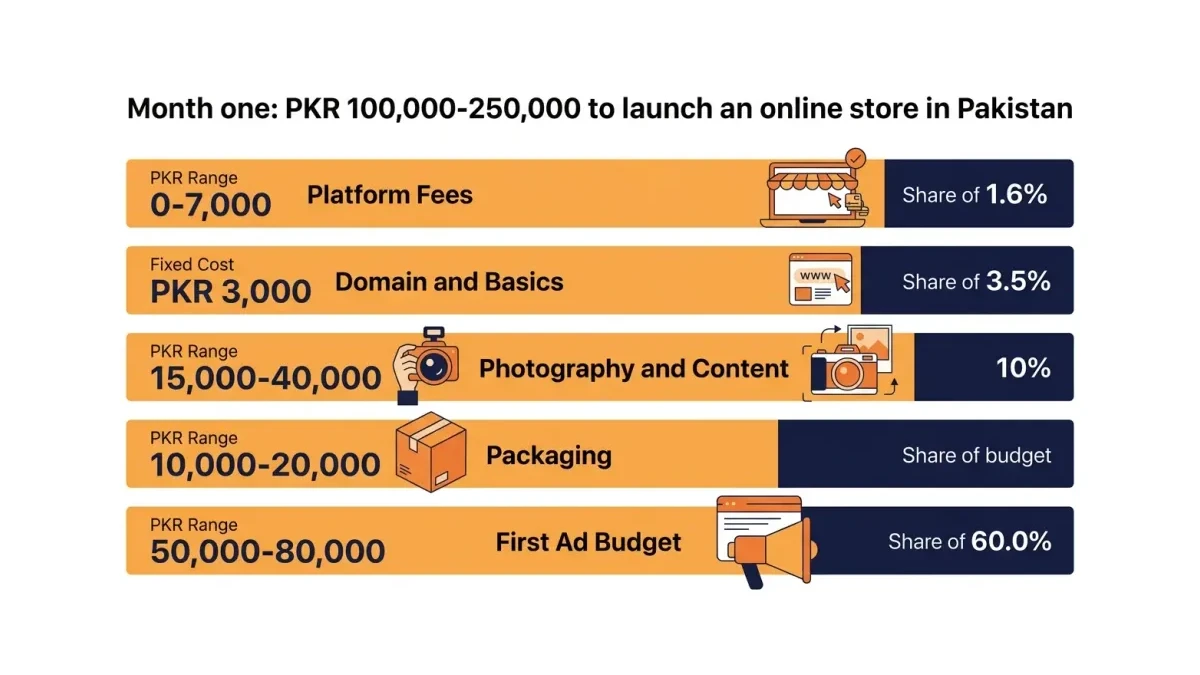
There is also a defensible decision rule in these numbers. Below about PKR 150,000 of total launch budget, starting on Daraz usually beats starting on your own site, because the marketplace supplies the traffic you cannot yet afford to buy. Once monthly orders reach the high hundreds, the math flips: category commissions outgrow Shopify’s flat monthly fee, and owning the customer relationship starts to matter more than the footfall. Budget accordingly, and re-check the rule every quarter as your volume changes.
Your launch checklist, in order:
- Choose the channel: Daraz-first, Shopify-first, or WhatsApp-first, using the PKR 150,000 rule above.
- Register the platform account and confirm the exact commission or fee schedule for your category in writing.
- Connect a payment gateway and enable COD, JazzCash, Easypaisa, and Raast where possible.
- Open courier accounts with at least two providers, and compare COD settlement times.
- Commission the photo and video shoot before spending a rupee on ads.
- Set a first-month ad budget of PKR 50,000 to 80,000 with cost per sale defined up front.
- Review unit economics weekly: product cost, delivery both ways, fees, and refused-parcel rate.
Read next: Shopify versus Daraz: the platform choice for Pakistani sellers and Selling inside social apps: social commerce in Pakistan, 2026.
The decision criterion is worth repeating because it saves the most money: marketplaces when the budget is small and the traffic is theirs; an owned store when the orders are many and the margins are yours. Businesses that launch on the wrong side of that line pay for it twice — once in commissions, once in rebuilding. WeProms Digital, Pakistan’s leading ecommerce marketing agency, builds and runs online stores for Pakistani brands end to end — platform setup via our ecommerce website development team, payments, catalog, and the ad engine on top. For a launch plan priced to your catalog, reach out at hello@weproms.com or WhatsApp +92 300 0133399.
Frequently Asked Questions
How much money do I need to start an online store in Pakistan?
Plan for PKR 80,000 to 150,000 in month one for a small catalog, covering platform fees (PKR 0 to about 11,000 monthly on Shopify Basic, nothing on Daraz), photography and content (PKR 15,000 to 40,000), packaging (PKR 10,000 to 20,000), and a first ad budget of PKR 50,000 to 80,000. Month-two running costs drop sharply once launch expenses clear. Sellers starting with under PKR 150,000 generally do better launching on Daraz, where traffic is included.
Is Daraz cheaper than Shopify for Pakistani sellers?
Up front, yes — Daraz registration is free with no monthly subscription, while Shopify Basic costs about PKR 10,800 a month plus roughly 2% in external-gateway fees. Over time the answer flips, because Daraz takes a commission on every order while Shopify charges a flat fee; high-volume sellers usually pay less on Shopify and own their customer data. Check the exact commission for your category before comparing.
Can I sell on TikTok Shop from Pakistan?
Not directly yet. Pakistan was absent from the 24-market list where TikTok’s Seller Centre operated as of August 2026, and Pakistani sellers cannot register for local in-app checkout. Brands here instead run TikTok content and ads that route buyers to WhatsApp or their own store — a workable interim model while a local launch stays unconfirmed.
Do Pakistani online shoppers only pay cash on delivery?
No, but cash still dominates: estimates for COD’s share of Pakistani ecommerce orders range from about 60% to 95% depending on category. Digital wallets like JazzCash and Easypaisa, plus the State Bank’s Raast rail, are growing and increasingly encouraged by national policy. Offer COD plus at least one wallet option from day one.
How much does WeProms charge to build and run an online store?
WeProms Digital scopes ecommerce engagements to the catalog: platform build, payment and delivery setup, product content, and ad management are quoted after a short audit, so you see fixed costs before committing. Engagements range from a one-time store launch to a full monthly growth retainer covering ads, email, and optimization. Request a quote via weproms.com/contact-us.
Sources & References
- Shopify — Pricing plans — Accessed August 2026
- Virexo Media — Shopify pricing in Pakistan: plans, billing, and gateway fees — August 26, 2026
- Markaz — Daraz versus Markaz for resellers: fees, COD, and margins — 2026
- DPL Company — Countries with access to TikTok Shop Seller Centre — August 13, 2026
- Markaz — TikTok Shop for resellers in Pakistan: how to start — August 14, 2026
- Connected Pakistan — How to start selling online in Pakistan — August 10, 2026
- Practical Ecommerce — BK Beauty doubles down on TikTok Shop — August 28, 2026
- NextGen — Pakistan National E-Commerce Policy Framework 2026 — August 12, 2026
- Tijaraat — Daraz versus Shopify: what you actually keep after tax and fees — 2026
Additional reading from industry feeds: