By Abdul Rehman · WeProms Digital · October 15, 2026
Last updated: October 2026.
TL;DR: This walkthrough builds a six-week Instagram Reels system around one hero mithai box: set a benchmark engagement number, film three repeatable clips a week, ride trending audio within days, route every enquiry into WhatsApp, and add micro-creators only once orders flow. Expect roughly £260 of sample spend (worked example — substitute your own costs) to prove the system before shaadi season peaks.
If you run a mithai counter in Sparkhill, Alum Rock, or Small Heath and your Instagram has 3,000 followers while the shaadi-season orders still arrive by walk-in and WhatsApp, this walkthrough is for you. Birmingham’s 2021 census counted 195,102 residents of Pakistani heritage — the city your family has sold sweets in for decades now researches you on a phone screen first. A 12-piece mithai box at £26 (illustrative price — substitute your own) is the product this plan is built around, because a box is what a shaadi guest, a mehndi host, or an Eid family actually orders. If you are a home-based mithai maker without a shop counter, run the identical calendar with collection-only orders and one courier; the system does not change, only the fulfillment does.
First, pin the calendar before you film anything
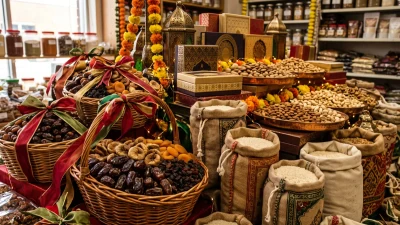
Mithai demand in the British Pakistani community follows the family calendar, not the retail calendar. Weddings cluster in the cooler months and school holidays on either side of Ramadan; Ramadan 2027 is expected to begin around February 8, with Eid al-Fitr expected around March 9 or 10, subject to moon sighting, according to Gulf News. Eid boxes get ordered in the final ten days of Ramadan; wedding boxes get ordered two to three weeks before each function date; corporate and community-event trays close four to six weeks out.
Work backwards from those dates and one rule emerges: film six weeks before the selling window, because a reel posted this week is still collecting views — and orders — five weeks from now. Which means a brand targeting the winter shaadi bookings films in October and November, and a brand targeting Eid al-Fitr boxes films through January. Write the four selling windows on one page, each with its filming start date, and you have the entire strategic plan; everything after this paragraph is execution.
Then, write down one benchmark number
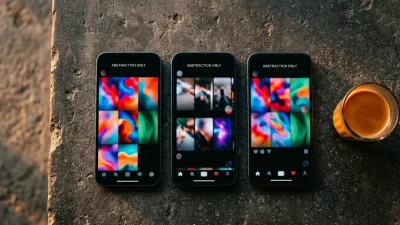
You cannot judge “normal” without a number, and Hootsuite’s 2026 benchmark study finally gives small brands one for free. Across industries, the average engagement rate on Instagram is 4.2 percent of followers, while TikTok averages 1.5 percent and X sits at 1.8 percent; the healthy band on Instagram runs roughly 1 to 5 percent, and anything around 12 percent is exceptional — nearly three times the average.
Engagement rate — likes plus comments plus shares plus saves, divided by followers, times 100 — is the only fair way to compare yourself to those benchmarks, because it adjusts for audience size; a 3,000-follower mithai shop can out-engage a 100,000-follower brand. Calculate it across your last nine reels before changing anything. Below 1 percent on Instagram means the content, not the algorithm, is the first problem; above 4 percent means your audience is ready for the traffic steps later in this walkthrough. The useful habit from Hootsuite’s competitor-analysis guide is to run the same calculation on the two mithai or dessert shops you actually compete with, which turns a vanity metric into a market position.
Next, build the filming calendar around one hero box
Book a free strategy call - we'll audit your current setup and identify the highest-impact fixes.
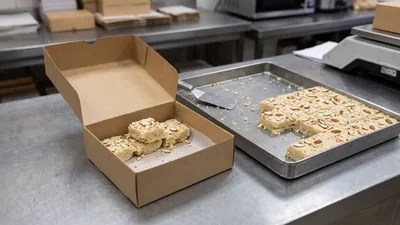
Picture this: the mithai counter on the night before Eid, queue to the door, every tray selling out — that counter works because it shows the product being made, cut, and boxed in front of the customer. A reel is the same counter, open all week. The plan needs three repeatable formats, each filmable on a phone in the shop: the cut (a knife going through a fresh tray of barfi, close and slow), the pack (the £26 box being assembled — base layer, silver-leaf pieces, lid, ribbon), and the counter (a busy prep tray, a wedding order stacked and labeled, the shop’s regular rhythm).
Three reels a week for six weeks is eighteen clips, which sounds like a lot until you batch-film: two hours on a quiet Sunday morning yields six to eight clips when the trays are fresh and the shop is empty. Each clip gets one job — show the texture, show the price, show the deadline — and one caption rule: every caption names the box, the price, and the collection or delivery terms, because the caption is what a customer screenshots before messaging you. A caption reading “Shaadi boxes open — 12 pieces, £26, collection in Sparkhill, order by DM or WhatsApp” converts views into enquiries; a caption reading “sweet Sunday 😍” converts views into likes.
After that, ride trending audio while it trends
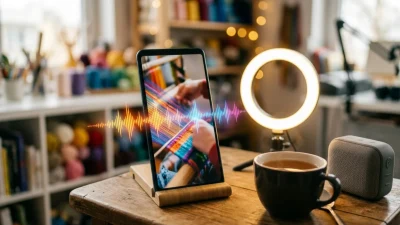
Trending audio — a song or sound clip that Instagram’s algorithm is currently boosting across reels — is the cheapest reach a small account can borrow, and Buffer’s October 2026 list shows how quickly the window moves. Three of this month’s trends map directly onto mithai content. “What You Waiting For?” by Gwen Stefani soundtracks quick-cut storytelling, which suits a 30-second clip from empty tray to sealed box. “Upside Down” by Diana Ross powers before-and-after flips — raw ingredients flipping to a finished, ribboned box. “Last Train to London” by Electric Light Orchestra scores a week-of-series, which fits five gift sets shown across five clips.
Two mechanics matter more than the specific song. First, timing: use a trending sound within days of spotting the upward-arrow icon next to it in the reel composer, because Instagram’s boost decays fast. Second, eligibility: Buffer notes trending audio now applies to carousels and single photos too, so your boxed-sweet flat-lay can ride the same trend as your video. The tradeoff is worth stating plainly — trending audio buys reach for the account, but the product shot and the priced caption convert it; neither works alone — our earlier Pakistan-market Reels audio study reaches the same conclusion from a different dataset.
At this point, wire every enquiry into WhatsApp

Views become orders only if the path from reel to order is shorter than the customer’s patience. Set up three things, each free: an auto-reply on Instagram DMs that answers price and collection in one message and points to WhatsApp; a link-in-bio that opens a WhatsApp catalog or a one-page order sheet; and a saved quick-reply in WhatsApp Business for the standard enquiry. The community already shops this way — the order was always going to close in a WhatsApp conversation, so the reel’s only job is to start it (our Pakistan-market guide to automating WhatsApp orders covers the same setup steps, written for PKR businesses — the method transfers).
For your past customers, one broadcast message, sent only to people who have ordered before or opted in, with the wording ready to paste:
“Assalamu alaikum [name] — shaadi season mithai boxes are now open. 12-piece box £26, collection in Sparkhill or local delivery. You’re receiving this because you ordered with us before; reply STOP any time and we’ll remove you from these updates.”
The consent line is not decoration: messaging people who never agreed is how brands get blocked and reported, and a blocked number is a customer lost quietly. Log every enquiry that mentions a reel in a simple notebook or sheet — date, reel, box, order or no order — because that one-page log is the tracking system this whole plan runs on.
Once orders arrive, add micro-creators instead of one influencer
How we helped a Pakistani business achieve measurable results.
The pattern repeats in every creator-economy dataset: many small creators beat one big name for direct sales. Digiday’s October 2026 briefing on TikTok Shop affiliate data — based on 1.5 million product samples sent by brands — found that only 47 percent of sampled creators ever posted a video, and just 14 percent generated any sales. One video from a creator averaged $7.19 in sales; creators who posted 20 or more videos averaged $74.07 per video, and smaller creators produced disproportionately more sales per 1,000 followers than large ones.
Which means a Birmingham mithai brand should not pay one lifestyle influencer for a single polished post. Send a £26 box to ten local micro-creators — Birmingham food pages, shaadi planners, community creators in the 5,000-to-30,000 follower range — with a simple offer: keep the box, post if you genuinely like it, and share a 10 percent order code for your followers. Expect the dataset’s odds: roughly half post, a few sell, and the code tells you exactly which. Repeat with the two who moved orders, because repeat posting by the same creator is where the per-video return multiplies. Values alignment decides who you send to, as TikTok’s own business marketing team told Later’s interview series — a creator who already serves the community’s weddings will out-sell a bigger account for whom your box is just another freebie.
From here, judge the system on contribution, not likes
Run the money math once, on paper, with your own numbers. Worked example, all figures illustrative: a 12-piece box sells at £26; ingredients and packaging cost £9.50; courier or delivery allocation costs £4.00. Contribution per box = £26 − £9.50 − £4.00 = £12.50 per order. The creator sampling program costs ten boxes plus delivery, call it £260 in total — which means it breaks even at 21 tracked orders, and everything after that is profit funding the next batch.
That single ratio becomes your stop-or-scale rule: if tracked Instagram orders over six weeks cost more than twice the £12.50 contribution each to generate, stop spending on creators and fix the content or the enquiry path first; if they cost less, scale the next batch to twenty boxes. Compare the two operating styles side by side:
| Posting by feel | The shaadi Reels system | |
|---|---|---|
| Audio | Whatever song is on the radio | Trending audio used within days of the arrow icon |
| Cadence | Sporadic, mood-dependent | Three reels weekly, batch-filmed on one Sunday |
| Metric watched | Likes from friends | Engagement rate vs the 4.2 percent benchmark |
| Creator budget | One paid influencer post, no tracking | Ten micro-creator boxes, codes tracked to orders |
| Order tracking | ”We think Instagram helps” | A dated log of reel, enquiry, box, contribution |
The system’s output is not virality; it is a repeatable pipeline — film, post, reply, deliver — that produces a known contribution per order before Eid boxes open.
Read next: Why Brampton mithai shoppers fill the gift box, then quit at checkout (written for a Canadian audience — the checkout fixes transfer to UK stores) and How to add the halal badge to a Bradford takeaway’s Google listing
WeProms Digital plans and runs exactly this system as social media strategy and content planning for halal restaurants, sweet brands, and retailers across the UK and Gulf. As a social media marketing agency for halal restaurants and retailers, we have worked with food and occasion-led brands on seasonal calendars from Birmingham to Dubai, and we judge our own work on tracked orders, not likes. To have the shaadi-season calendar and creator plan built for your counter, message hello@weproms.com or WhatsApp +92 300 0133399 (replies in UK business hours), or visit weproms.com/contact-us.
Frequently Asked Questions
What engagement rate should mithai reels actually get?
Benchmark against Hootsuite’s 2026 averages: 4.2 percent of followers is the Instagram norm and the healthy band runs 1 to 5 percent. A small community account often sits above that because its audience is personally invested — compare yourself to similar-sized local accounts before assuming a problem.
How much should a Birmingham mithai brand spend on micro-creators?
Start with product cost rather than fees: ten boxes at your own box cost plus delivery, roughly £260 in the worked example above. Pay cash fees only to the two or three creators whose tracked codes actually produced orders in the first batch.
Do I need TikTok as well as Instagram for a UK mithai brand?
Instagram remains the community’s discovery and DM channel in the West Midlands, so run it first. Cross-post the same clips to TikTok only once the Instagram pipeline is producing tracked orders, since TikTok’s 1.5 percent average engagement rewards volume you cannot sustain while also running a counter.
How many reels a week is enough?
Three, batch-filmed in one two-hour session, sustained for six weeks before each selling window. Consistency at that cadence beats a burst of daily posting followed by silence, because the algorithm and your customers both learn when to expect you.
Can WeProms run this whole system for my sweet shop?
Yes — calendar, filming formats, posting, WhatsApp flows, and micro-creator management are delivered as a managed service priced per engagement rather than a fixed public rate. Tell us your city and selling windows via the contact page and we will scope it against your box economics.
Sources & References
- Hootsuite — Average engagement rates for 13 industries in 2026 — October 13, 2026
- Buffer — 13 Trending Sounds on Instagram in October 2026 (+ How to Use Them) — October 14, 2026
- Digiday — Future of TV Briefing: TikTok Shop success = small creators + more videos — October 14, 2026
- Later — How TikTok and creator Anna Sitar think about creator partnerships that convert — October 14, 2026
- Birmingham City Council — 2021 Census profile for Birmingham — 2023
- Gulf News — When is Ramadan 2027? The expected date, moon sighting and Eid explained — October 2026
- Hootsuite — How to do a social media competitor analysis in 2026 — October 13, 2026
Additional reading from industry feeds: