
Lifecycle and Retention Marketing
Abandoned Cart and Browse Recovery
Recover lost sales with coordinated cart and browse abandonment workflows.
Explore the detailA fixed-scope peak-season engagement that plans and runs your Black Friday, Cyber Monday, 11.11, and holiday sales end to end across paid media, email, CRO, and product-feed readiness for Pakistani DTC and marketplace sellers.
Ecommerce Marketing
A fixed-scope peak-season engagement that plans and runs your Black Friday, Cyber Monday, 11.11, and holiday sales end to end across paid media, email, CRO, and product-feed readiness for Pakistani DTC and marketplace sellers.
Review completed orders, refunds, fulfilment and contribution after costs alongside acquisition reporting.
A closer look
The approach, practical steps and decisions behind the plan.
For most ecommerce brands, a disproportionate share of annual revenue lands inside a narrow window of weeks. Black Friday and Cyber Monday sit at the centre of it, flanked by the Singles’ Day (11.11) and 12.12 mega-sales, the December holiday rush, and — in Pakistan — the Eid shopping seasons that move more inventory than any other period for apparel, electronics, gifting, and home categories. A store that runs those weeks well pulls revenue forward for the whole quarter. A store that runs them poorly spends heavily, stocks out, and spends the next month refunding and reputation-repairing.
In 2026, Black Friday falls on November 27 and Cyber Monday on November 30. By the time most brands start thinking about them in mid-October, the realistic runway to fix a product feed, rebuild paid structure, write email flows, and load-test the checkout has already closed. Peak-season work is fundamentally a calendar problem: the work has to be done, tested, and live before the traffic arrives, not built in real time while budgets are burning.
WeProms Digital runs BFCM and holiday sales as a single coordinated engagement for Pakistani DTC brands, Shopify and WooCommerce stores, and marketplace sellers on Daraz. The work is grounded in how the local market actually converts — a mobile-first audience, cash-on-delivery as the default payment method for most orders, JazzCash and Easypaisa as the digital wallets that actually get used, and WhatsApp as the channel where purchase decisions get finalised. The campaigns are built around that reality, not copied from a Western playbook that assumes card checkout and desktop browsing.
The biggest mistake brands make is treating Black Friday as a single day. It is not. It is a multi-phase campaign that starts with a teaser period, moves into an early-access window for VIPs and subscribers, peaks across the main event, and winds down through a clearance phase. Each phase has a different offer, a different audience, and a different ad strategy. When those phases are planned together, each one warms up the audience for the next.
We build the seasonal calendar first, before any creative or media is touched. The calendar defines the offer ladder — what discount or bundle runs on which dates — the audience segments each phase targets, and which channel owns each job. Critically, the calendar is paced against your fulfilment and inventory capacity. There is no point driving a surge of COD orders on day one if your courier can only dispatch a fraction of them; the backlog turns into cancellations and one-star reviews that hurt the store long after the sale ends.
For Pakistani sellers this also means mapping the calendar to the local mega-sale rhythm. Daraz’s 11.11 and 12.12 mega-sales, Eid-season promotions, and the locally adopted Black Friday all overlap and compete for the same shopper attention and the same logistics capacity. A calendar that sequences these sensibly — rather than running every discount at once and hoping — is what turns a frantic week into a managed campaign.
Most stores run their holiday ad spend through the same campaigns they use for everyday trading. That structure has no seasonal signal, so the algorithm spends the surge against cold audiences and generic placements exactly when costs per click are at their highest. The result is a budget that disappears fast with little to show for it.
We build dedicated seasonal campaign structure across the channels that matter for your catalogue — typically Meta for prospecting and retargeting, Google Shopping and Performance Max for high-intent product demand, and TikTok where it fits the category. Each channel gets a clear role, a budget paced to the calendar phases, and creative briefs that match the offer running that week. Budgets are front-loaded into the high-margin best-sellers and throttled on clearance inventory, using feed labels and audience signals so spend follows margin rather than spreading evenly.
During the event itself, paid media needs daily hands-on management. Costs move quickly, audiences saturate, and a creative that worked on Friday can fatigue by Sunday. We monitor pacing, stock levels, and ROAS daily and reallocate budget toward whatever is converting — which is impossible to do if the campaign was set up as a single lump at the start and left to run.
Paid media brings the traffic, but the list converts it profitably. The subscribers and past customers who already know your brand are the cheapest people to sell to during a peak, and they are the ones most responsive to early access and VIP offers. A store that has no lifecycle flows set up before BFCM is leaving its highest-converting audience on the table.
We build the lifecycle sequence around the calendar phases. A teaser flow warms the list in the weeks before, an early-access flow gives VIPs and engaged subscribers first pick of the offers, the launch flow drives the main event, and a win-back flow recovers the people who browsed but did not buy. In Pakistan, WhatsApp sits alongside email as a primary owned channel — many shoppers read and act on WhatsApp broadcasts faster than email — so we sequence both where the audience warrants it, wired into Klaviyo or whatever ESP the store already runs.
Because these flows are built and tested before launch, they run automatically during the rush while attention stays on paid media and fulfilment. The abandoned-cart and browse-recovery flows in particular earn their keep during a peak, catching the surge of high-intent shoppers who drop off at checkout under load.
A peak campaign is only as strong as the page it sends traffic to. Holiday traffic exposes every weakness in a store — slow product pages, weak mobile checkout, unclear offer messaging, and product feeds full of errors that quietly disapprove items from Shopping ads. Under a traffic spike, those weaknesses stop being minor and start costing sales directly.
We tune the experience before the rush arrives. That means product-page copy and offer mechanics that make the discount and urgency obvious at a glance, a checkout and COD flow that works cleanly on a mobile connection, and a site-speed check so pages stay fast when concurrent visitors climb. In parallel, we run a product-feed and Merchant Center readiness pass so Shopping and Performance Max campaigns serve a clean catalogue through the event instead of dropping disapproved items mid-sale.
This is the work that determines whether a traffic surge converts or bounces. A well-built paid campaign sending traffic to a page that takes six seconds to load on mobile will underperform a modest campaign sending traffic to a fast, clear page every time — and that gap is widest exactly when spend is highest.
You cannot optimise a campaign you cannot measure, and the worst time to discover your tracking is broken is halfway through Black Friday. We set up the measurement layer before launch: GA4 events for views, add-to-cart, checkout, and purchase; conversion tracking reconciled with your platform’s order data; and a daily reporting cadence that shows spend, revenue, and stock position in one place during the event.
Once the peak closes, we run a post-peak review that reconciles revenue by channel, evaluates which offers and flows actually performed, and clears any remaining feed or tracking issues. The output is a documented playbook your team can reuse for the next sale event — the 12.12 sale, the next Eid season, or Black Friday the following year — so each peak starts from a higher baseline instead of from scratch.
This engagement is for ecommerce brands and marketplace sellers who do meaningful volume during the holiday peak and cannot afford to treat it as business-as-usual — Shopify and WooCommerce DTC brands in apparel, electronics, beauty, gifting, and home; Daraz sellers scaling through the 11.11 and 12.12 mega-sales; and established stores that have been burned by a previous peak that under-delivered. It fits teams that want a single partner coordinating paid media, email, CRO, and feed readiness under one seasonal calendar, rather than juggling three freelancers and a last-minute brief in October. Book a free strategy call to scope a plan tuned to your inventory and margins, or explore the wider set of ecommerce marketing services we run alongside this work.
Related services
Lifecycle and Retention Marketing
Recover lost sales with coordinated cart and browse abandonment workflows.
Explore the detailLifecycle and Retention Marketing
Build lifecycle email flows that increase retention, repeat purchases, and customer value.
Explore the detailPaid Media and Advertising
Set up segmented retargeting flows that recover lost traffic and improve return on spend.
Explore the detailA few of the brands we’ve worked with.








See where the work happens and get to know WeProms before your first conversation. Our team is based in Lahore, working with business owners abroad and at home.
Get to know WeProms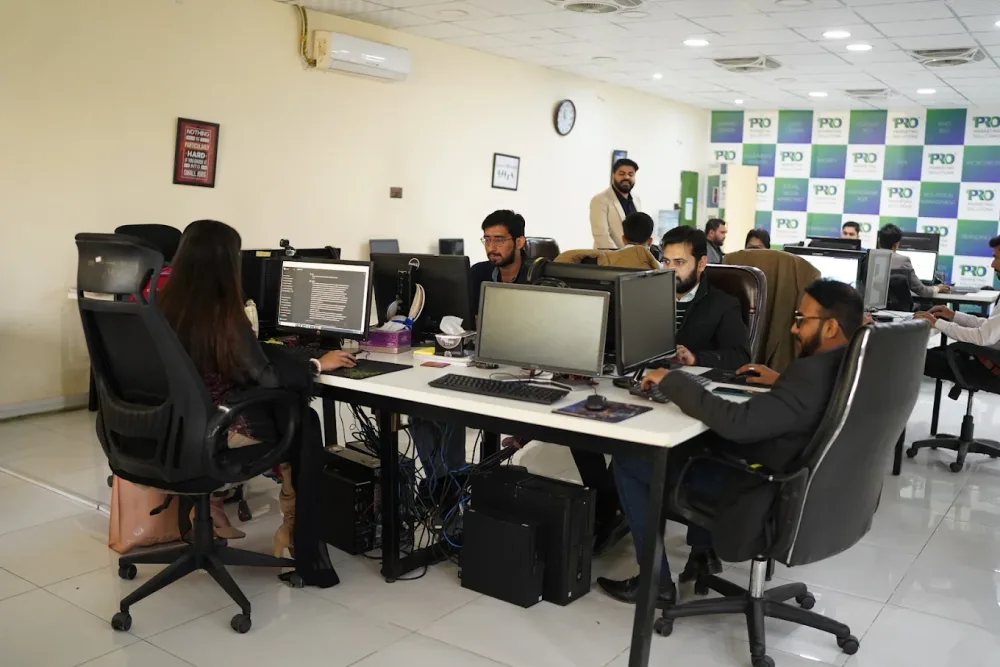 Watch our introduction
 Published client experiences
Hear what working with WeProms was like, directly from our clients.
 Watch their story
 Healthcare
 Watch their story
 Singapore · Video production
 Watch their story
 Education
Inside WeProms
Lahore, Pakistan
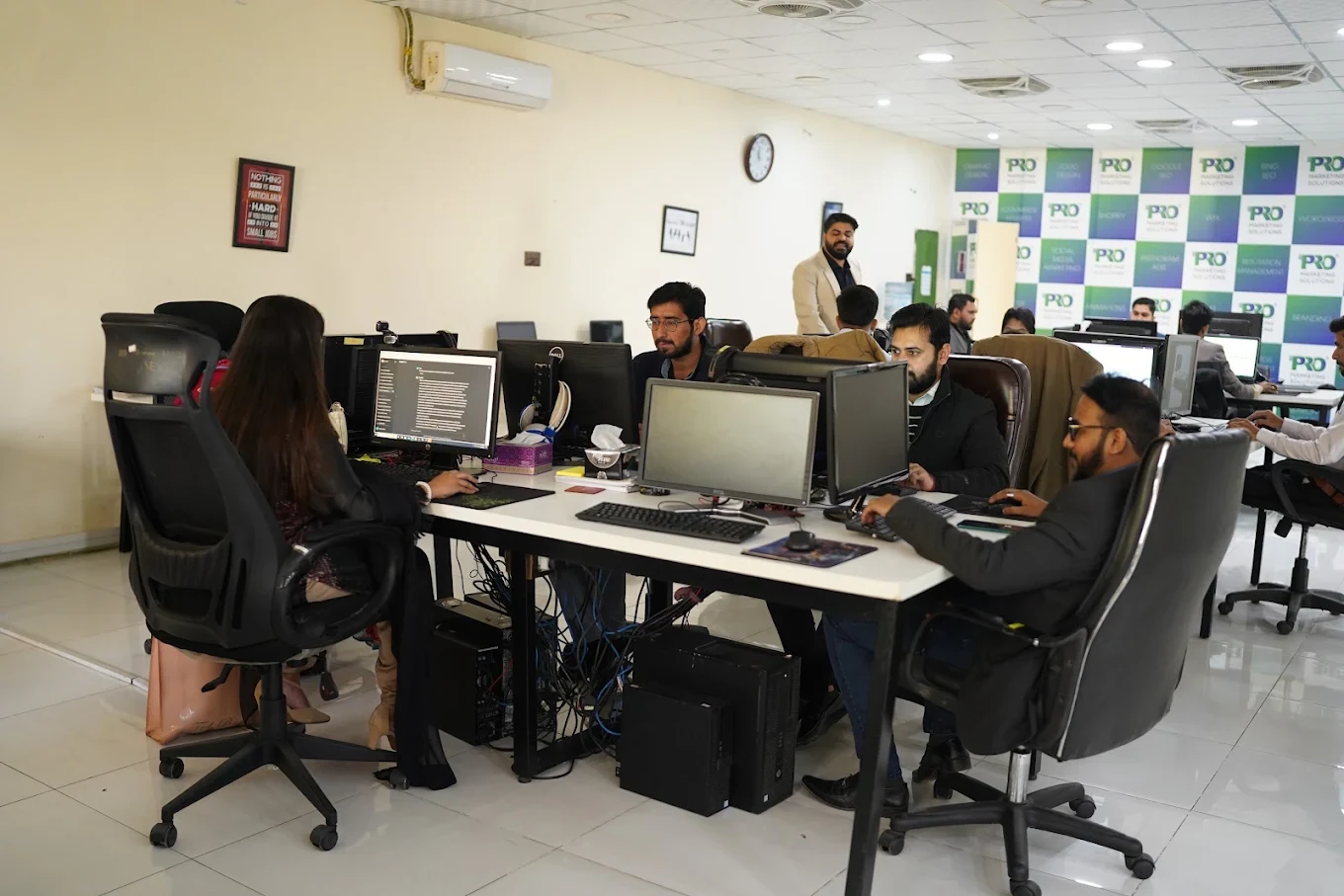
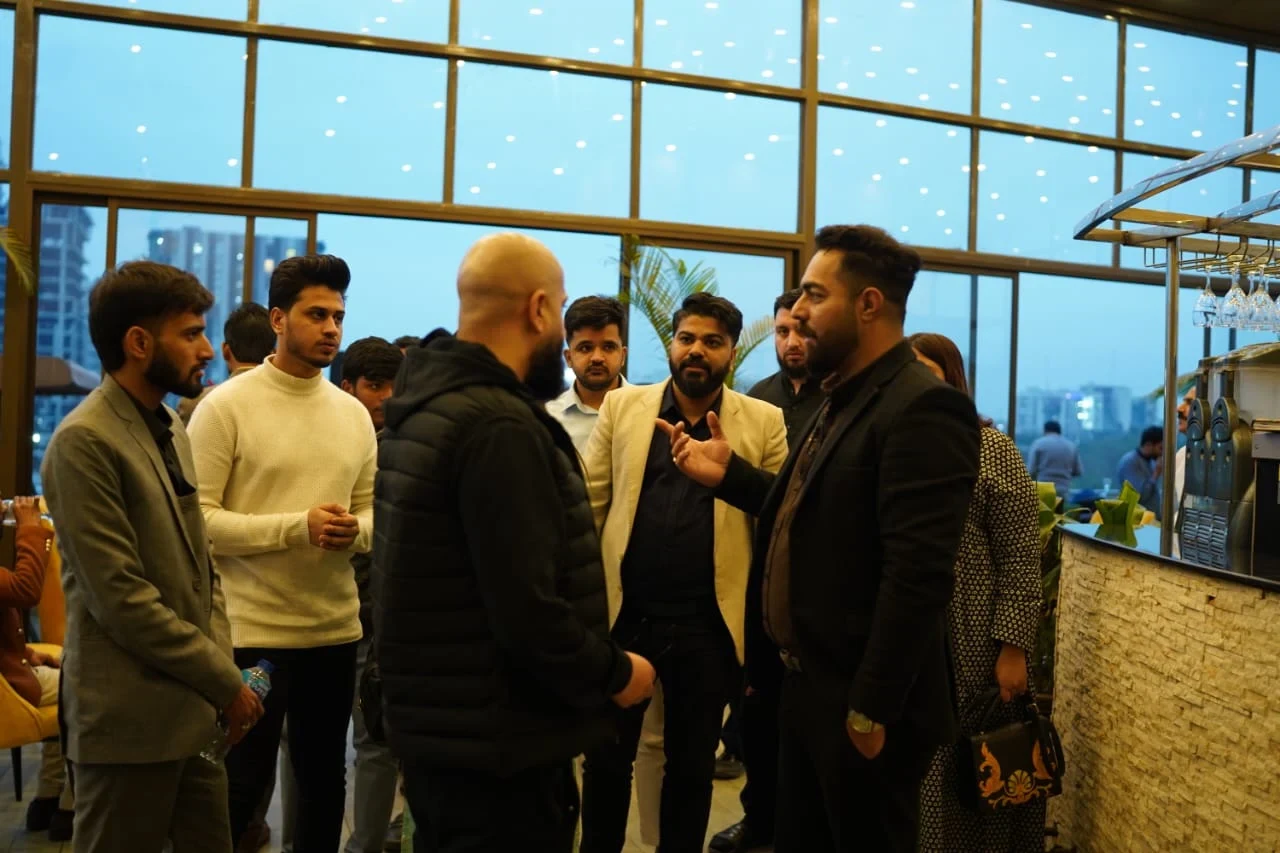
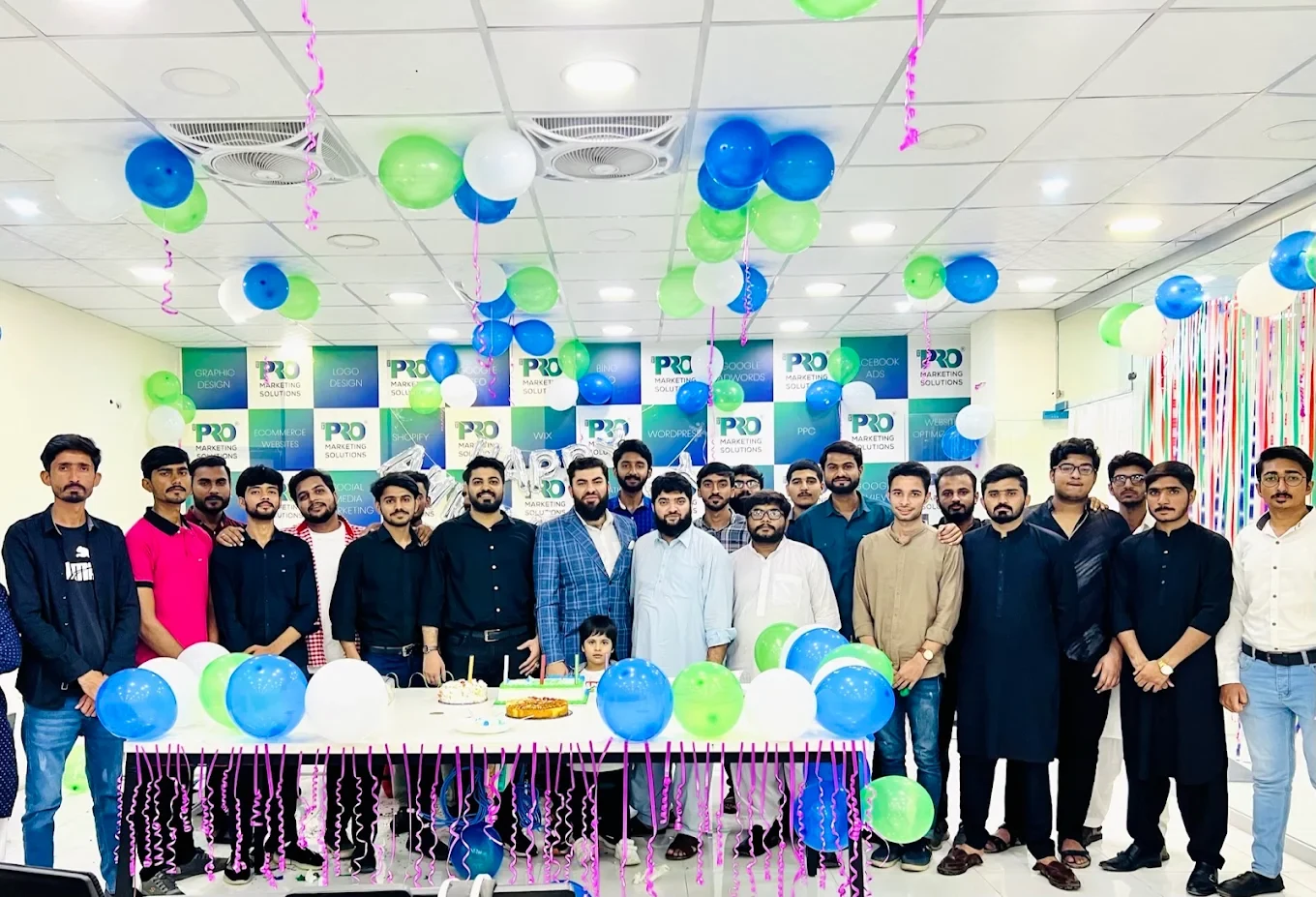
154, C1, Nespak Housing Scheme, Lahore 54770, Pakistan.
Working with a remote marketing team
You know your customers and market. Our strategists, creatives and technical specialists in Lahore help put the plan into practice. Agree the contact person, meeting times and approvals before we start.
Agree deliverables and the agency fee. Discuss ad spend and third-party tools separately.
Keep visibility and ownership. Agree access, asset licences and handover as part of the scope.
Agree a review schedule around your time zone. See what was delivered, what the numbers mean and what comes next.
Explore our Pakistan pricing guides for planning ranges and what shapes the cost. Your market, deliverables and existing setup determine the final quote; advertising spend and third-party costs are separate.
Discuss a quote for your market ↗Before the next step
A useful starting brief includes: product and margin context; store and acquisition reports; delivery, return and support feedback. We can agree appropriate access after the first conversation.
Review completed orders, refunds, fulfilment and contribution after costs alongside acquisition reporting.
We can discuss a one-off implementation, an ongoing scope or an initial build followed by support. The proposal states what is included, dependencies and the review points.
Agency work, media spend and third-party costs are identified separately. Your market, existing setup and delivery requirements determine the final scope and quote.
Share your website, target country and the next thing you want to improve. We’ll help you find a useful place to start.