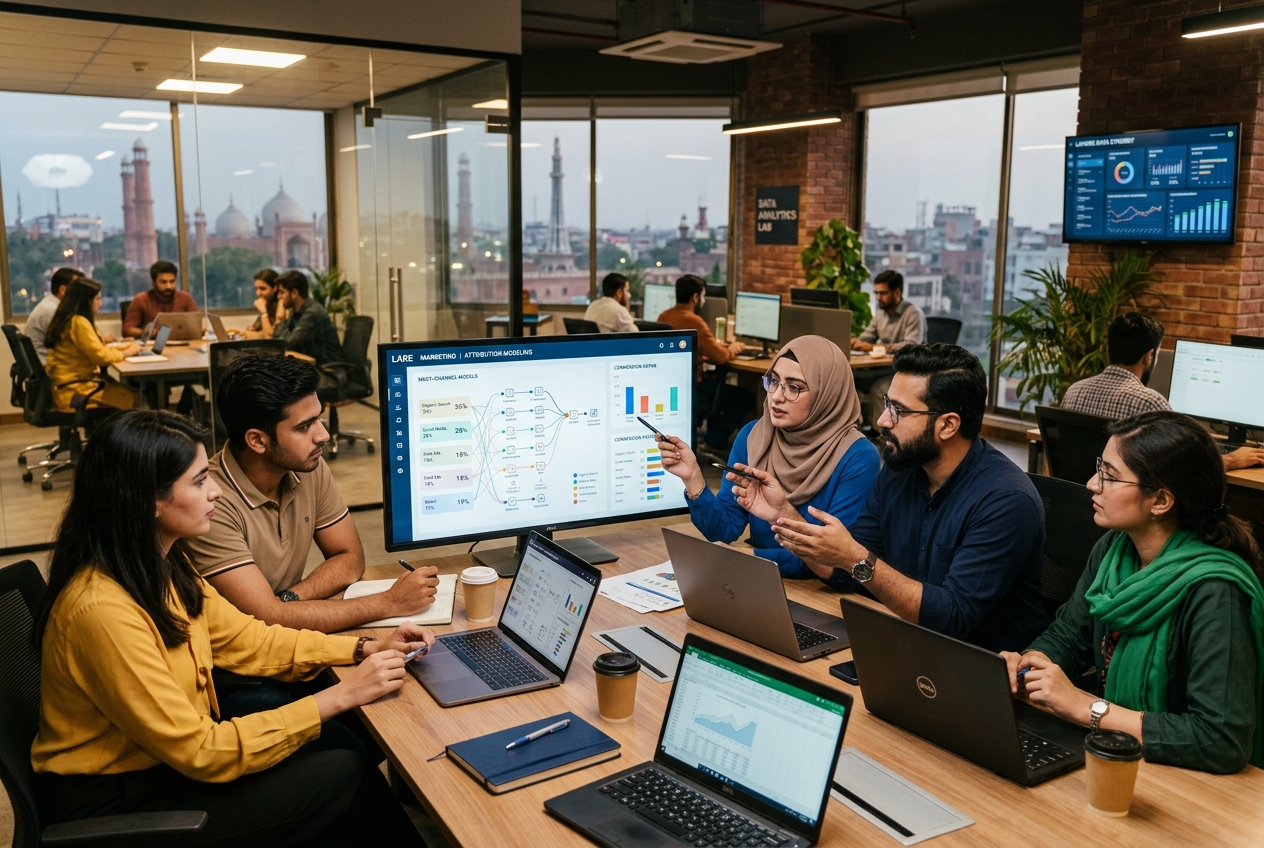
Analytics and Attribution
Marketing Attribution Modeling
Build attribution models that show which channels and campaigns drive real revenue.
Explore the detailCookieless top-down measurement that quantifies each channel's true contribution and reallocates budget using econometrics.

Analytics and Attribution
Cookieless top-down measurement that quantifies each channel's true contribution and reallocates budget using econometrics.
Review data quality against a business source of truth. Document missing coverage, consent and attribution differences.
A closer look
The approach, practical steps and decisions behind the plan.
Pakistan’s digital advertising market has matured rapidly. Digital ad spend crossed roughly PKR 100 billion annually and continues to grow double digits as Meta, Google, and local platforms absorb larger shares of brand budgets. Yet most marketing teams in Lahore, Karachi, and Islamabad still plan that spend using last-click reports, gut feel, or a spreadsheet of platform ROAS figures that quietly double-count conversions. That worked when one or two channels mattered. It breaks down once a brand runs paid social, search, YouTube, programmatic, and offline activity in parallel.
Marketing Mix Modeling (MMM) is the cookieless, top-down measurement method that fixes this. It uses econometrics to look at two or more years of spend and outcome data and answer the only question finance actually cares about: how much revenue did each channel genuinely drive, and where is the next rupee best spent? With cookies deprecating and signal loss worsening in GA4, MMM has become the most resilient attribution foundation a Pakistani business can build.
Marketing Mix Modeling is a statistical technique that decomposes historical sales into the contribution of each marketing input plus non-marketing factors like seasonality, price, promotions, and macro conditions. Instead of tracking individual users across the web, MMM looks at aggregated weekly data and asks, “when spend on Meta went up by X, what happened to sales, holding everything else constant?”
This matters more than ever because bottom-up, user-level attribution is degrading. iOS privacy changes, consent modes, ad blockers, and cookie deprecation have made last-click and even multi-touch models unreliable. A Pakistani ecommerce brand running Meta and Google in parallel routinely sees both platforms claim the same sale. MMM cuts through that by working at the aggregate level, where privacy restrictions do not apply. It gives you a single, defensible number per channel that finance can stand behind.
A robust MMM project follows a clear mechanics sequence. First, we collect at least 104 weeks of weekly data: spend by channel, sales or leads, pricing, promotions, distribution, weather where relevant, holidays like Ramadan and Eid, and competitor activity proxies. More variables make the model more honest.
Second, we transform the inputs. Spend is converted into adstocked media variables to account for carryover (an ad viewed today still has effect next week) and saturating response curves (the tenth million rupees of YouTube spend returns less than the first). These transformations are where most DIY models fail; the math is unforgiving.
Third, we fit a regression model, typically a regularized multiple regression or Bayesian hierarchical model, that explains historical sales as a function of all inputs. We read off the coefficient for each channel to get its marginal contribution and ROI. Fourth, we validate the model on a holdout period and, ideally, against incrementality and geo-experiment results to confirm it reflects causal reality, not just correlation. Finally, we plug the contribution curves into a budget optimizer that reallocates spend to maximize revenue or ROAS at your current total budget.
Pakistani businesses face a specific set of measurement problems that make MMM disproportionately valuable. Cross-border ecommerce and export brands selling to the GCC, UK, and US run multi-currency campaigns across platforms that each report ROAS differently, making apples-to-apples allocation impossible without a top-down model. Local retail and D2C brands in Lahore and Karachi layer offline activity like billboards, radio, and influencer partnerships on top of digital spend; bottom-up attribution cannot see any of it, but MMM can.
The Ramadan and Eid peak is another reason. Pakistani consumer demand is intensely seasonal, and a model that ignores seasonality will misattribute natural demand spikes to whichever channel happened to be active. A calibrated MMM separates the seasonal baseline from true incremental media contribution, so you stop over-funding channels that merely ride the wave and start funding the ones that actually lift it.
When the CFO asks what PKR 20 million of paid social actually returned, platform ROAS is not an answer they trust. MMM produces channel-level contribution and ROI figures grounded in econometrics, giving finance a number it can stress-test. This is often the difference between a marketing budget getting approved or cut.
Most growth teams in Pakistan allocate budget by channel or by historical comfort, not by marginal ROI. The optimizer output of an MMM shows exactly which channels are saturated, which have headroom, and what reallocation would yield. Assess commercial value against actual spend, margin and confirmed business outcomes.
With GA4 consent mode, iOS opt-outs, and cookie deprecation, bottom-up attribution undercounts Meta, overcounts Google (or vice versa), and misses non-click channels like YouTube and display entirely. MMM sidesteps this because it never tracks individuals; it works on aggregates and is therefore immune to the signal loss that is hollowing out your current reports.
MMM is a strategic investment, not a tactical line item. A typical setup sprint for a mid-market Pakistani business runs in the low single-digit thousands of USD for implementation, with monthly retainers scaling from there based on refresh cadence and channel count. The infrastructure cost is modest because MMM runs on aggregated data in tools like Python, R, or cloud notebooks rather than expensive CDP or warehouse compute.
The ROI math is compelling. Consider a Pakistani ecommerce brand spending PKR 50 million a year across paid social, search, and YouTube. If MMM-driven reallocation improves blended ROAS by even 15%, that is roughly PKR 7.5 million of additional revenue at the same budget, recovered every year. Most engagements pay for themselves many times over within the first quarter of optimized spend. The model also surfaces negative-ROI channels that have been quietly draining budget for years, which is often where the largest single saving hides. Once the optimizer is live, the question shifts from “did we cut waste?” to “how aggressively should we scale the channels the model proves work?” — and that is a far better problem to have.
It is worth noting what MMM will and will not do. It will not replace your day-to-day campaign management or tell you which creative to run. It operates at the channel and tactic level on weekly aggregates, which makes it ideal for budget planning and quarterly strategy, not for hourly bid optimization. The smartest Pakistani teams pair MMM for top-down budget decisions with bottom-up attribution and incrementality tests for tactical optimization, creating a measurement stack where each method compensates for the others’ blind spots.
Finally, treat the first model as version one, not the final word. Markets shift, new channels enter the mix, consumer behavior evolves, and a model that fit last year’s spend pattern will drift if left unrefreshed. We build refresh cadences into every engagement so the model keeps reflecting reality rather than calcifying around assumptions that no longer hold. The brands that get lasting value from MMM are the ones that treat it as a living decision tool, reviewed and updated each quarter, rather than a one-time consulting deliverable that sits in a slide deck.
WeProms Digital delivers MMM engagements across Pakistan from our Lahore office, with active clients in Karachi, Islamabad, Rawalpindi, Faisalabad, and Multan. Our embedded-partner model means we work as an extension of your marketing and finance teams rather than a vendor handing over a slide deck. Most communication happens over video reviews, shared dashboards, and async updates, so location is never a barrier.
Typical timelines run 30-45 days for the foundational model and first optimizer output, then shift to quarterly refresh cycles. We also serve Pakistani founders running businesses in the UK, UAE, and North America who need a measurement foundation that survives privacy changes and multi-currency complexity. Book a free strategy call and we will map exactly what data you need, what the model will deliver, and what the first 90 days look like.
Related services
Analytics and Attribution
Build attribution models that show which channels and campaigns drive real revenue.
Explore the detailAnalytics and Attribution
Create dashboards that combine ads, analytics, and CRM data in one decision view.
Explore the detailAnalytics and Attribution
Geo holdouts and conversion lift tests that prove true causal ROAS and stop you funding channels that do not actually work.
Explore the detailA few of the brands we’ve worked with.








See where the work happens and get to know WeProms before your first conversation. Our team is based in Lahore, working with business owners abroad and at home.
Get to know WeProms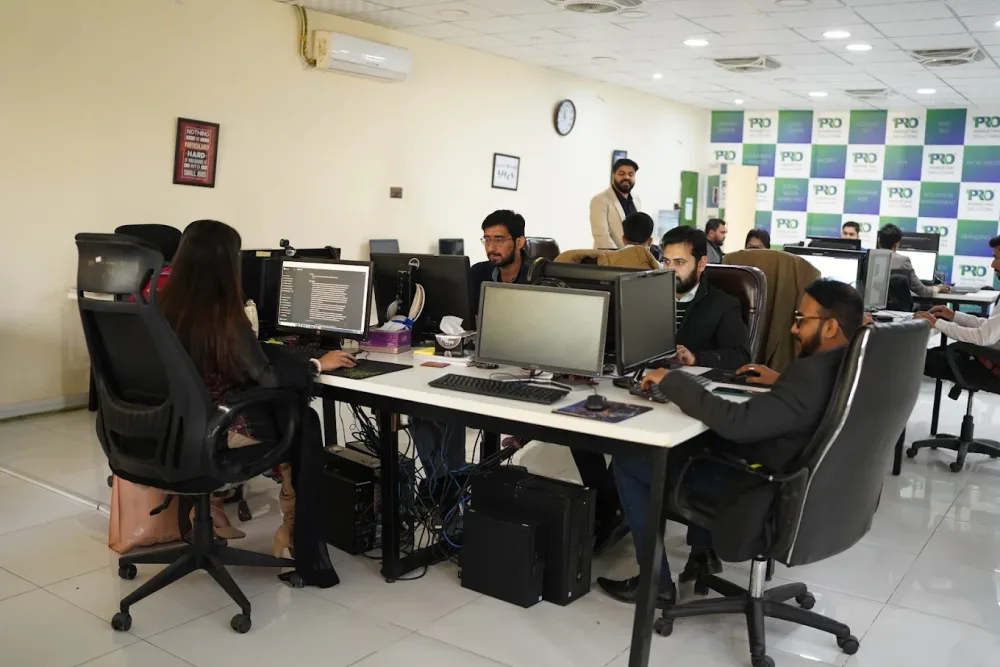 Watch our introduction
Published client experiences
Hear what working with WeProms was like, directly from our clients.
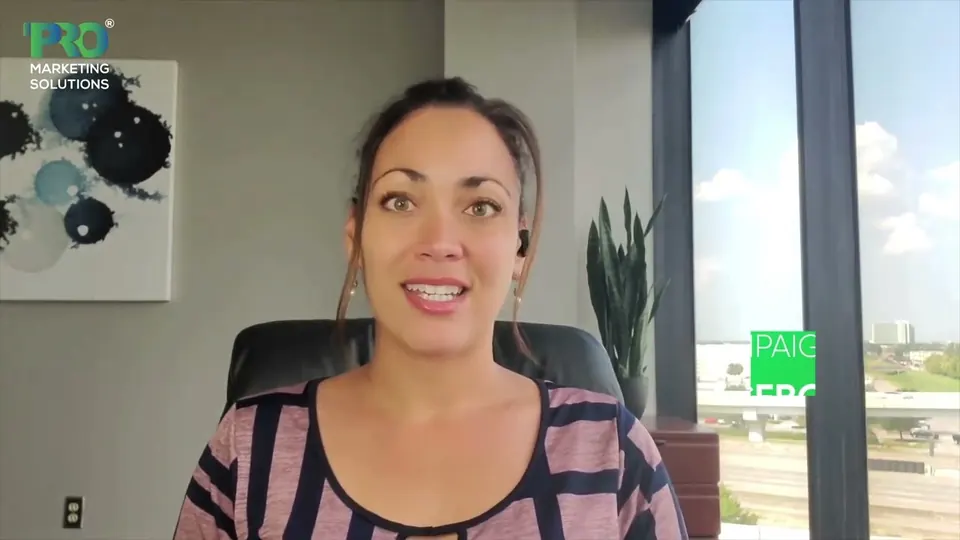 Watch their story
Their business journey
 Watch their story
Client feedback
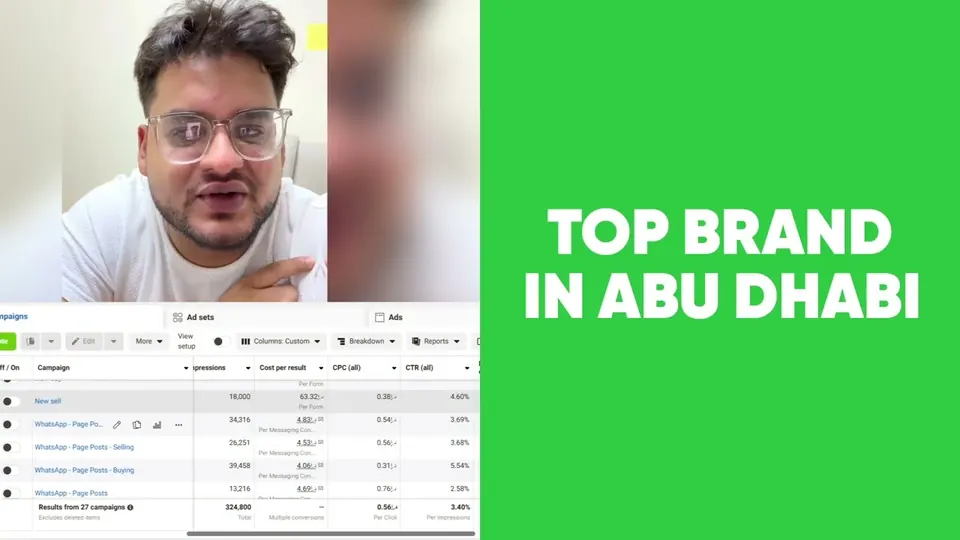 Watch their story
Working with WeProms
Inside WeProms
Lahore, Pakistan
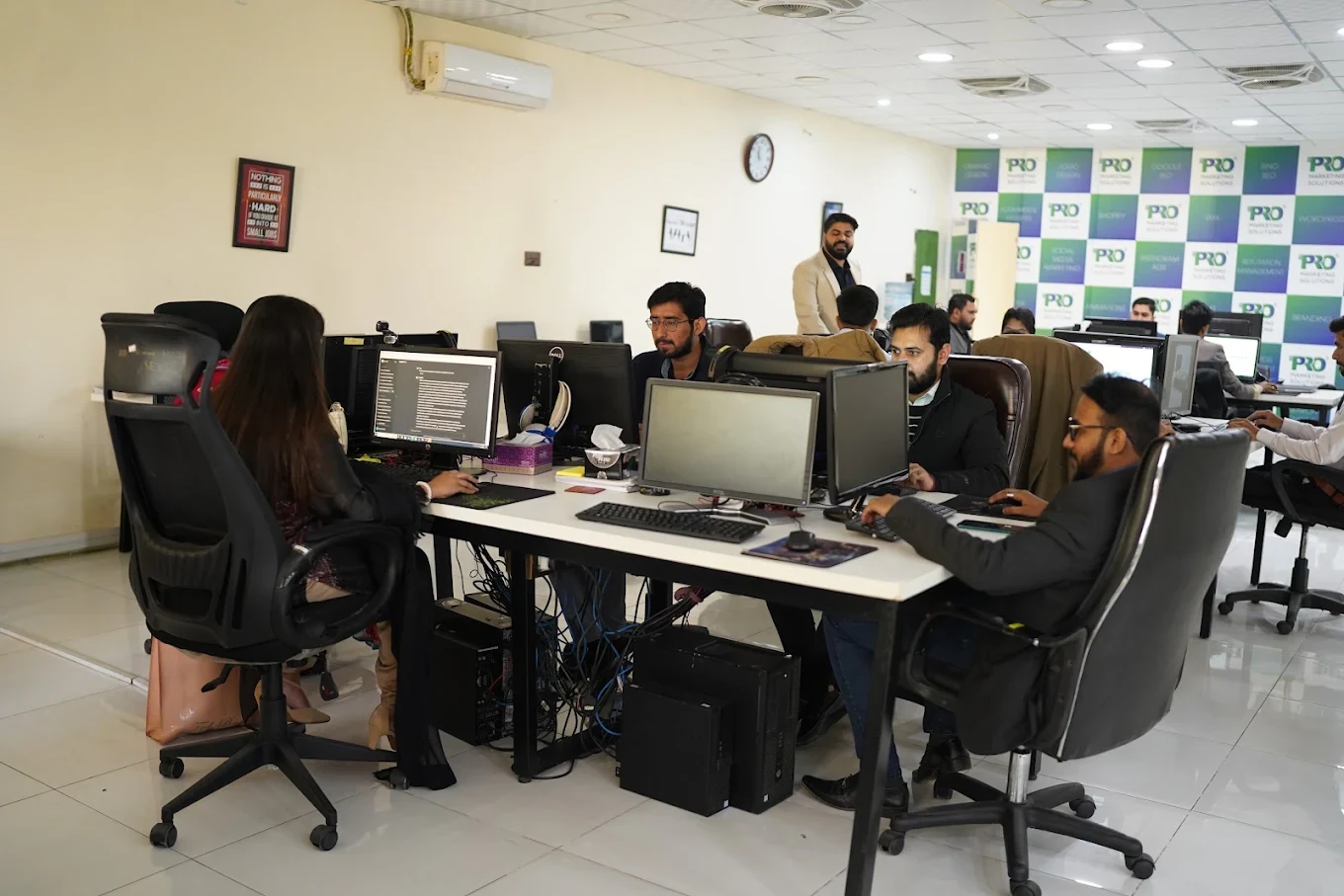

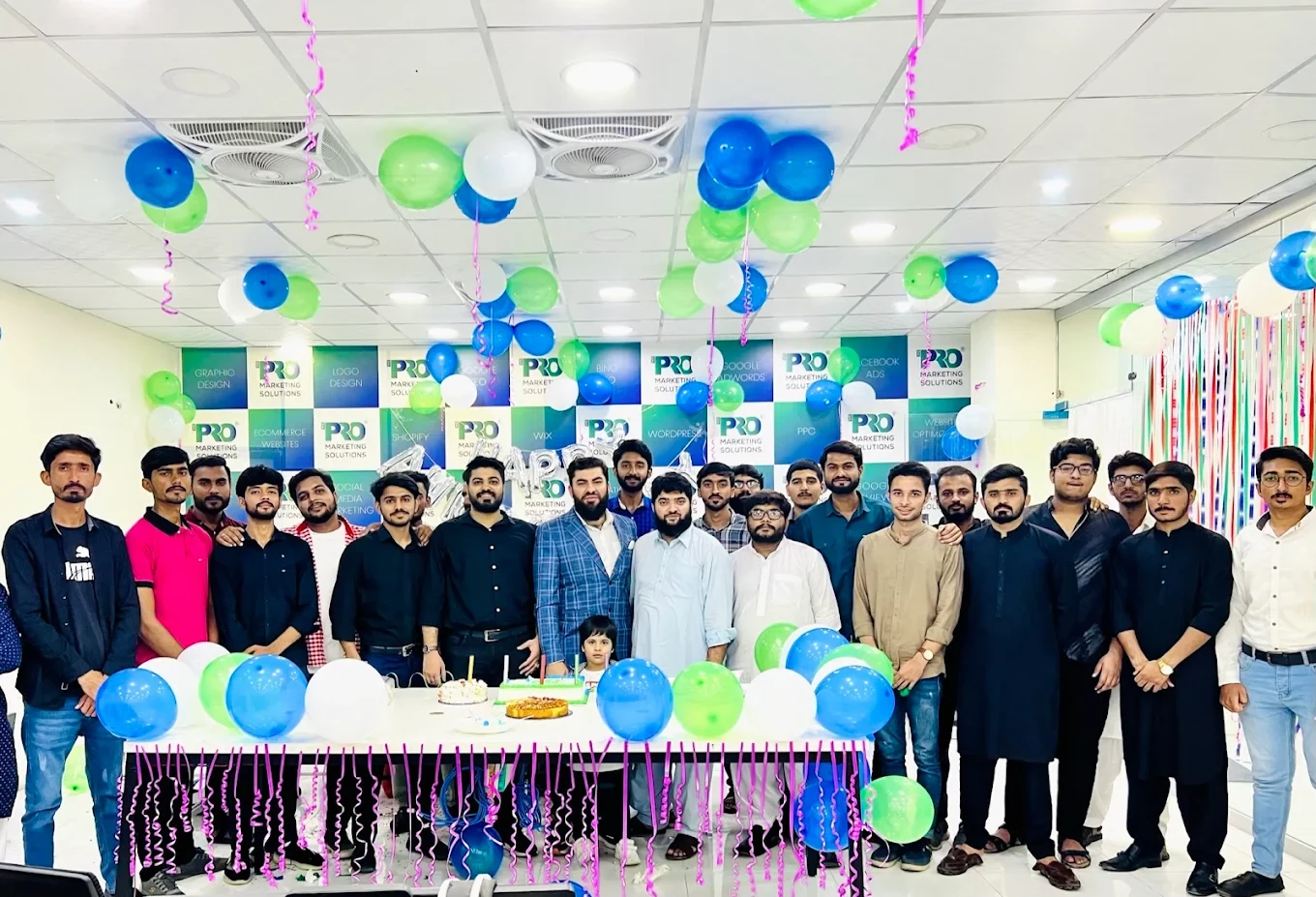

154, C1, Nespak Housing Scheme, Lahore 54770, Pakistan.
Working with a remote marketing team
You know your customers and market. Our strategists, creatives and technical specialists in Lahore help put the plan into practice. Agree the contact person, meeting times and approvals before we start.
Agree deliverables and the agency fee. Discuss ad spend and third-party tools separately.
Keep visibility and ownership. Agree access, asset licences and handover as part of the scope.
Agree a review schedule around your time zone. See what was delivered, what the numbers mean and what comes next.
Explore our Pakistan pricing guides for planning ranges and what shapes the cost. Your market, deliverables and existing setup determine the final quote; advertising spend and third-party costs are separate.
Discuss a quote for your market ↗Before the next step
A useful starting brief includes: event and tag inventory; examples of reporting disagreements; order or enquiry source records. We can agree appropriate access after the first conversation.
Review data quality against a business source of truth. Document missing coverage, consent and attribution differences.
We can discuss a one-off implementation, an ongoing scope or an initial build followed by support. The proposal states what is included, dependencies and the review points.
Agency work, media spend and third-party costs are identified separately. Your market, existing setup and delivery requirements determine the final scope and quote.
Share your website, target country and the next thing you want to improve. We’ll help you find a useful place to start.