
Analytics and Attribution
Marketing Attribution Modeling
Build attribution models that show which channels and campaigns drive real revenue.
Explore the detailGeo holdouts and conversion lift tests that prove true causal ROAS and stop you funding channels that do not actually work.

Analytics and Attribution
Geo holdouts and conversion lift tests that prove true causal ROAS and stop you funding channels that do not actually work.
Review data quality against a business source of truth. Document missing coverage, consent and attribution differences.
A closer look
The approach, practical steps and decisions behind the plan.
Digital ad spend in Pakistan keeps climbing, and so does the pressure to prove it works. Yet the gap between reported ROAS and actual business growth keeps widening for many brands. Platform dashboards show healthy returns, finance sees flat revenue, and nobody can explain the disconnect. The root cause is simple: attribution reports tell you who claimed a conversion, not who caused it. Incrementality testing is the discipline that closes that gap.
For Pakistani ecommerce, fintech, and D2C brands spending meaningfully on Meta, Google, TikTok, and YouTube, the question is no longer whether to measure incrementality but how to do it cleanly with limited data and tight budgets. Geo experiments and conversion lift studies are now the gold standard for causal measurement, and they are accessible to mid-market businesses, not just enterprises with data-science teams.
Incrementality testing is the practice of running controlled experiments to measure the genuine, causal revenue a marketing channel produces that would not have happened anyway. The key word is causal. If you turn off a channel for two weeks and sales do not drop, that channel was not incremental; it was harvesting demand created elsewhere. If sales drop by the amount you were spending, it was fully incremental.
This matters because attribution models, even sophisticated ones, fundamentally measure correlation. A retargeting campaign will always look like it has high ROAS because it serves ads to people who were about to buy anyway. Without incrementality testing, brands keep funding these non-incremental layers while starving the prospecting activity that actually creates demand. In a privacy-constrained, signal-loss world where GA4 and platform pixels undercount and misattribute, incrementality is the cleanest lens left.
The most reliable method is the geo holdout. We split your target geography into a treatment group and a matched control group that look statistically identical before the test. We run the channel only in the treatment group (or pause it only in control) for a fixed period, typically 4-8 weeks, then compare outcomes. The difference is the channel’s true incremental contribution, with confidence intervals attached.
Conversion lift studies are the second workhorse. Platforms like Meta and Google offer native lift study products that randomize exposure at the user level and measure the additional conversions generated among the exposed group versus a held-out control. These are faster than geo tests but rely on the platform’s own measurement, so we treat them as a complement, not a replacement.
Pause-and-resume and ghost-bid experiments are useful for channels where geo splits are impractical. We simply pause the channel for a defined window and observe the revenue delta, accounting for lag and carryover. Every test ends with a written readout: was the channel incremental, by how much, and what should happen to its budget as a result.
Pakistani brands operate in a measurement environment that is unusually noisy. Multi-SIM behavior, shared devices in households, weak email penetration, and heavy cash-on-delivery all undermine user-level attribution. A Karachi-based ecommerce brand might see Meta claim a sale that actually originated from a WhatsApp conversation or a friend’s referral. Bottom-up attribution cannot see any of it.
Geo experiments cut through this because they operate at the aggregate level and do not depend on tracking individuals. They also handle the cross-border angle well. A Pakistani exporter selling to the GCC can run a geo holdout split between Dubai and Abu Dhabi, or between UK regions, to test whether a channel is incremental in a specific export market before scaling spend there.
The Ramadan and Q4 peaks add urgency. Brands often panic-spend during these windows without knowing what actually moves the needle. A pre-planned incrementality test in the run-up to peak tells you which channels to lean into and which to hold steady, instead of guessing under pressure.
Retargeting and branded search campaigns routinely post ROAS of 5x or 10x while contributing near-zero incremental revenue. They harvest demand created by prospecting and organic. Incrementality testing quantifies the true lift, and brands typically find they can cut 15-30% of retargeting budget with no revenue impact, freeing it for actual growth.
Every growth team faces the scale-or-pause dilemma on channels sitting in the gray zone of ambiguous performance. A clean geo holdout resolves it definitively. If the test shows incremental lift above your target ROAS, scale confidently. If it does not, pause without regret. This removes the politics and guesswork from budget decisions.
When Meta says 4x ROAS but the P&L shows stagnant contribution margin, the gap is non-incremental spend. Incrementality testing identifies exactly which campaigns and layers are claiming credit they did not earn, so reporting finally reconciles with finance.
Incrementality testing is one of the highest-ROI measurement investments available because the savings it unlocks are immediate and recurring. A single test sprint for a mid-market Pakistani business typically runs in the low thousands of USD, with monthly retainers for ongoing test cadence scaling from there. The infrastructure footprint is light; tests rely on your existing ad platforms and a clean outcome metric, not heavy data engineering.
The ROI math is direct. Consider a Pakistani D2C brand spending PKR 30 million a year on retargeting and branded search that testing reveals is only 20% incremental. Cutting that spend in half and reallocating to proven-prospecting channels recovers roughly PKR 12 million of wasted budget annually, plus the additional revenue the reallocation generates. Most engagements pay for themselves within the first test cycle. Beyond the immediate saving, a clean incrementality program builds institutional confidence: when the CFO sees a channel backed by a real holdout rather than a platform dashboard, the conversation about scaling budget becomes a conversation about evidence instead of opinion. That shift compounds over every planning cycle that follows.
One common pitfall worth flagging is testing too many things at once. If you run overlapping geo holdouts on three channels simultaneously, the results confound each other and become uninterpretable. We sequence tests deliberately, prioritizing the channels where the budget is largest and the uncertainty highest, so each experiment produces a clean, actionable answer. Discipline in test design is what separates a measurement program that drives decisions from one that generates noise.
It is also worth setting expectations on what incrementality testing will not tell you. A geo holdout confirms whether a channel is incremental in aggregate; it does not tell you which specific campaigns or creatives inside that channel are doing the work. For that granularity you still need bottom-up attribution and creative testing layered on top. The most effective measurement stacks treat incrementality as the ground-truth anchor that calibrates everything else — once you know a channel is, say, 60% incremental, you can adjust your attribution model’s weights to reflect that reality rather than trusting platform-reported numbers at face value.
WeProms Digital runs incrementality programs from our Lahore office for clients across Karachi, Islamabad, Rawalpindi, Faisalabad, and beyond. Our embedded-partner approach means we sit inside your growth team, designing tests alongside your media buyers and reading results with your finance lead present. Most collaboration happens through video reviews, shared experiment dashboards, and async updates, so geography is never a constraint.
A typical first engagement runs 30-45 days to design and launch the initial tests, with full results and budget recommendations delivered within 2-3 months. We also support Pakistani founders operating in the UK, UAE, and North America who need clean causal measurement across complex multi-market spend. Book a free strategy call and we will outline which tests make sense for your channel mix, what volume you need for significance, and what the first 90 days should look like.
Related services
Analytics and Attribution
Build attribution models that show which channels and campaigns drive real revenue.
Explore the detailAnalytics and Attribution
Cookieless top-down measurement that quantifies each channel's true contribution and reallocates budget using econometrics.
Explore the detailAnalytics and Attribution
Create dashboards that combine ads, analytics, and CRM data in one decision view.
Explore the detailA few of the brands we’ve worked with.








See where the work happens and get to know WeProms before your first conversation. Our team is based in Lahore, working with business owners abroad and at home.
Get to know WeProms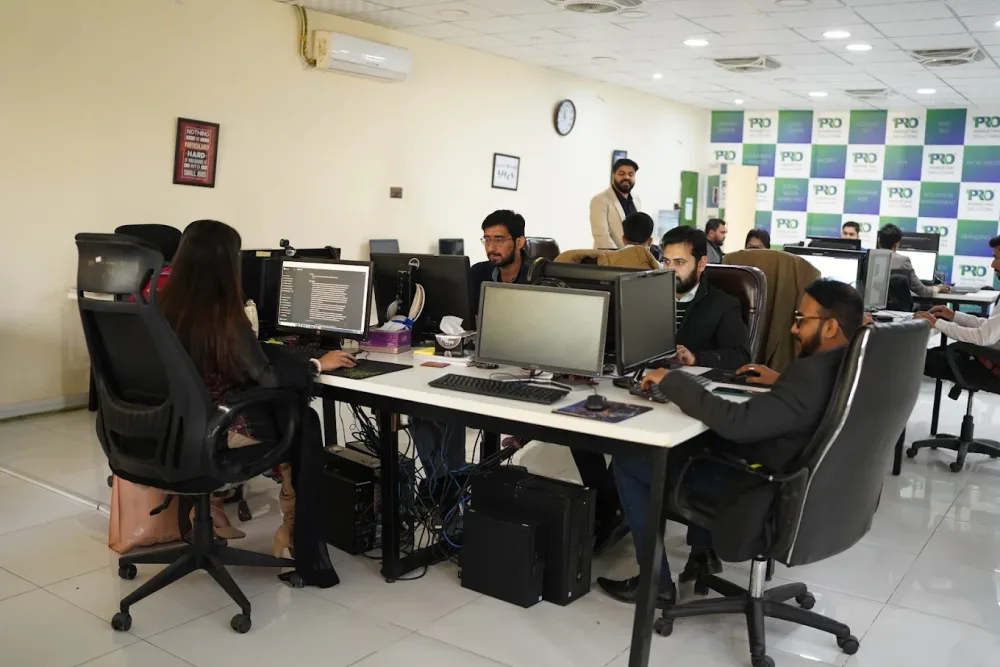 Watch our introduction
Published client experiences
Hear what working with WeProms was like, directly from our clients.
 Watch their story
Healthcare
 Watch their story
Singapore · Video production
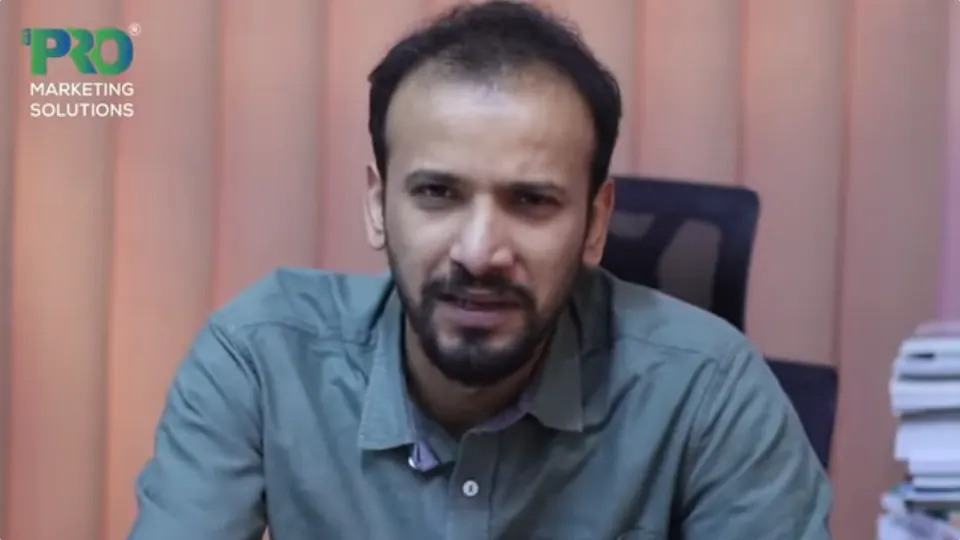 Watch their story
Education
Inside WeProms
Lahore, Pakistan
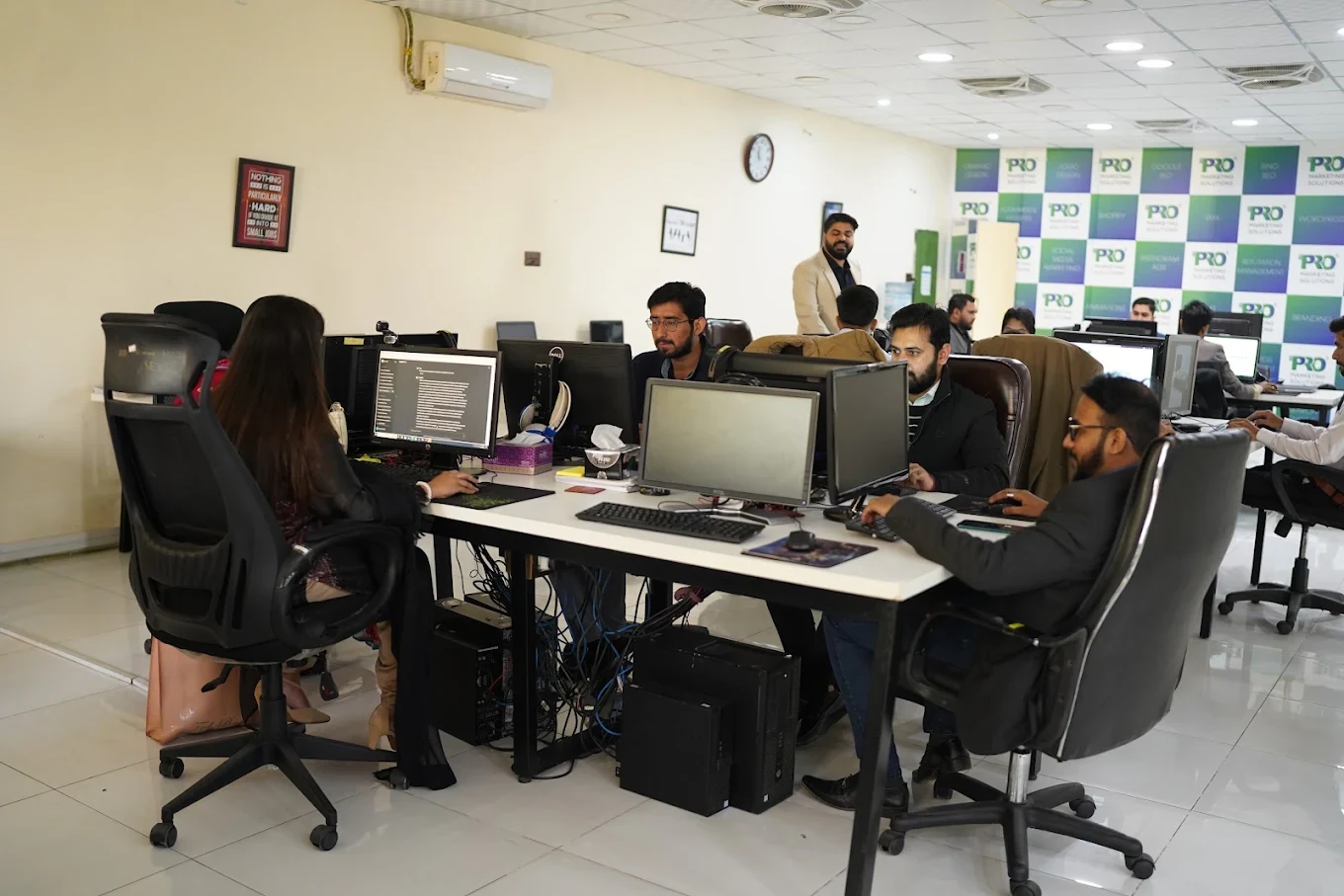

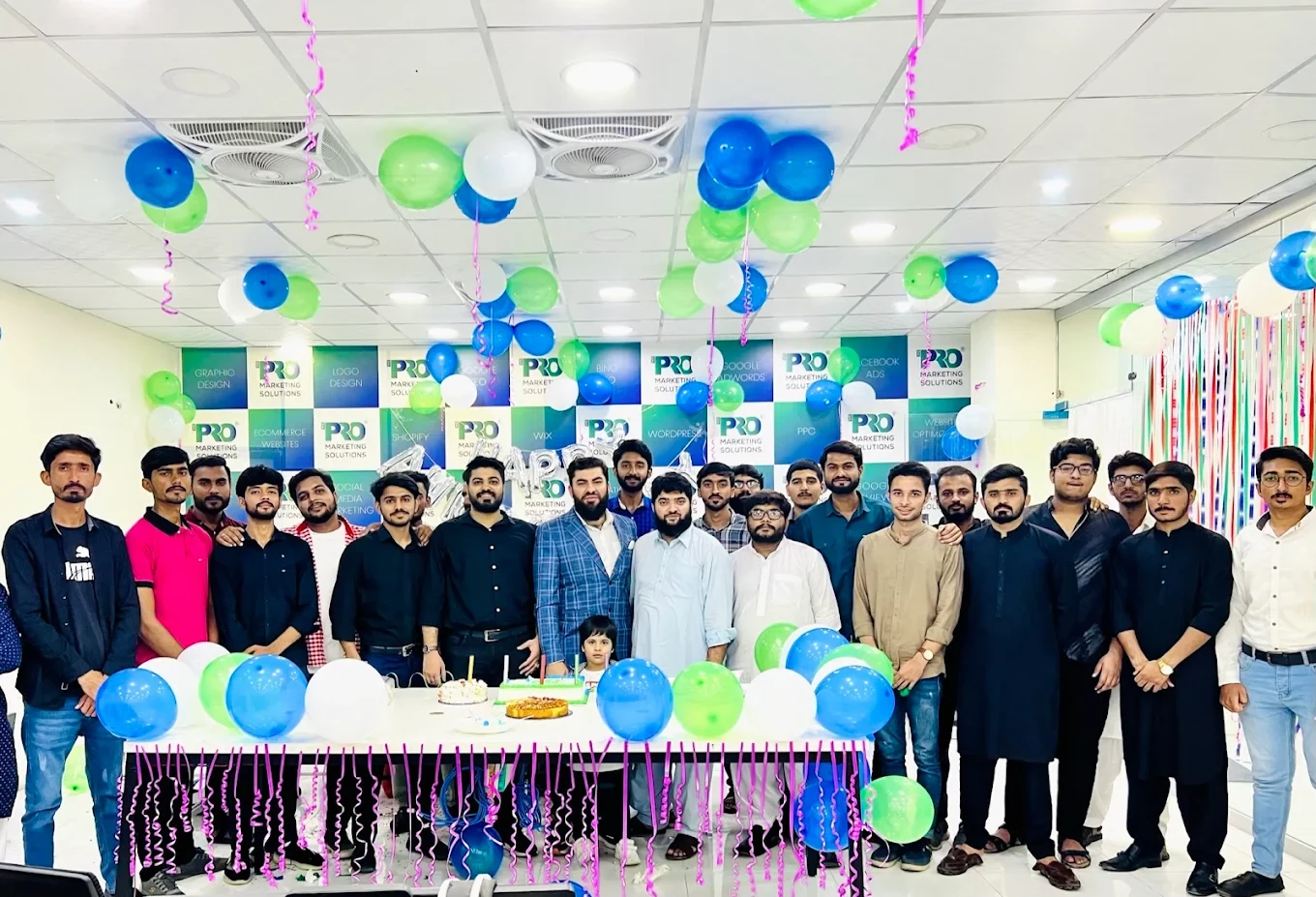

154, C1, Nespak Housing Scheme, Lahore 54770, Pakistan.
Working with a remote marketing team
You know your customers and market. Our strategists, creatives and technical specialists in Lahore help put the plan into practice. Agree the contact person, meeting times and approvals before we start.
Agree deliverables and the agency fee. Discuss ad spend and third-party tools separately.
Keep visibility and ownership. Agree access, asset licences and handover as part of the scope.
Agree a review schedule around your time zone. See what was delivered, what the numbers mean and what comes next.
Explore our Pakistan pricing guides for planning ranges and what shapes the cost. Your market, deliverables and existing setup determine the final quote; advertising spend and third-party costs are separate.
Discuss a quote for your market ↗Before the next step
A useful starting brief includes: event and tag inventory; examples of reporting disagreements; order or enquiry source records. We can agree appropriate access after the first conversation.
Review data quality against a business source of truth. Document missing coverage, consent and attribution differences.
We can discuss a one-off implementation, an ongoing scope or an initial build followed by support. The proposal states what is included, dependencies and the review points.
Agency work, media spend and third-party costs are identified separately. Your market, existing setup and delivery requirements determine the final scope and quote.
Share your website, target country and the next thing you want to improve. We’ll help you find a useful place to start.