
Marketing Automation and CRM
Marketing Automation Setup and Management
Set up automated email, CRM, and workflow systems that nurture leads and reduce manual work.
Explore the detailMigrate ESPs and CRMs — Mailchimp to Klaviyo, into HubSpot or Salesforce — without losing data, flows, or history.

Marketing Automation and CRM
Migrate ESPs and CRMs — Mailchimp to Klaviyo, into HubSpot or Salesforce — without losing data, flows, or history.
Review routing accuracy, data completeness and stage progression with the people responsible for sales.
A closer look
The approach, practical steps and decisions behind the plan.
Moving from one marketing platform to another is one of the highest-risk projects a marketing team can take on. A bad Mailchimp-to-Klaviyo migration loses segments and consent. A botched HubSpot or Salesforce rollout drops years of campaign history. And the most expensive failures are the silent ones — automations that quietly stop firing after cutover, leaving nurture sequences dead for weeks before anyone notices. WeProms Digital runs marketing platform migration in Pakistan as a disciplined engineering exercise: audit, map, rebuild, migrate, QA, cut over — with a rollback plan at every step.
The pressure to migrate is growing across Pakistan’s digital economy. Ecommerce brands that started on Mailchimp are hitting its automation limits and moving to Klaviyo for SMS and flow sophistication. B2B firms that outgrew spreadsheets are moving into HubSpot for CRM and marketing in one stack. Recent industry reports on emerging-market martech adoption show a clear pattern: companies actively consolidating or upgrading their marketing platforms in the past two years, often within 18 months of outgrowing their starter tool. Pakistan is squarely in this wave, and the teams that migrate cleanly pull ahead of those that lose a quarter to broken flows.
Marketing platform migration is the structured process of moving from one email service provider (ESP), marketing automation platform, or CRM to another — including Mailchimp to Klaviyo, HubSpot to Salesforce, or any tool into a unified stack. It covers four asset classes: contacts (with consent and history), segments and lists, automations and flows, and templates and creative assets.
It matters because these assets represent years of accumulated learning. Your abandoned-cart flow has been tuned across dozens of sends. Your segmentation reflects which customers actually buy. Your templates encode brand and deliverability reputation. A migration that treats this as a contact export-import throws all of it away. A proper migration preserves and rebuilds it.
Our migration follows six phases. Audit — we inventory every flow, segment, template, form, and contact field in the source platform, and document what each one does. Map — we build a migration map showing where each asset lands in the destination, flagging gaps where the destination’s data model differs and needs custom fields or workarounds.
Rebuild — we reconstruct flows and templates natively in the destination platform rather than importing broken copies, because flow logic rarely ports cleanly between tools. Migrate — we move contacts with full consent records, tags, custom fields, and engagement history using field mapping, and we validate counts and field completeness before proceeding. QA — we run the old and new platforms in parallel, sending test campaigns to both and comparing opens, clicks, and automation triggers. Cutover — we flip DNS, update forms and tracking, and execute the move with a documented rollback plan if anything regresses.
Pakistani teams face migration pressures that are sharper than in mature markets. Platform budgets are denominated in USD while revenue is in PKR, so overpaying for a tool you’ve outgrown — or paying for two tools in parallel during a slow migration — is a real cash drain. Ecommerce brands in Karachi and Lahore often run lean teams where no one has time to babysit a six-week migration alongside their day job. And deliverability, already tricky for senders from Pakistan-registered domains, can collapse if cutover breaks authentication or suppresses engaged contacts.
This is where Pakistan-based implementation is a structural advantage. The migration work — flow rebuilds, field mapping, QA test design, deliverability checks — is exactly the patient, technical labor our Lahore and Karachi teams specialize in. You get a migration run with the rigor of a Western consultancy at a fraction of the cost, and our familiarity with Pakistan-specific deliverability issues (local ISP filtering, domain reputation warm-up) means fewer nasty surprises post-cutover.
The classic migration failure is exporting contacts but rebuilding flows from memory — which means the new platform’s abandoned-cart flow is a vague approximation of the old one. We rebuild every flow natively and document the logic so nothing is lost in translation.
GDPR-style consent and engagement history don’t always map cleanly between platforms. We handle the field mapping explicitly, preserve consent timestamps and source, and keep engagement history so you don’t end up emailing cold or unsubscribed contacts.
The most expensive failure is the flow that stops firing after cutover without throwing an error — a welcome sequence that quietly goes dark, a win-back flow that never triggers. Our parallel-run QA catches these before cutover by comparing automation activity side by side.
Platform costs are the visible part. Klaviyo for a mid-size Pakistani D2C brand runs roughly USD 100-300/month depending on contact volume; HubSpot Marketing Hub Professional is around USD 890/month plus seat costs; Salesforce Enterprise is significantly higher. The migration itself is where budgets balloon or stay controlled — a clean Mailchimp-to-Klaviyo move from our team typically lands in the USD 2,000-5,000 range, while a full Salesforce enterprise migration can run USD 15,000-40,000 depending on complexity. Compare that to UK or US agencies charging two to four times more for the same engineering, and the Pakistan delivery advantage is clear.
The ROI shows up in two places. First, avoiding the silent failure tax — a single dead abandoned-cart flow on a Karachi store doing PKR 5M/month in email-attributed revenue costs roughly PKR 750,000 over a quarter if it goes unnoticed. Second, the performance lift from a better-suited platform — brands moving from Mailchimp to Klaviyo routinely see 15-30% higher email revenue from stronger segmentation and SMS, which recovers the migration cost inside the first 60 days.
We deliver migrations across Pakistan — Lahore, Karachi, Islamabad, Faisalabad, Sialkot, and beyond — with a remote-first model built around shared migration trackers, video walkthroughs, and async QA sign-offs. Typical timelines run three to eight weeks depending on platform complexity and contact volume, with a defined audit phase, rebuild phase, parallel-run QA, and cutover window.
We work as an embedded technical partner: your marketing team keeps running campaigns, and we handle the migration plumbing — the field maps, the flow rebuilds, the QA test design, the deliverability setup. You get a documented migration plan before we start, weekly progress reporting during the move, and a post-cutover optimization window to tune the new platform. Every engagement starts with a free strategy call to scope the move, and we stand behind the work with a 30-day money-back guarantee if the migration doesn’t deliver as scoped.
Related services
Marketing Automation and CRM
Set up automated email, CRM, and workflow systems that nurture leads and reduce manual work.
Explore the detailLifecycle and Retention Marketing
Maximize customer lifetime value with Klaviyo email automation, segmentation, and personalized lifecycle marketing.
Explore the detailMarketing Automation and CRM
Implement and optimize HubSpot CRM, marketing automation, and revenue operations for unified growth systems.
Explore the detailA few of the brands we’ve worked with.








See where the work happens and get to know WeProms before your first conversation. Our team is based in Lahore, working with business owners abroad and at home.
Get to know WeProms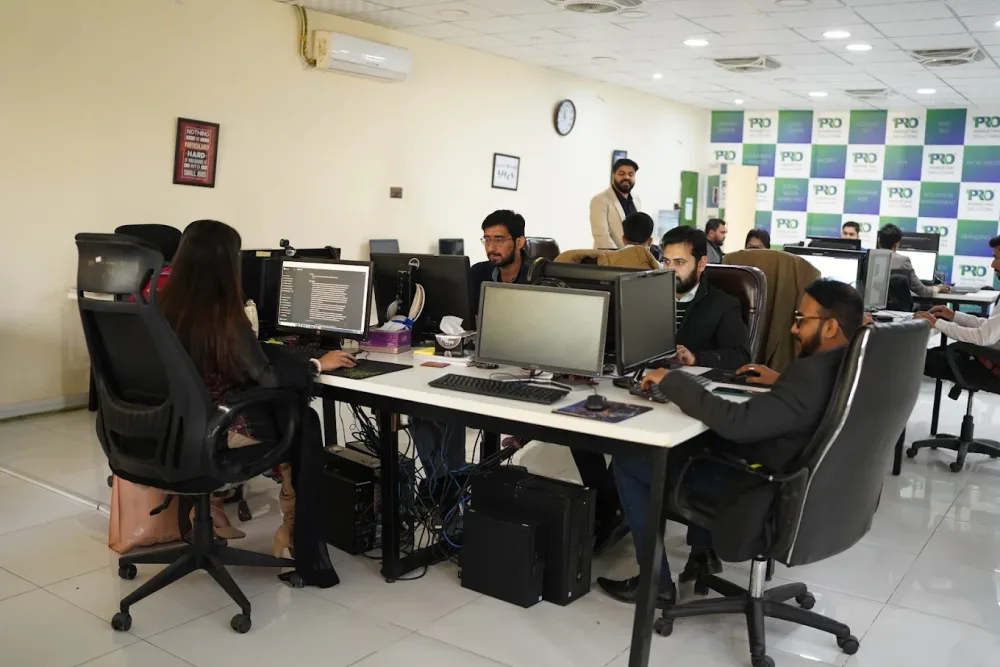 Watch our introduction
Published client experiences
Hear what working with WeProms was like, directly from our clients.
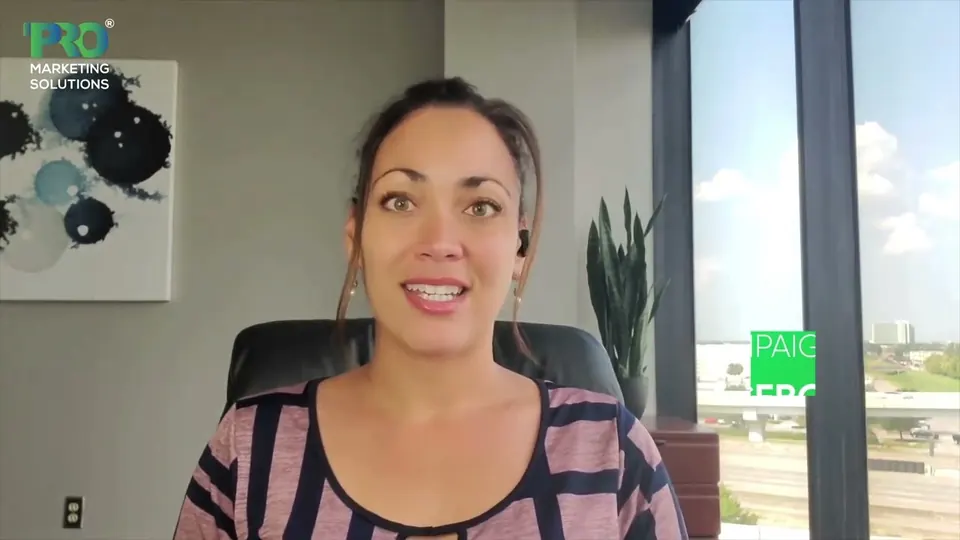 Watch their story
Their business journey
 Watch their story
Client feedback
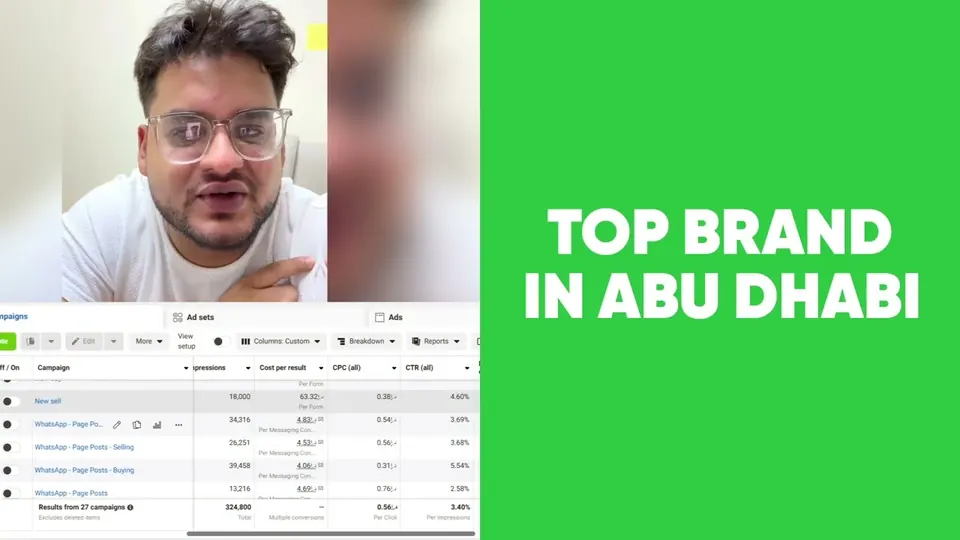 Watch their story
Working with WeProms
Inside WeProms
Lahore, Pakistan
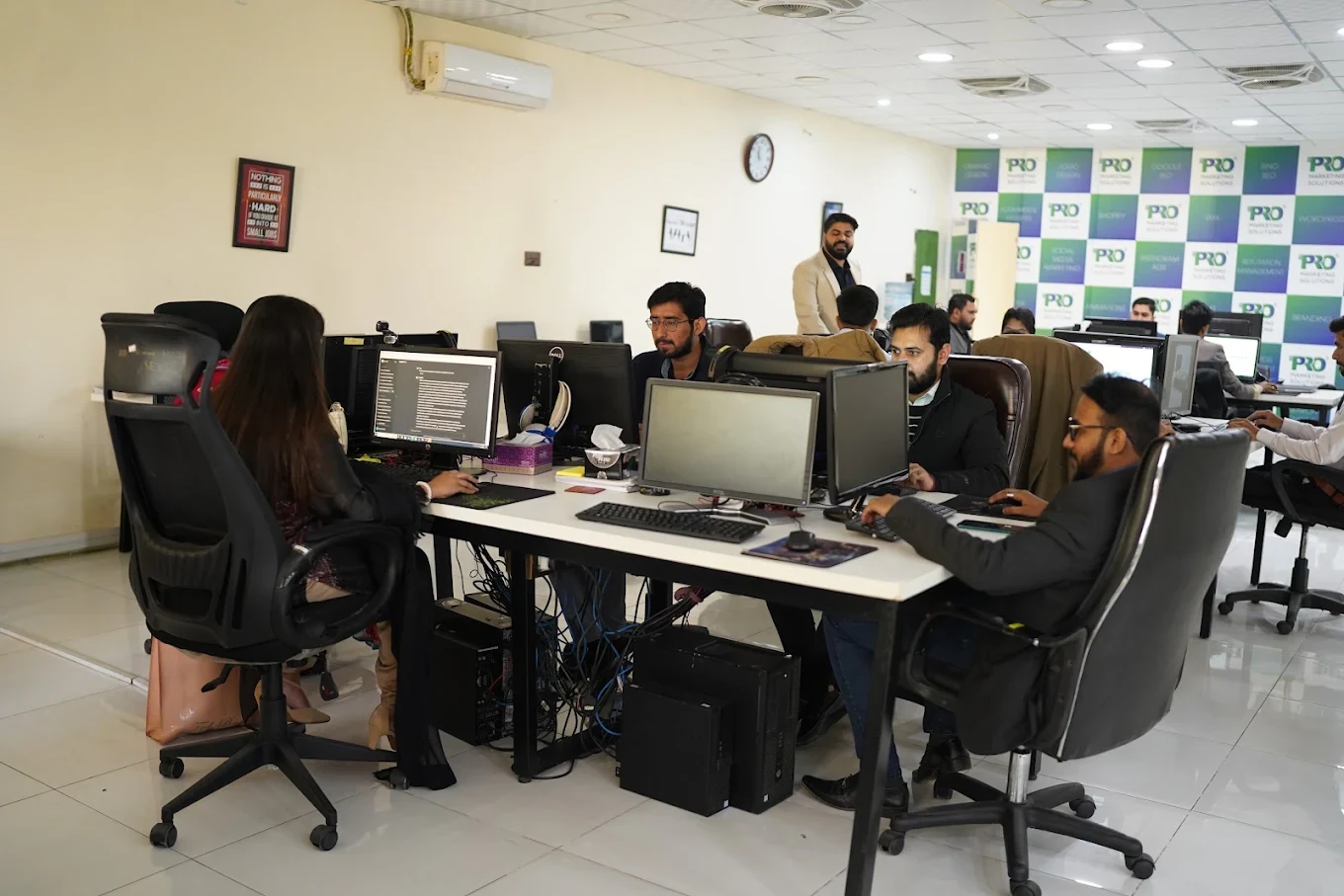


154, C1, Nespak Housing Scheme, Lahore 54770, Pakistan.
Working with a remote marketing team
You know your customers and market. Our strategists, creatives and technical specialists in Lahore help put the plan into practice. Agree the contact person, meeting times and approvals before we start.
Agree deliverables and the agency fee. Discuss ad spend and third-party tools separately.
Keep visibility and ownership. Agree access, asset licences and handover as part of the scope.
Agree a review schedule around your time zone. See what was delivered, what the numbers mean and what comes next.
Explore our Pakistan pricing guides for planning ranges and what shapes the cost. Your market, deliverables and existing setup determine the final quote; advertising spend and third-party costs are separate.
Discuss a quote for your market ↗Before the next step
A useful starting brief includes: current pipeline stages; ownership and routing rules; field and integration inventory. We can agree appropriate access after the first conversation.
Review routing accuracy, data completeness and stage progression with the people responsible for sales.
We can discuss a one-off implementation, an ongoing scope or an initial build followed by support. The proposal states what is included, dependencies and the review points.
Agency work, media spend and third-party costs are identified separately. Your market, existing setup and delivery requirements determine the final scope and quote.
Share your website, target country and the next thing you want to improve. We’ll help you find a useful place to start.