
Marketing Automation and CRM
Marketing Automation Setup and Management
Set up automated email, CRM, and workflow systems that nurture leads and reduce manual work.
Explore the detailWe build and tidy ActiveCampaign accounts — automation workflows, deal pipelines, lead scoring, and segmentation that turn contact chaos into a predictable nurture and sales engine.
Marketing Automation and CRM
We build and tidy ActiveCampaign accounts — automation workflows, deal pipelines, lead scoring, and segmentation that turn contact chaos into a predictable nurture and sales engine.
Review routing accuracy, data completeness and stage progression with the people responsible for sales.
A closer look
The approach, practical steps and decisions behind the plan.
ActiveCampaign is one of the most capable automation platforms in its price range, and that’s exactly why it tends to get messy. Teams build a welcome automation here, a cart-abandonment flow there, add tags whenever a new idea comes up, and within eighteen months the account is full of half-finished workflows, contradictory tags, and contacts receiving messages they should never see. The automation builder keeps working — the problem is that nobody fully understands what’s already in there.
We rebuild and set up ActiveCampaign accounts so the platform does what it was supposed to do: move the right contact through the right sequence at the right time, hand genuinely ready leads to sales, and leave you with a structure you can actually maintain.
The most common issue we see is automation logic that never fully closes. Contacts enter a nurture sequence and stay in it because there’s no exit condition, no goal, and no check on whether they’ve already converted. Tags compound without a naming convention, so lead-magnet-2023 and lead_magnet_q3 both exist and nobody remembers which is active.
Site Tracking is frequently installed incorrectly or not at all, which silently disables every behaviour-based trigger and segment in the account — the automations look like they should work, and no one realises the underlying trigger data is missing.
The CRM side tends to drift too. Deal pipelines were set up once with generic stages that don’t reflect how the team actually sells, win probability is meaningless, and deals sit in stages for weeks because nothing moves them. And lead scoring, when it exists at all, is often configured so loosely that every contact crosses the hot threshold and sales quietly stops trusting it.
Before any new automation, we sort out the data layer. That means a clean tag taxonomy with a naming convention your team can follow, the custom fields you genuinely need, and a defensible decision on what lives on a list versus what lives on a tag. ActiveCampaign pushes tag-based segmentation hard, and most messy accounts are messy because that distinction was never made.
We then rebuild the automation map properly. Welcome and onboarding sequences get clear goals and exit conditions. Nurture flows branch on real behaviour — pages visited, emails opened, products viewed — rather than sending everyone down one path. Reactivation automations fire when engagement actually drops, not on a fixed calendar. And where it matters, we add split tests so you’re comparing versions instead of guessing.
For the CRM, we map pipeline stages to your actual sales motion, set realistic win probability per stage, and automate stage movement based on contact activity — a deal moves when the contact takes a defined action, not when someone remembers to drag it.
Behaviour-based automation only works if the tracking is correctly installed, so we make Site Tracking and Event Tracking a first-class part of every build. We verify the snippet is firing on the pages that matter and that events from your website or app are landing in the contact record.
Where ecommerce is involved, we connect Shopify, WooCommerce, or Stripe through ActiveCampaign’s native and deep data integrations and build the flows that actually move revenue: browse, cart abandonment, post-purchase, cross-sell, and win-back. Each one triggers on real purchase and browsing data, with conditional content that reflects what the customer actually did rather than a one-size-fits-all template.
We don’t just wire up empty containers. We write the email copy for the sequences, build on-brand templates with conditional content blocks where relevant, and configure send-time and deliverability settings — including domain authentication where the account needs it.
Before anything goes live, the full journey runs through test contacts. We check that branching sends people the right way, that waits and goals behave, that tags are applied and removed as intended, and that nothing reaches a real contact until it’s been signed off.
You finish with a documented account — a tag map, field definitions, an automation map with notes on what each flow does and why, and a playbook your team can extend without breaking the existing logic. That documentation is the difference between an account that stays clean and one that quietly drifts back into chaos in six months.
If you’d rather not own the day-to-day, we can stay on for ongoing optimisation, split testing, and new flow builds as your campaigns evolve. Tell us what your ActiveCampaign account is supposed to be doing — start with a quick conversation and we’ll map out what it’ll take to get it there.
Related services
Marketing Automation and CRM
Set up automated email, CRM, and workflow systems that nurture leads and reduce manual work.
Explore the detailLifecycle and Retention Marketing
Build lifecycle email flows that increase retention, repeat purchases, and customer value.
Explore the detailLifecycle and Retention Marketing
Create behavior-based segments and personalized messaging across lifecycle channels.
Explore the detailA few of the brands we’ve worked with.








See where the work happens and get to know WeProms before your first conversation. Our team is based in Lahore, working with business owners abroad and at home.
Get to know WeProms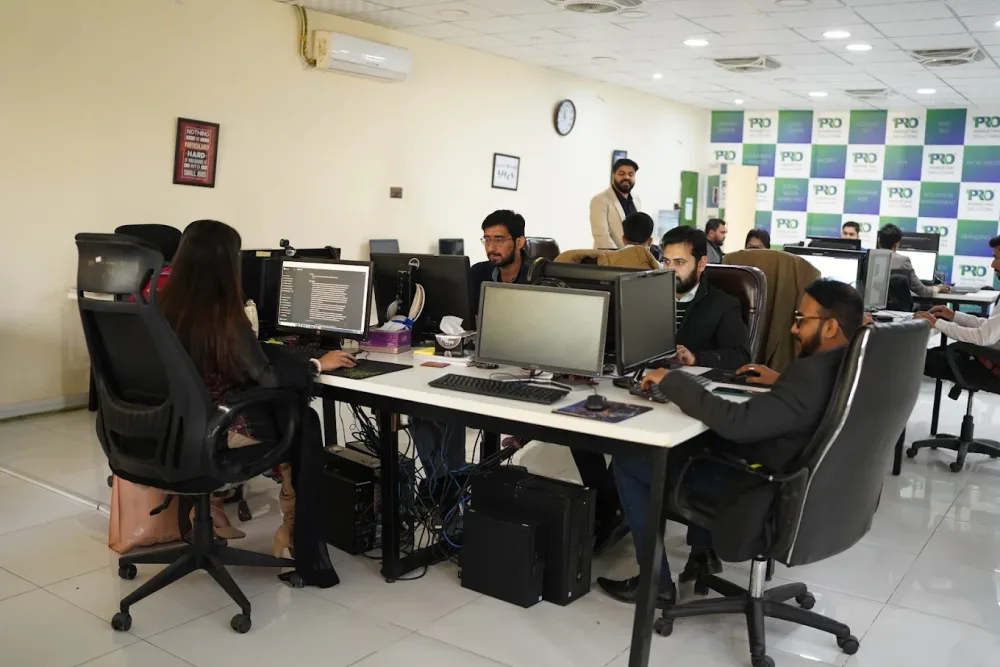 Watch our introduction
Published client experiences
Hear what working with WeProms was like, directly from our clients.
 Watch their story
Their business journey
 Watch their story
Client feedback
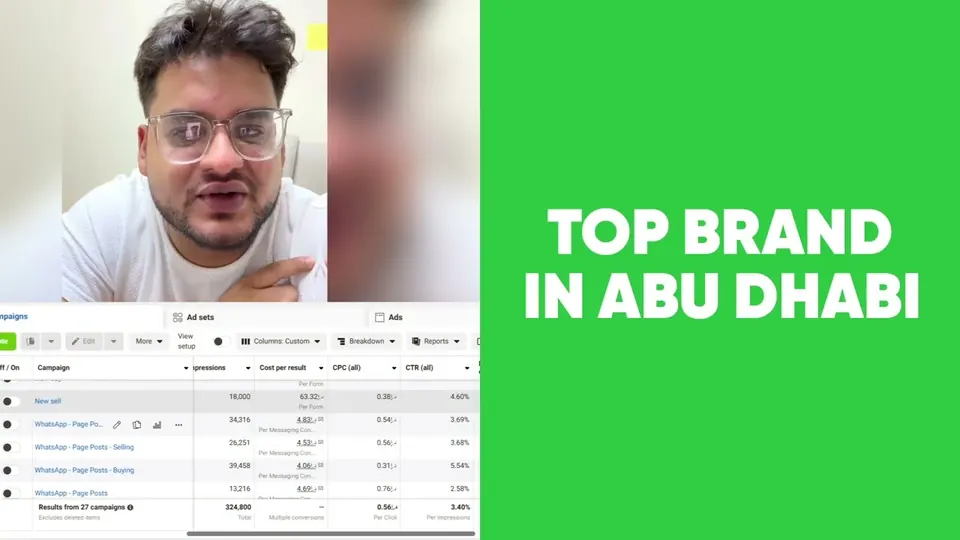 Watch their story
Working with WeProms
Inside WeProms
Lahore, Pakistan
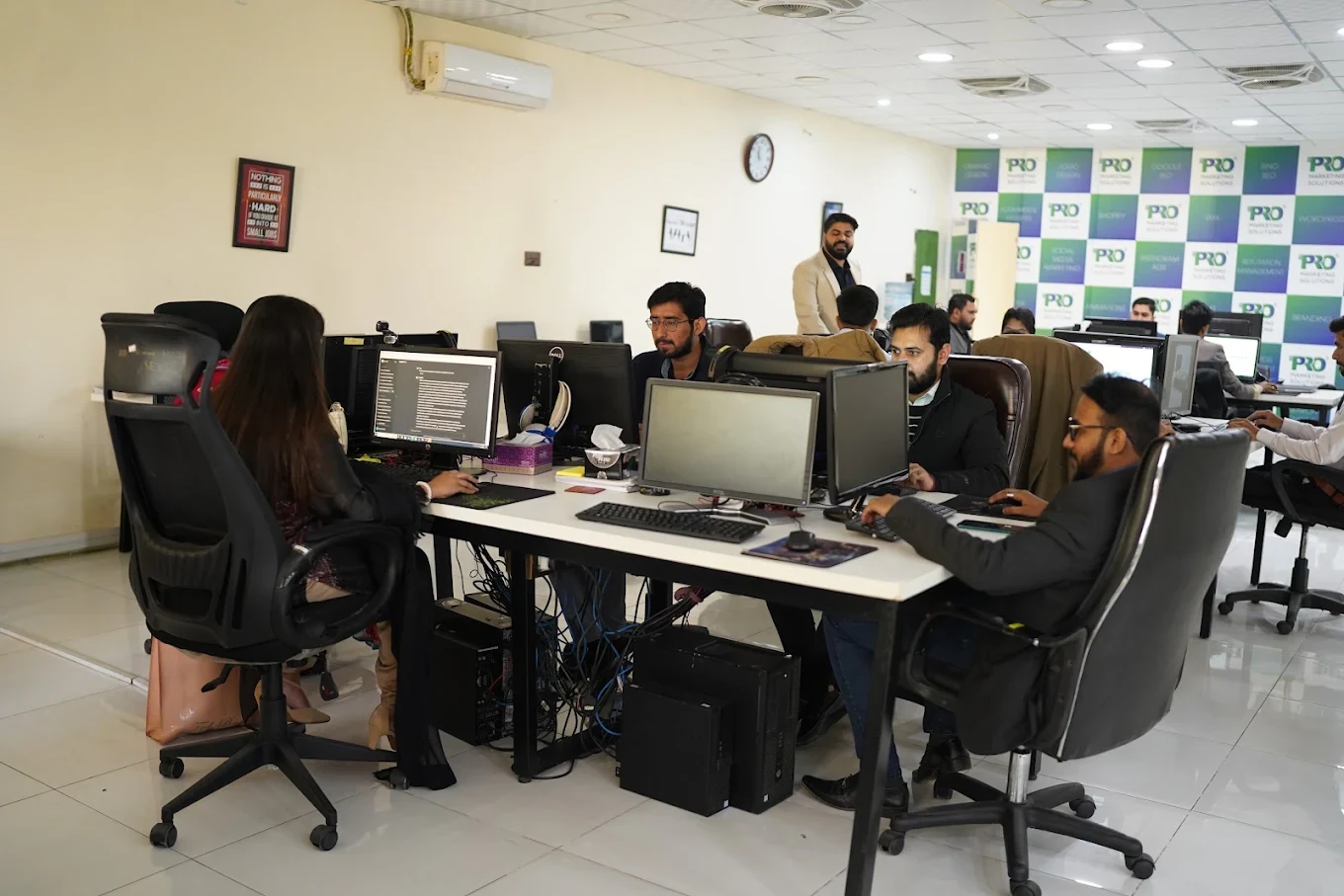

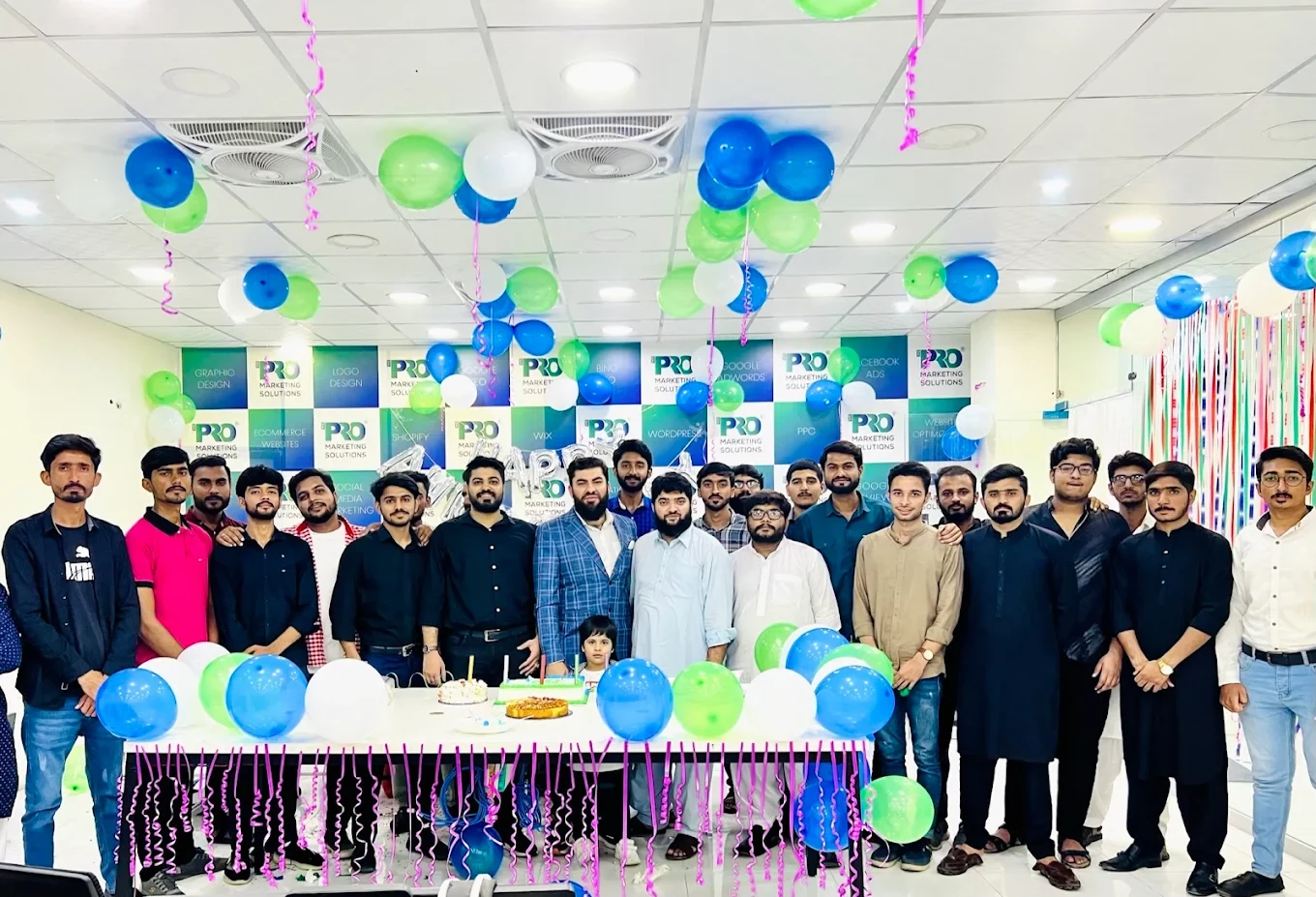

154, C1, Nespak Housing Scheme, Lahore 54770, Pakistan.
Working with a remote marketing team
You know your customers and market. Our strategists, creatives and technical specialists in Lahore help put the plan into practice. Agree the contact person, meeting times and approvals before we start.
Agree deliverables and the agency fee. Discuss ad spend and third-party tools separately.
Keep visibility and ownership. Agree access, asset licences and handover as part of the scope.
Agree a review schedule around your time zone. See what was delivered, what the numbers mean and what comes next.
Explore our Pakistan pricing guides for planning ranges and what shapes the cost. Your market, deliverables and existing setup determine the final quote; advertising spend and third-party costs are separate.
Discuss a quote for your market ↗Before the next step
A useful starting brief includes: current pipeline stages; ownership and routing rules; field and integration inventory. We can agree appropriate access after the first conversation.
Review routing accuracy, data completeness and stage progression with the people responsible for sales.
We can discuss a one-off implementation, an ongoing scope or an initial build followed by support. The proposal states what is included, dependencies and the review points.
Agency work, media spend and third-party costs are identified separately. Your market, existing setup and delivery requirements determine the final scope and quote.
Share your website, target country and the next thing you want to improve. We’ll help you find a useful place to start.