Conversion Rate Optimization
Conversion Rate Optimization Programme
Run structured A/B testing to improve conversion rates across key pages and funnels.
Explore the detailImprove mobile UX and funnel flow to increase conversion rates from smartphone traffic.
Conversion Rate Optimization
Improve mobile UX and funnel flow to increase conversion rates from smartphone traffic.
Review meaningful outcomes and experiment conditions. Keep inconclusive findings and reversals visible alongside wins.
A closer look
The approach, practical steps and decisions behind the plan.
Mobile conversion optimization is the systematic process of improving the percentage of smartphone visitors who complete desired actions on your website or app. This specialized form of conversion rate optimization focuses specifically on the unique challenges and opportunities of mobile user experience, where screen size limitations, touch interactions, network constraints, and mobile-specific user behaviours require distinct optimization approaches.
Mobile traffic now dominates digital experiences globally, and this trend is even more pronounced in Pakistan. Data from the Pakistan Telecommunication Authority indicates that over 85% of internet users in Pakistan access the web primarily through mobile devices. For ecommerce sites, mobile traffic often exceeds 80% of total visits, making mobile optimization not a nice-to-have but a business necessity.
Despite mobile traffic dominance, mobile conversion rates consistently lag behind desktop. According to Monetate’s 2025 research, desktop conversion rates average 3.8% while mobile conversion rates average only 2.2% — a 42% gap. This gap represents significant unrealized revenue for businesses that have not invested in mobile-specific optimization.
Mobile conversion optimization matters for Pakistani businesses because mobile is where your customers are. With smartphone penetration exceeding 50% of the population and 4G coverage now available in most urban and many rural areas, mobile devices are the primary internet access method for the majority of Pakistani consumers.
The conversion gap between mobile and desktop is particularly pronounced in Pakistan. Assess commercial value against actual spend, margin and confirmed business outcomes.
For a business in Lahore or Karachi receiving 100,000 monthly mobile visitors with a 1.2% conversion rate, improving mobile conversion to 1.8% generates 600 additional conversions per month without increasing traffic. When each conversion is worth PKR 5,000, that represents PKR 3 million in additional monthly revenue from optimization alone.
Furthermore, Google uses mobile-first indexing, meaning your mobile site performance directly impacts search rankings. Poor mobile experiences hurt not just conversions but also organic visibility, compounding the negative impact on business results.
Mobile conversion optimization follows a structured methodology adapted for the specific challenges of mobile user experience. The process addresses mobile-specific friction points while testing and validating improvements.
The optimization process begins with a comprehensive audit of the current mobile experience. This includes technical analysis (page speed, Core Web Vitals, responsive design issues), usability analysis (navigation, form completion, touch target sizes), and behavioural analysis (mobile funnel performance, exit points, session recordings).
For Pakistani websites, we test across the range of devices common in the market: various Android smartphones (Samsung, Xiaomi, Infinix, Tecno, and others), iPhones, and tablets. Network conditions are also tested, simulating 3G, 4G, and WiFi experiences to ensure the site performs across the connectivity landscape.
Key metrics analysed include: mobile bounce rate (typically higher than desktop but should not exceed 60%), mobile page load time (target under 3 seconds on 3G), mobile conversion rate compared to desktop, mobile add-to-cart rates, and mobile form completion rates.
Mobile user experience differs fundamentally from desktop. Smaller screens require simplified layouts. Touch interactions require larger targets. Mobile users are often task-focused and distracted, requiring clearer navigation paths. Mobile UX optimization addresses these realities.
Key optimization areas include: thumb-friendly navigation and button placement (critical elements within thumb reach), simplified form design (larger inputs, fewer fields, mobile-optimized keyboards), streamlined checkout flows (reduced steps, autocomplete, minimal typing), and prioritized content hierarchy (most important content visible without scrolling).
For Pakistani audiences, we also optimize for local mobile behaviours. This includes optimizing for one-handed use (common on public transportation), ensuring readability in various lighting conditions, and designing for quick task completion during short mobile sessions.
Page speed is critical for mobile conversion. Google research shows that as page load time increases from 1 to 3 seconds, the probability of bounce increases by 32%. On mobile networks, page speed challenges are amplified by variable connection quality.
Mobile page speed optimization includes: image compression and modern format adoption (WebP, AVIF), code minification and lazy loading, server response time optimization, CDN implementation for Pakistani users, and critical CSS rendering optimization.
For businesses targeting Pakistani mobile users, we optimize specifically for local network conditions. This includes testing on 3G connections common outside urban centres and ensuring core functionality works even on slower connections.
Forms are where mobile conversion happens — and where mobile friction is most painful. Typing on mobile keyboards is slower and more error-prone than desktop. Form optimization addresses these challenges through design and technical implementation.
Optimization techniques include: reducing form fields to minimum necessary, using appropriate input types (tel for phone numbers, email for email addresses) to trigger correct keyboards, implementing autocomplete for addresses and contact information, using inline validation to catch errors immediately, and providing clear input masks for formatted fields like phone numbers.
For Pakistani forms, we optimize for local data formats including Pakistani phone numbers (+92 format), CNIC numbers where required, and Pakistani address structures. Payment form optimization includes appropriate fields for JazzCash, EasyPaisa, and card payments.
Mobile checkout is where the highest-value conversions occur — and where the most friction typically exists. Optimizing mobile checkout addresses the specific challenges of completing purchases on small screens with touch interfaces.
Checkout optimization includes: single-page or minimal-step checkout design, guest checkout options (forced account creation causes 25% of abandonments), clear progress indicators, persistent cart summaries, mobile-optimized payment method selection, and error handling that does not force form re-entry.
For Pakistani ecommerce, checkout optimization also addresses COD-specific flows, mobile wallet payment integration (JazzCash, EasyPaisa), and order confirmation processes optimized for mobile messaging.
All mobile optimizations are validated through A/B testing. We run mobile-specific tests comparing current mobile experiences against optimized variants. Tests measure impact on mobile conversion rates, add-to-cart rates, form completion rates, and revenue.
Testing follows statistical rigour with tests running until achieving 95% confidence. Insights from each test inform subsequent optimization rounds, building cumulative improvement over time.
Results depend on starting mobile experience quality and traffic volume, but benchmarks provide realistic expectations. Measure completed actions against your starting conversion rate and the quality of the traffic. Agree a baseline and evaluate observed changes within the conditions of the engagement.
Mobile conversion rate improvement from 1.5% to 2.5% represents a 67% increase in mobile conversions. For a site with 100,000 monthly mobile visitors, this translates to 1,000 additional conversions. The revenue impact scales with conversion value.
Page speed improvements also impact bounce rates and SEO rankings. Improving mobile page load time from 5 seconds to 2 seconds can reduce bounce rates by 20-30% and improve search visibility, compounding the conversion rate improvements.
We optimize for the full range of mobile experiences relevant to Pakistani users:
Android Smartphones: Android dominates the Pakistani mobile market with over 90% share. We test across major brands (Samsung, Xiaomi, Infinix, Tecno, Realme, Vivo) and screen sizes. Optimization addresses both flagship devices and budget smartphones common in the market.
iPhones: While smaller market share, iPhone users often have higher conversion rates and average order values. iOS-specific optimization addresses Safari rendering, iOS keyboard behaviours, and Apple Pay integration where relevant.
Mobile Browsers: Chrome mobile, Safari mobile, Samsung Internet, and UC Browser (popular in Pakistan) are all tested to ensure consistent experience across browser choice.
Progressive Web Apps: For businesses with PWA implementations, we optimize the app-like experience including offline functionality, push notifications, and add-to-homescreen flows.
Any business with significant mobile traffic should invest in mobile conversion optimization. This includes essentially every business with a digital presence in Pakistan, given mobile traffic dominance.
Ecommerce stores, lead generation businesses, service providers, and content publishers all benefit from mobile optimization. Businesses seeing high mobile traffic but low mobile conversion relative to desktop should prioritize mobile optimization to close the gap.
For businesses in Lahore, Karachi, and Islamabad, mobile optimization is particularly important as urban Pakistani consumers are highly mobile-active and have elevated expectations for mobile experiences.
Initial mobile optimization audit and quick fixes typically take 2-3 weeks. These early improvements often address obvious issues like broken mobile layouts, oversized images, and touch target problems. Quick wins can improve mobile conversion rates by 10-20%.
Comprehensive mobile optimization programmes run 3-6 months, implementing and testing improvements across forms, checkout, page speed, and navigation. Cumulative improvements of 30-50% are typical for businesses that commit to systematic mobile optimization.
Ongoing mobile optimization is recommended as mobile technology, user expectations, and competitive landscape continue evolving. Regular mobile audits ensure continued performance.
We deliver mobile conversion optimization services for businesses across Pakistan from our Lahore base. Our understanding of Pakistani mobile infrastructure, device preferences, network conditions, and user behaviours ensures optimizations are relevant and effective for local mobile audiences.
We understand the specific challenges of the Pakistani mobile landscape: 3G/4G network quality variations, the dominance of Android devices, popular mobile wallets (JazzCash, EasyPaisa), and the importance of mobile messaging for customer communication. These factors are integrated into every mobile optimization recommendation.
Related services
Conversion Rate Optimization
Run structured A/B testing to improve conversion rates across key pages and funnels.
Explore the detailConversion Rate Optimization
Design and optimize landing pages that improve lead quality and campaign ROI.
Explore the detailConversion Rate Optimization
Audit user behavior and friction points to identify high-impact conversion fixes.
Explore the detailA few of the brands we’ve worked with.








See where the work happens and get to know WeProms before your first conversation. Our team is based in Lahore, working with business owners abroad and at home.
Get to know WeProms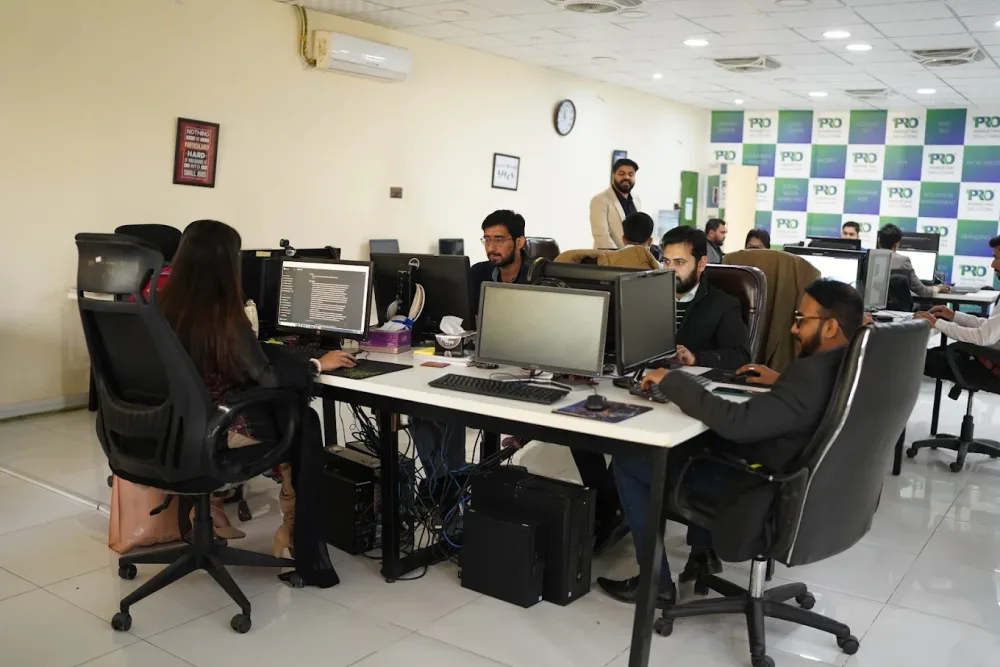 Watch our introduction
Published client experiences
Hear what working with WeProms was like, directly from our clients.
 Watch their story
Healthcare
 Watch their story
Singapore · Video production
 Watch their story
Education
Inside WeProms
Lahore, Pakistan
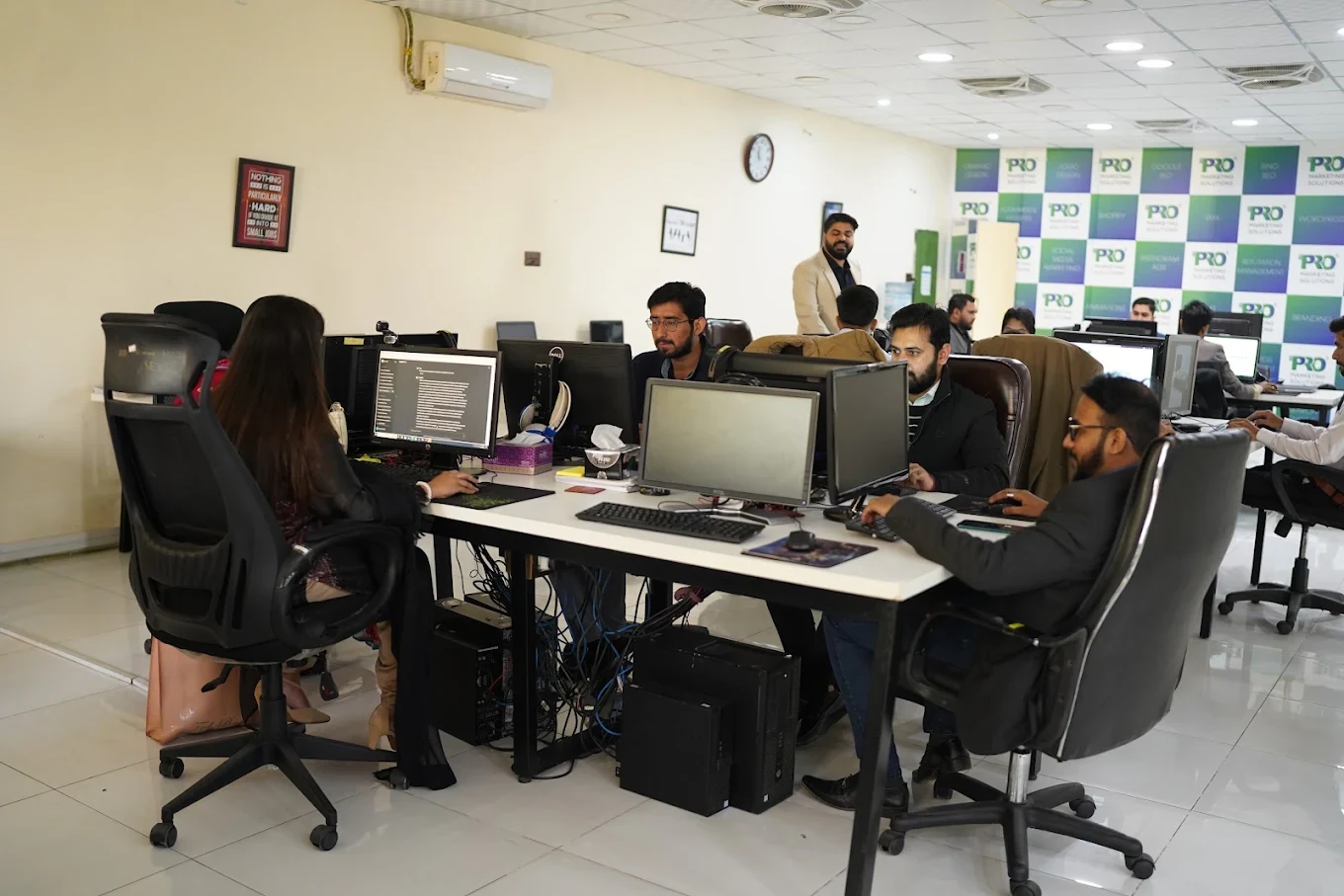

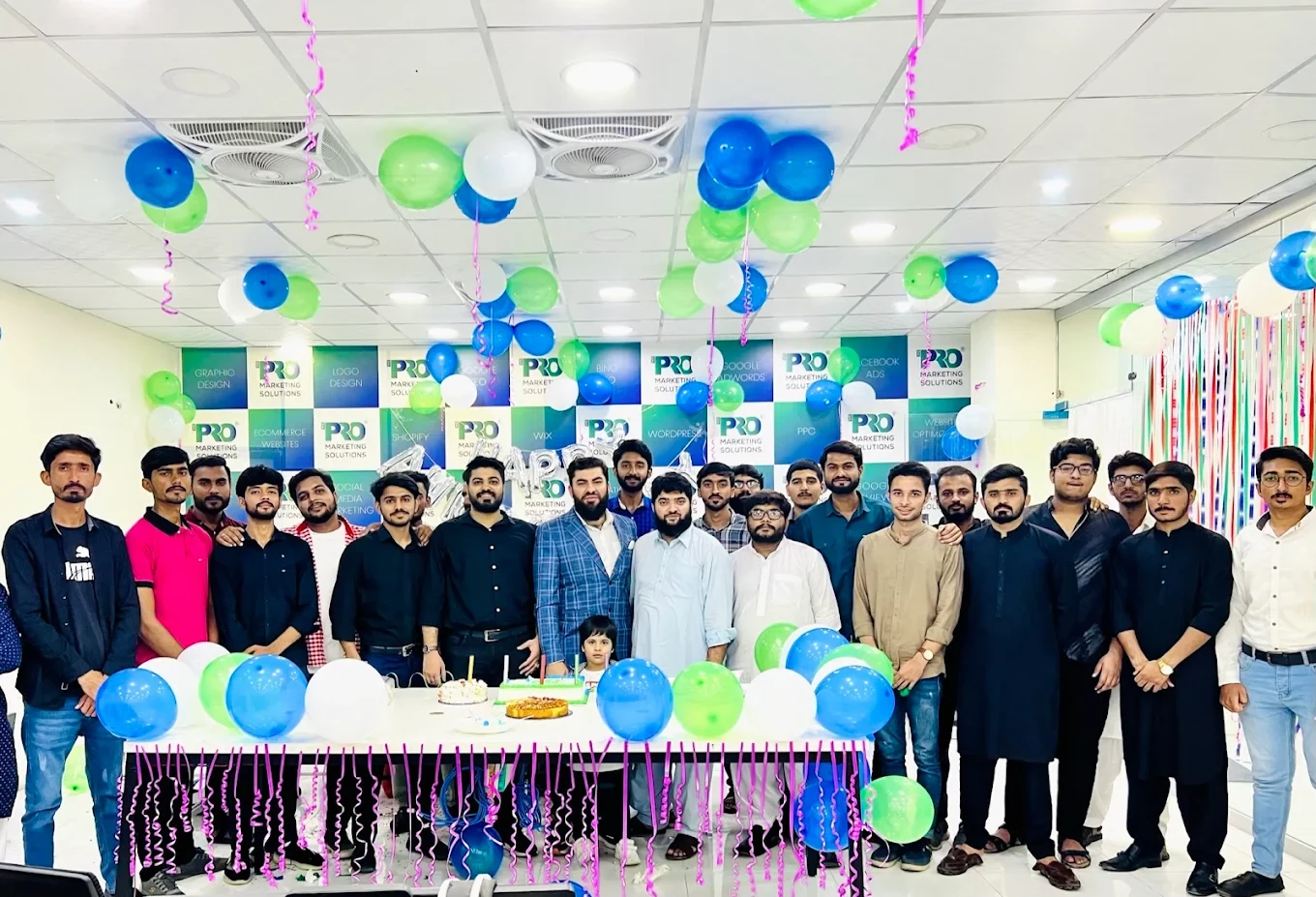
154, C1, Nespak Housing Scheme, Lahore 54770, Pakistan.
Working with a remote marketing team
You know your customers and market. Our strategists, creatives and technical specialists in Lahore help put the plan into practice. Agree the contact person, meeting times and approvals before we start.
Agree deliverables and the agency fee. Discuss ad spend and third-party tools separately.
Keep visibility and ownership. Agree access, asset licences and handover as part of the scope.
Agree a review schedule around your time zone. See what was delivered, what the numbers mean and what comes next.
Explore our Pakistan pricing guides for planning ranges and what shapes the cost. Your market, deliverables and existing setup determine the final quote; advertising spend and third-party costs are separate.
Discuss a quote for your market ↗Before the next step
A useful starting brief includes: conversion and business definitions; journey data and customer feedback; implementation capacity and constraints. We can agree appropriate access after the first conversation.
Review meaningful outcomes and experiment conditions. Keep inconclusive findings and reversals visible alongside wins.
We can discuss a one-off implementation, an ongoing scope or an initial build followed by support. The proposal states what is included, dependencies and the review points.
Agency work, media spend and third-party costs are identified separately. Your market, existing setup and delivery requirements determine the final scope and quote.
Share your website, target country and the next thing you want to improve. We’ll help you find a useful place to start.