


Digital Marketing
Digital Marketing Agency
Full-service digital marketing agency providing integrated strategy, execution, and optimization for Pakistani businesses seeking measurable growth.
Explore the detailPlanned, written, and on-page optimized blog articles that target real search demand and earn organic traffic over time. WeProms handles keyword research, content briefs, drafts, SEO markup, and publishing so your blog compounds instead of stalling.
Content and Creative Marketing
Planned, written, and on-page optimized blog articles that target real search demand and earn organic traffic over time. WeProms handles keyword research, content briefs, drafts, SEO markup, and publishing so your blog compounds instead of stalling.
Review whether the work serves its audience and role in the journey. Use relevant readership, enquiries and sales feedback.
A closer look
The approach, practical steps and decisions behind the plan.
Plenty of companies publish weekly for years and see almost no organic traffic. The posts are usually written from the founder’s gut, target phrases with no real search volume, or chase a keyword that already belongs to a site with ten times the authority. The result is an archive that Google crawls, ignores, and slowly forgets.
SEO blog writing flips that. Each article is planned around a query real people type, written to answer it better than the current top results, and structured so search engines and AI overviews can parse it. The point is not to publish more — it is to publish posts that have a genuine chance of ranking and send the right readers to your product or service pages.
Every engagement starts with keyword research, not a blank document. We pull search volume, keyword difficulty, and SERP intent for candidate topics, then sort them by where they sit in the buyer journey. A ‘what is’ query gets one treatment; a ‘best of’ or pricing query gets another.
We also look at what is currently ranking. If the first page is dominated by sites you cannot realistically displace, we pivot to a long-tail variant or a related question where the competition is thinner. This is the step that separates blog writing that compounds from blog writing that disappears.
Before drafting, we lock a content brief. It sets the primary query, secondary terms, the outline, a target word count based on what the SERP rewards, the people-also-ask questions worth answering, and the internal pages each post should link to. The brief is the contract between strategy and writing — it stops a post from drifting into something that reads well but ranks for nothing.
A good brief also names the reader. Are we writing for a marketing manager comparing tools, a founder researching a concept, or a buyer close to a decision? The same keyword can attract very different audiences, and the article has to match the one you actually want.
With the brief set, a writer who understands your industry drafts the article. We write for the human reader first — clear sentences, a logical flow, real examples, and a point of view — and then layer in the signals that help the page rank. That means the target query placed where it matters, related terms woven in naturally, scannable headings, and a structure that lets a skimmer and a crawler find the answer fast.
Everything is original and edited. We use AI tools for research and speed where they help, but no post ships until a person has checked the facts, sharpened the language, and confirmed it adds something the top-ranking pages do not. Thin or duplicate content is the fastest way to get ignored by search and by AI answer engines, so we treat uniqueness as a hard requirement.
Writing the article is roughly half the job. The other half is the on-page SEO that helps it get found and displayed well:
We publish directly into WordPress, Webflow, Shopify, or your CMS, set the slug and canonical, and request indexing in Google Search Console so the post is discovered quickly.
Single posts rarely rank on their own. Search engines reward sites that clearly cover a subject in depth, which is why we plan articles in clusters — a pillar page on a broad topic, supported by narrower posts that link back to it. Over a few months this builds topical authority that makes every new post easier to rank.
We track the cluster the same way: which queries are gaining impressions, which posts are climbing, and which need a refresh. After roughly sixty to ninety days we revisit underperforming posts, update them with new information and better internal links, and resubmit. That refresh loop is what turns a blog from an expense into an asset that keeps earning visits long after the publish date.
If your blog has been publishing without much to show for it, book a free strategy call and we will audit a few of your posts and show you exactly what is holding them back. You can also browse the wider services library to see how blog content fits alongside SEO, analytics, and conversion work.
Related services
Digital Marketing
Full-service digital marketing agency providing integrated strategy, execution, and optimization for Pakistani businesses seeking measurable growth.
Explore the detailAnalytics and Attribution
Create dashboards that combine ads, analytics, and CRM data in one decision view.
Explore the detailConversion Rate Optimization
Run structured A/B testing to improve conversion rates across key pages and funnels.
Explore the detailA few of the brands we’ve worked with.








See where the work happens and get to know WeProms before your first conversation. Our team is based in Lahore, working with business owners abroad and at home.
Get to know WeProms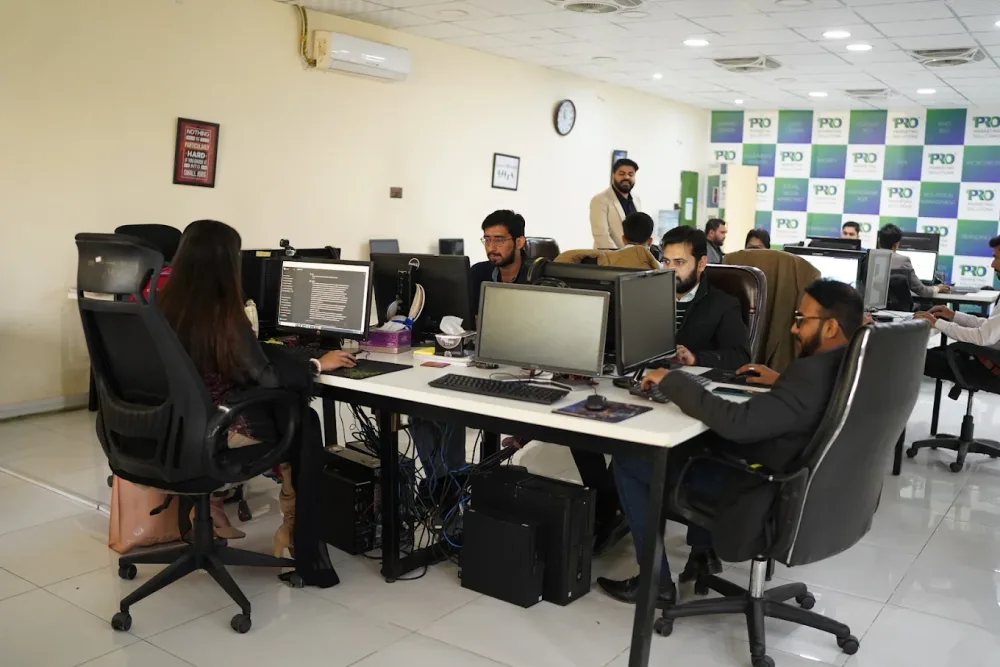 Watch our introduction
 Published client experiences
Hear what working with WeProms was like, directly from our clients.
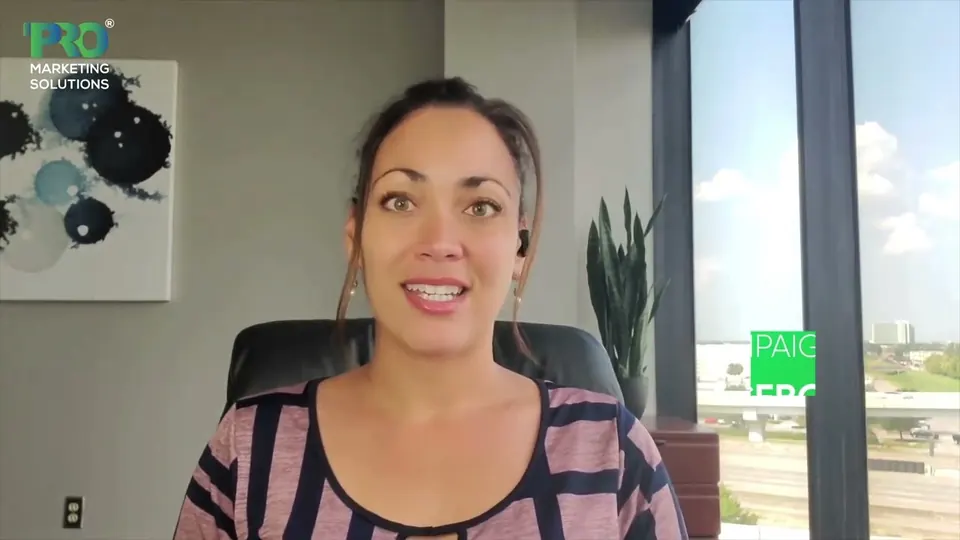 Watch their story
 Their business journey
 Watch their story
 Client feedback
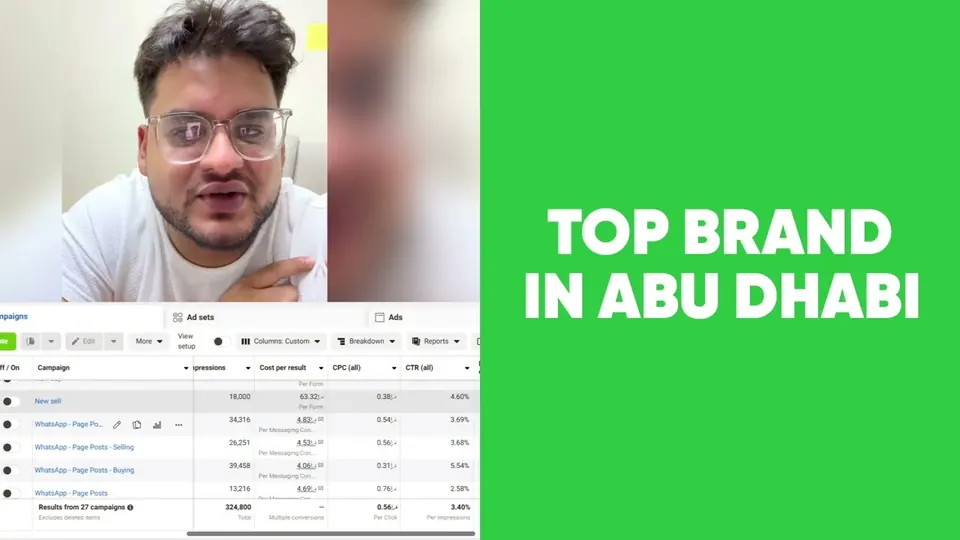 Watch their story
 Working with WeProms
Inside WeProms
Lahore, Pakistan
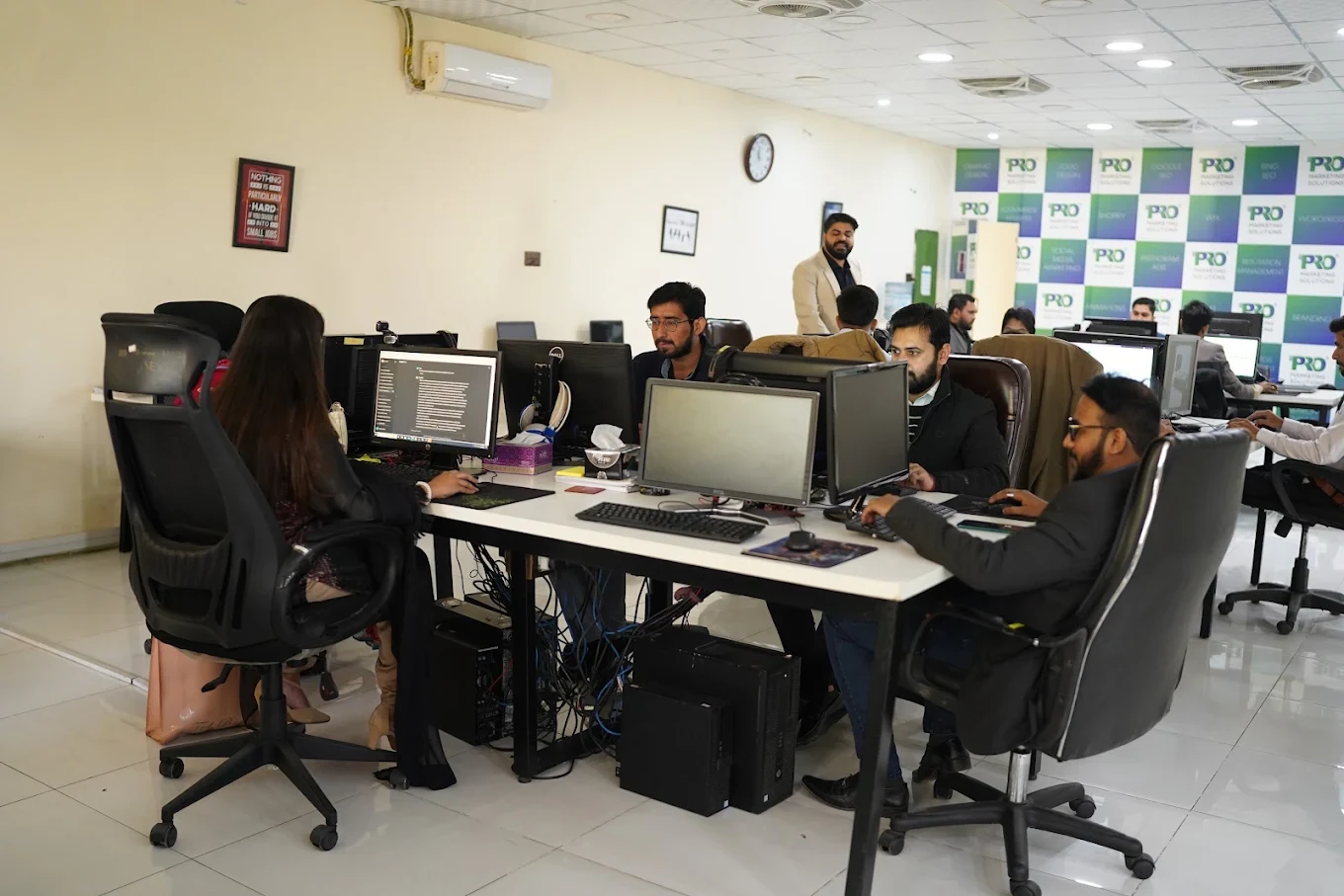
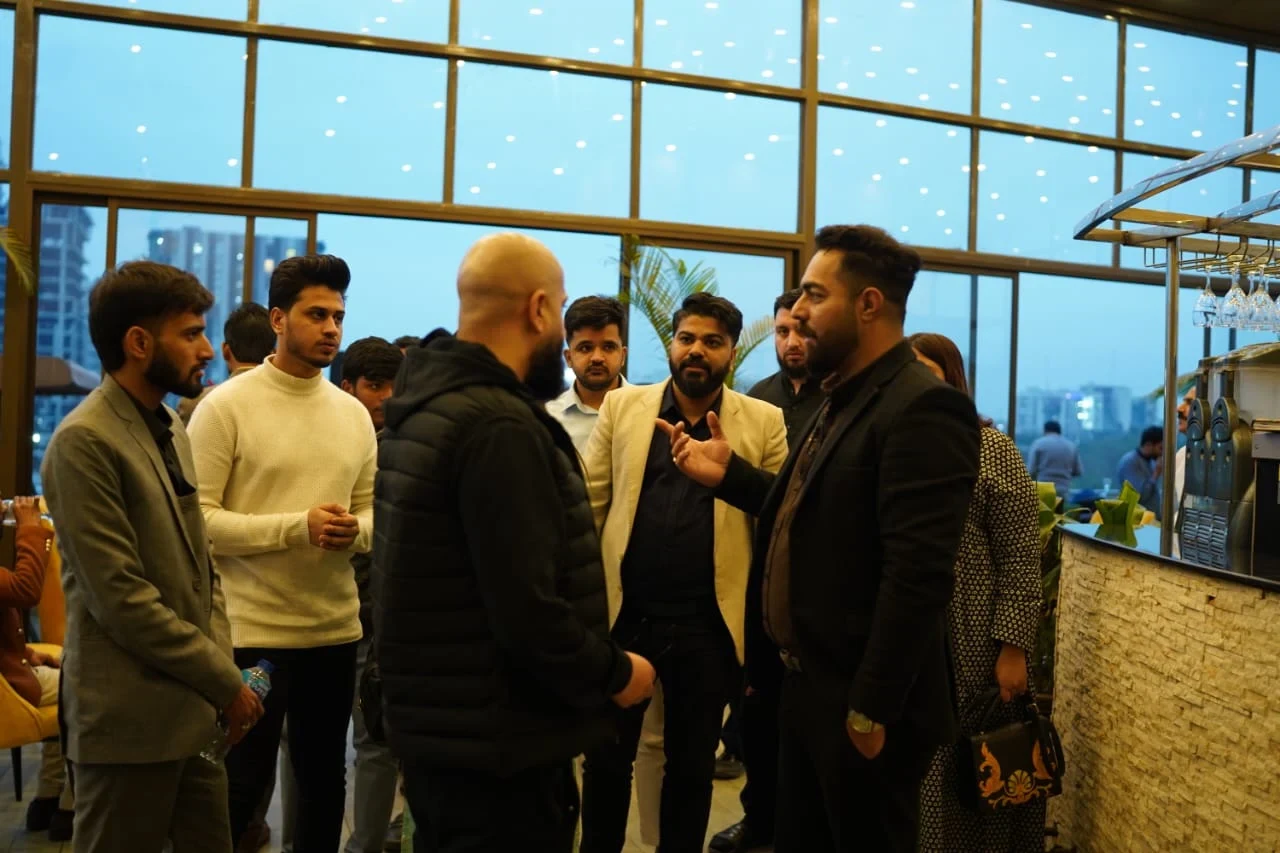
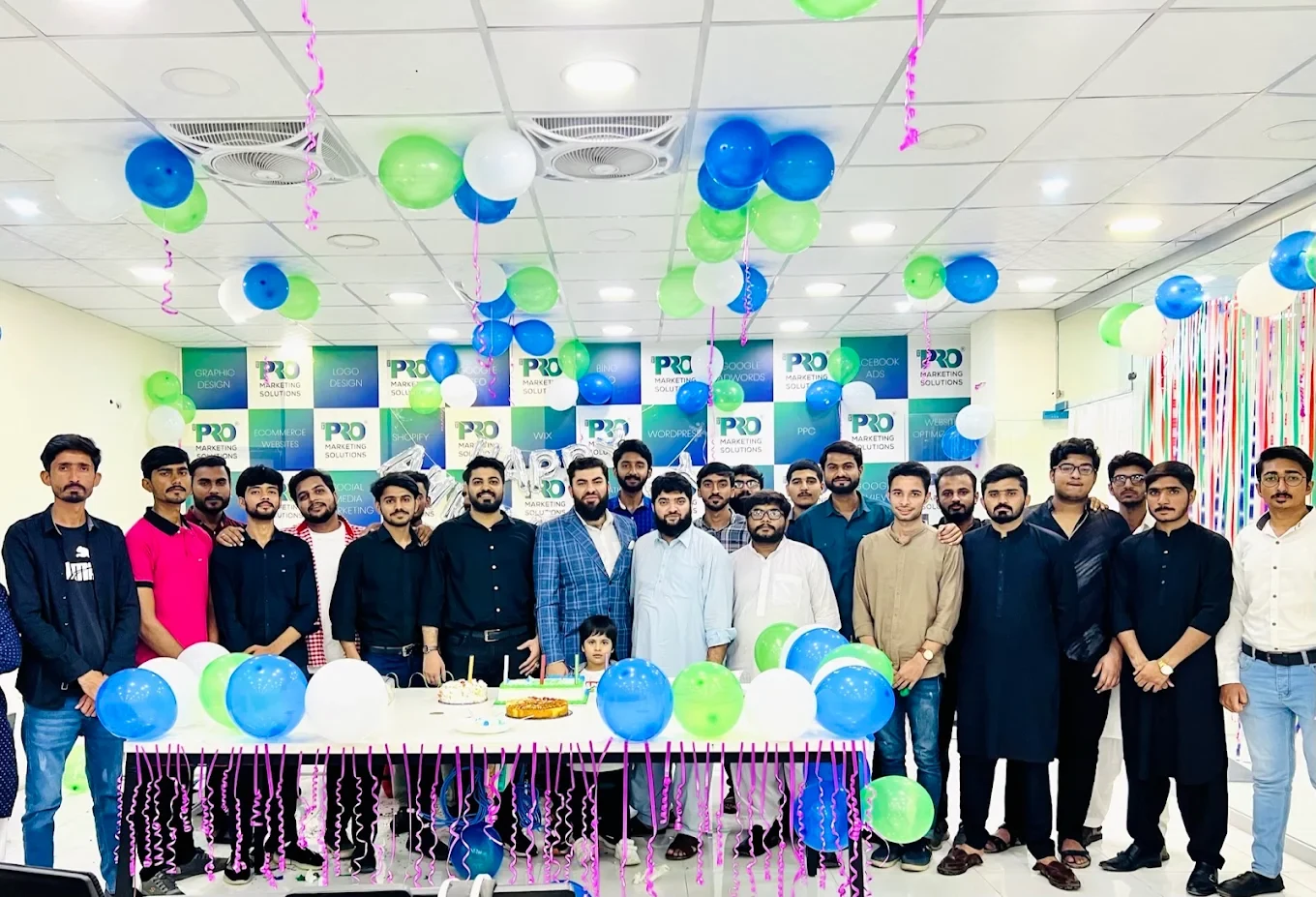
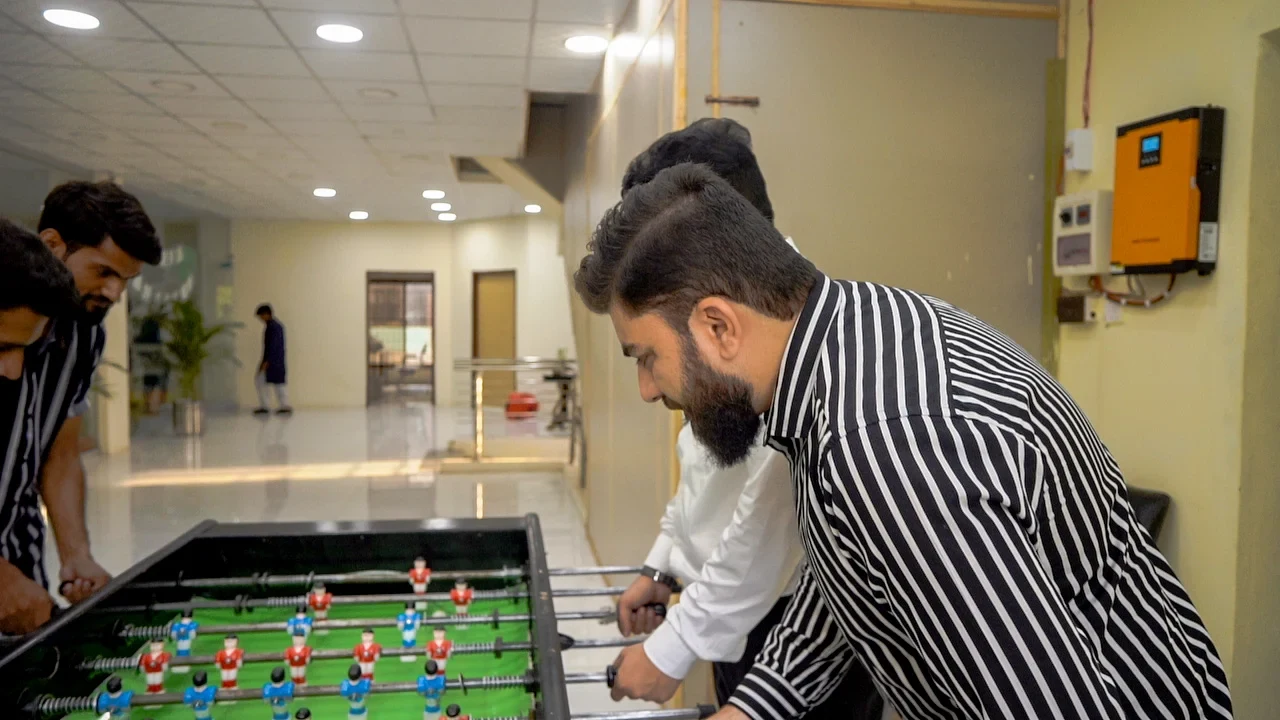
154, C1, Nespak Housing Scheme, Lahore 54770, Pakistan.
Working with a remote marketing team
You know your customers and market. Our strategists, creatives and technical specialists in Lahore help put the plan into practice. Agree the contact person, meeting times and approvals before we start.
Agree deliverables and the agency fee. Discuss ad spend and third-party tools separately.
Keep visibility and ownership. Agree access, asset licences and handover as part of the scope.
Agree a review schedule around your time zone. See what was delivered, what the numbers mean and what comes next.
Explore our Pakistan pricing guides for planning ranges and what shapes the cost. Your market, deliverables and existing setup determine the final quote; advertising spend and third-party costs are separate.
Discuss a quote for your market ↗Before the next step
A useful starting brief includes: customer questions and objections; subject expertise and approved claims; distribution and approval process. We can agree appropriate access after the first conversation.
Review whether the work serves its audience and role in the journey. Use relevant readership, enquiries and sales feedback.
We can discuss a one-off implementation, an ongoing scope or an initial build followed by support. The proposal states what is included, dependencies and the review points.
Agency work, media spend and third-party costs are identified separately. Your market, existing setup and delivery requirements determine the final scope and quote.
Share your website, target country and the next thing you want to improve. We’ll help you find a useful place to start.