Social Media and Communications
Influencer Marketing Campaign Management
Plan and manage influencer campaigns focused on relevance, reach, and measurable outcomes.
Explore the detailWe instrument influencer campaigns with unique promo codes, UTM links, per-creator landing pages and post-purchase surveys, then report creator-level cost, revenue, CAC and ROAS — including sales that close as cash on delivery or WhatsApp orders.

Analytics and Attribution
Influencer campaign measurement that issues trackable codes and links per creator, captures COD and WhatsApp orders, and reports creator-level cost, revenue and ROAS in one dashboard.
Review data quality against a business source of truth. Document missing coverage, consent and attribution differences.
A closer look
The approach, practical steps and decisions behind the plan.
Brands in Pakistan spend on creators the way they once spent on billboards — pay, post, and hope. Instagram reels, TikTok videos and YouTube integrations genuinely move product in a market where discovery is social and checkout happens on cash on delivery, but almost none of that movement lands in a report a finance team would accept. WeProms Digital builds the measurement layer for influencer marketing: we instrument every campaign with unique codes, trackable links and post-purchase surveys before it goes live, trace orders back to the creator who drove them — including COD and WhatsApp orders — and report creator-level cost, revenue and ROAS in a single dashboard.
The default report after an influencer campaign is a folder of platform metrics: reach, impressions, likes, story views, and screenshots. None of it converts to PKR. Renewal conversations then happen on vibes — the creator seemed to do well, the comments looked positive, the reel got views. For a brand paying five or fifty creators a month, that is not measurement, it is testimony.
The failure is usually structural, not lazy. One discount code shared across every creator, so redemption says nothing about who drove it. Bio links that redirect through link aggregators and shed their parameters. Creator content that lifts branded search and direct traffic instead of clicks, which last-click analytics quietly assigns to “organic” while the creator gets credited with nothing. And in Pakistan specifically, a large share of creator-driven sales close inside WhatsApp chats, DMs and phone calls — transactions your analytics stack never sees at all. A campaign can look like it produced nothing while it quietly carries the month.
Everything starts with per-creator assets issued before the campaign goes live. Each creator gets a unique promo code and UTM-tagged links, per platform and per post, so a redemption or a session can be traced to one person’s content. Where link placement is unreliable — link stickers, story truncation, podcast reads — we build per-creator landing pages with clean URLs a creator can say out loud on camera, and the page itself carries the attribution.
Because clicks understate creator impact, we add lift analysis. We baseline branded-search volume and direct traffic in the weeks before publish dates, then compare the windows after each post goes live. That lift is a creator signal even when the buyer never clicked, and it is the closest read available for the majority of creator-driven purchases that happen on a delay. The platforms themselves now report branded-search lift for creator content — an implicit admission that clicks alone were never the whole story.
The third layer is the post-purchase survey. A single well-designed question — how did you hear about us — with a creator list as answer options, placed at online checkout and read out during COD confirmation, captures buyers that codes and clicks both miss. The design matters: an answer set of “Instagram, TikTok, friend” tells you almost nothing, while “Creator A’s code, Creator B’s video, saw on Instagram generally” tells you exactly which contract to renew.
Most Pakistani e-commerce orders are cash on delivery, and a meaningful share of creator-driven sales never touch a website at all — the customer watches the video, messages the brand on WhatsApp, and confirms the order in chat. Pure click analytics is blind to both flows, which is why imported measurement playbooks fail here.
We close the gap with order-source instrumentation rather than wishful tracking. The confirmation call and WhatsApp flow ask which creator’s code the customer is using, and the answer is stored as a field on the order. Unique codes are structured to be applied at confirmation, not just at online prepayment. WhatsApp Business catalogue links can be issued per creator so even chat-originated orders carry a source. Where a campaign runs phone-order heavy, call tracking numbers give each creator their own dial-in line. It is more manual than western playbooks, and it is the difference between measuring a fraction of sales and measuring the business you actually run.
One more local discipline: a booked COD order is not revenue. Orders get returned, refused at the door, and marked return-to-origin by couriers. We measure delivered-and-kept revenue per creator, not booked orders, because otherwise a creator whose audience orders enthusiastically but refuses deliveries looks like a winner while quietly costing you courier charges both ways.
All signals land in one creator-level dashboard: fee, product cost and gifting value per creator, tracked orders, delivered revenue, CAC, ROAS, code redemptions, survey mentions, and lift indicators, viewable by campaign, platform or creator. Engagement metrics sit alongside revenue so you can see when a creator with modest views converts better than a headline name.
The monthly reporting pack turns the dashboard into decisions: which creators to renew, which to renegotiate at a lower fee, and which to drop. Barter and gifting collaborations get a real cost line — product, shipping, fulfilment — so “free” collaborations stop hiding in the budget. Over a quarter, the pack becomes the input to campaign planning: creator tiers, fee benchmarks, and the platform mix worth your next rupee.
We start with an audit of what exists — past campaign data, links and codes already in market, your checkout flow, and how order sources are captured today — then design the measurement plan for the next campaign. Instrumentation is completed before that campaign goes live, the dashboard is built and reviewed with your team, and reporting settles into a monthly cadence. Setup typically takes two to four weeks; the first trustworthy read follows the first full campaign cycle plus delivery.
A single-campaign measurement sprint starts from PKR 150,000 one-time. An always-on retainer for brands running creator content continuously starts from PKR 120,000 per month. A measurement audit and roadmap for past campaigns starts from PKR 100,000. Measurement is deliberately priced apart from campaign management — we regularly sit alongside another agency’s campaigns, because the team reporting ROI should never be the team justifying its own campaign choices.
This service is built for Pakistani D2C and e-commerce brands — beauty, fashion, food, wellness, electronics accessories — that spend on creators every month but cannot say which creator earned their fee. It suits brands scaling creator budgets past the point of guesswork, agencies running influencer campaigns whose clients’ finance teams ask for proof, and brands that want honest renew-or-drop decisions on every creator contract, whether or not we run the campaigns themselves.
Related services
Social Media and Communications
Plan and manage influencer campaigns focused on relevance, reach, and measurable outcomes.
Explore the detailAnalytics and Attribution
Build attribution models that show which channels and campaigns drive real revenue.
Explore the detailAnalytics and Attribution
Create dashboards that combine ads, analytics, and CRM data in one decision view.
Explore the detailA few of the brands we’ve worked with.








See where the work happens and get to know WeProms before your first conversation. Our team is based in Lahore, working with business owners abroad and at home.
Get to know WeProms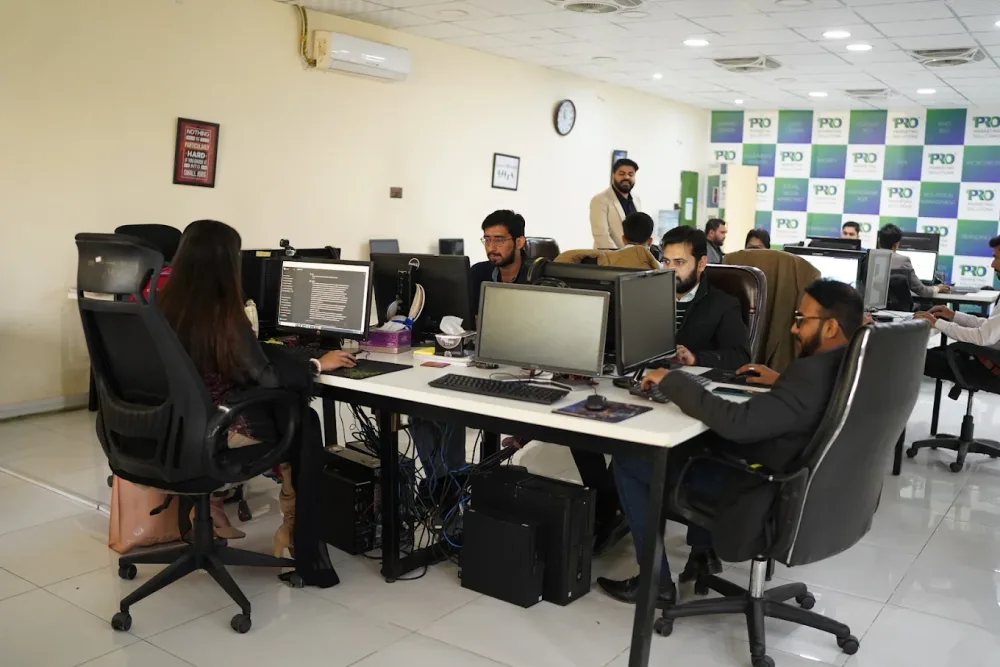 Watch our introduction
 Published client experiences
Hear what working with WeProms was like, directly from our clients.
 Watch their story
 Singapore · Events
 Watch their story
 Client feedback
 Watch their story
 New York · Wellness
Inside WeProms
Lahore, Pakistan
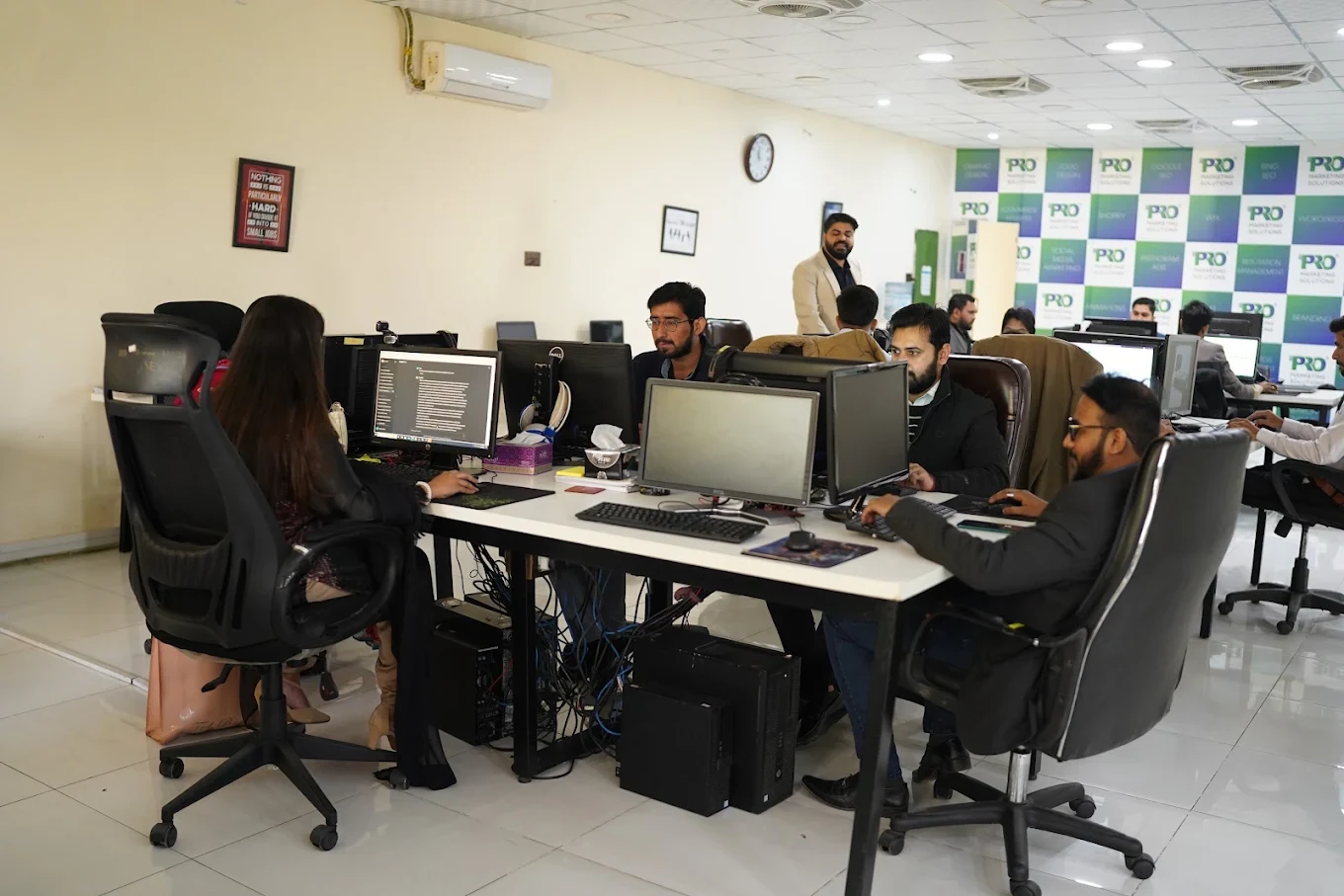
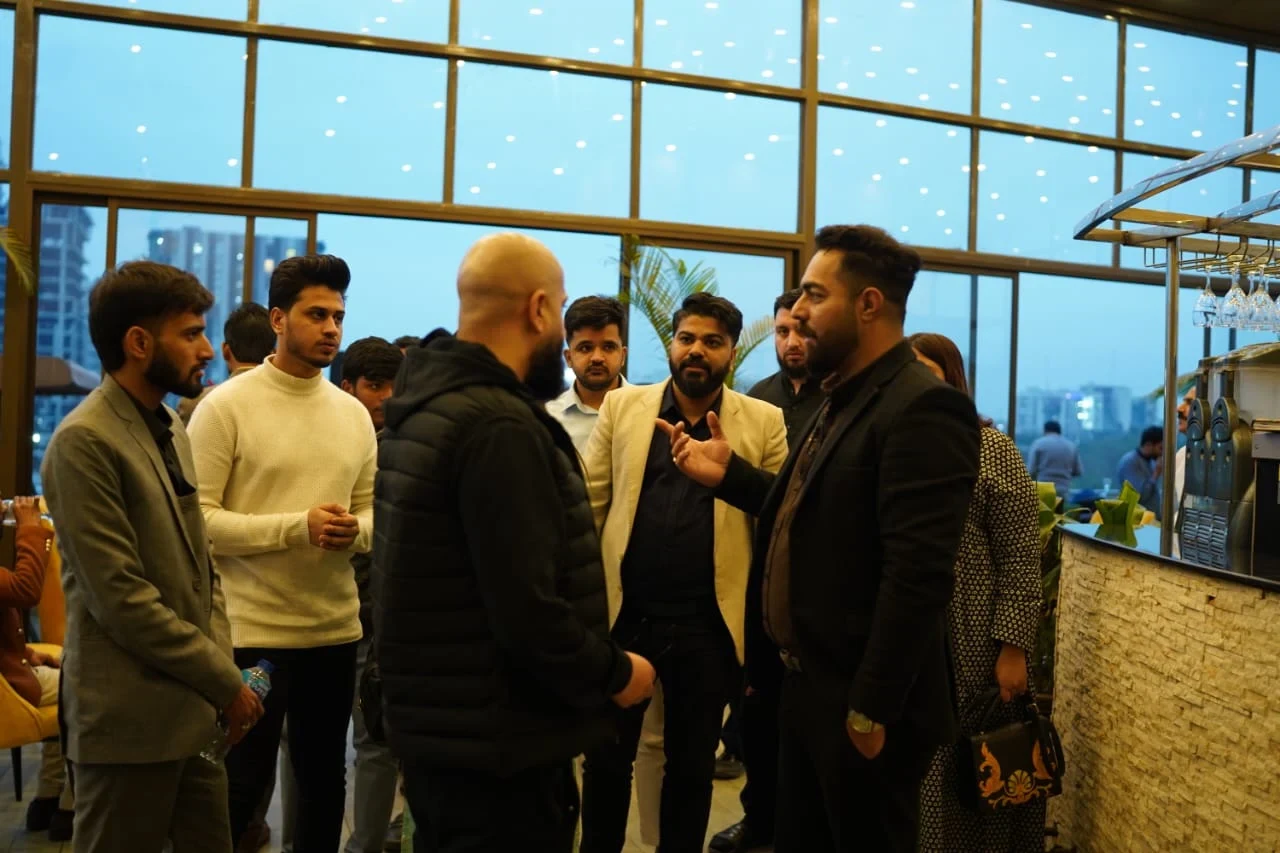
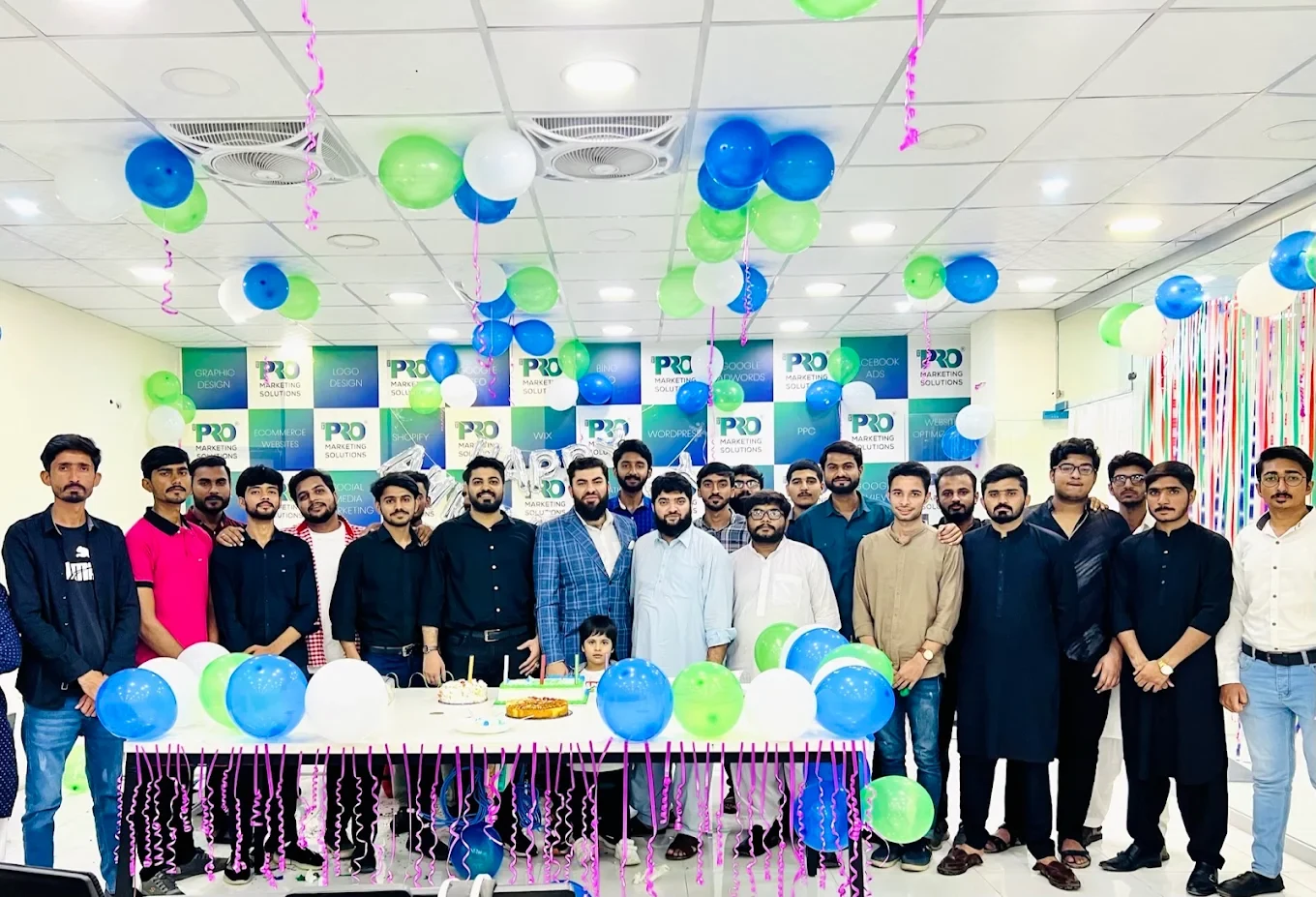
154, C1, Nespak Housing Scheme, Lahore 54770, Pakistan.
Working with a remote marketing team
You know your customers and market. Our strategists, creatives and technical specialists in Lahore help put the plan into practice. Agree the contact person, meeting times and approvals before we start.
Agree deliverables and the agency fee. Discuss ad spend and third-party tools separately.
Keep visibility and ownership. Agree access, asset licences and handover as part of the scope.
Agree a review schedule around your time zone. See what was delivered, what the numbers mean and what comes next.
Explore our Pakistan pricing guides for planning ranges and what shapes the cost. Your market, deliverables and existing setup determine the final quote; advertising spend and third-party costs are separate.
Discuss a quote for your market ↗Before the next step
A useful starting brief includes: event and tag inventory; examples of reporting disagreements; order or enquiry source records. We can agree appropriate access after the first conversation.
Review data quality against a business source of truth. Document missing coverage, consent and attribution differences.
We can discuss a one-off implementation, an ongoing scope or an initial build followed by support. The proposal states what is included, dependencies and the review points.
Agency work, media spend and third-party costs are identified separately. Your market, existing setup and delivery requirements determine the final scope and quote.
Share your website, target country and the next thing you want to improve. We’ll help you find a useful place to start.