01 / Built around your business
Where the opportunity sits
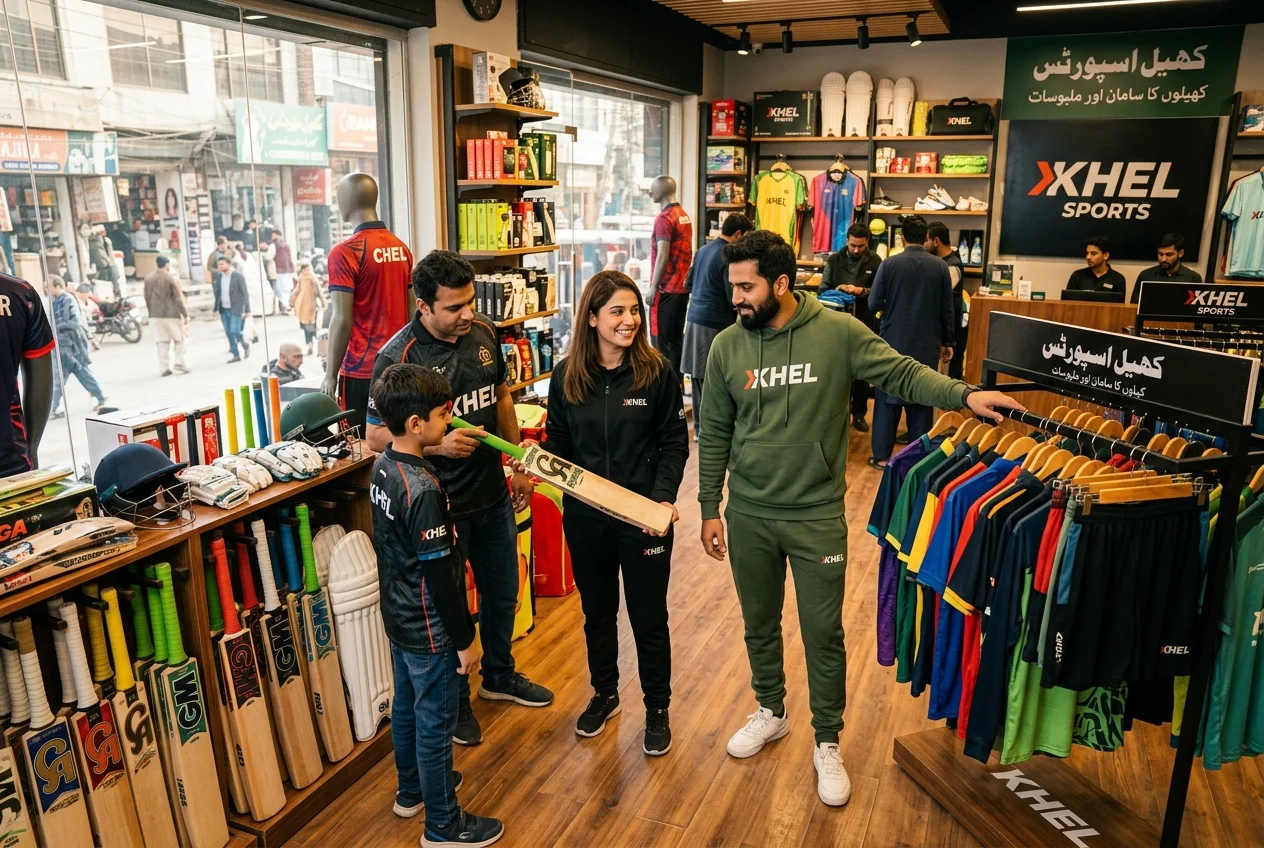
Sports shoppers need useful product information about sizing, purpose and suitability, supported by values-aligned creative. The starting point is to identify where that decision becomes difficult, then agree which part of the journey deserves attention first.
02 / Built around your business
What the work can include
Activity-led category pages, product information, approved creative and retention journeys reviewed against orders and returns. The scope is agreed around your current systems, operating capacity and priorities. Each deliverable should have an owner, the information needed to complete it and a clear review point.
01 / Discover
Help shoppers reach the right product.
Connect categories, search and campaign destinations to the current catalogue. Distinguish browsing from a customer who is ready to compare a specific item.
- Connect sport and product search to the range actually stocked.
- Check stock and variant availability.
- Match the message to the destination.
- Keep category and product facts consistent.
The working decision
Help shoppers reach the right product.
Check stock and variant availability.
02 / Decide
Answer the questions before the order.
Bring product information and buying conditions together where the shopper needs them. The appropriate route may be checkout, a configured quote or a product enquiry.
- Explain dimensions, materials, intended use and care information.
- Explain specifications and practical limitations.
- Make delivery and returns information visible.
- Check the mobile completion route.
The working decision
Answer the questions before the order.
Explain specifications and practical limitations.
03 / Continue
Review what happens after the purchase.
Use fulfilment and customer feedback to understand order quality. Follow-up should suit the product cycle and customer preferences, with a clear reason for another contact.
- Use permission-based replenishment and product updates around the customer’s interests.
- Separate placed orders from fulfilled value.
- Include cancellations and returns.
- Review contribution before increasing incentives.
The working decision
Review what happens after the purchase.
Separate placed orders from fulfilled value.
03 / Built around your business
Build around how your customers choose
1. Find the right category
Connect sport and product search to the range actually stocked.
2. Check suitability
Explain dimensions, materials, intended use and care information.
3. Buy with confidence
Make stock, delivery and checkout expectations clear.
4. Stay relevant
Use permission-based replenishment and product updates around the customer’s interests.
04 / Built around your business
Measure the decisions that matter
Completed orders, returns, contribution margin and repeat buying. Start with a reliable baseline and keep early interactions separate from completed outcomes. Review the results against your capacity and the costs included in the plan, so the next decision is based on useful business information.
Can campaigns cover equipment and apparel together?
Yes, but the product questions differ. Equipment needs suitability and specification detail; apparel also needs fit and fabric information. Build the landing pages and measurement around those differences.
Optimise only for placed orders?
Review fulfilment, returns and the costs included in each comparison. A busier checkout is useful only if the business can deliver and retain sufficient value.
Promote the whole catalogue equally?
Use availability, customer demand and order economics to prioritise. Some items need more explanation, different delivery information or a separate enquiry route.
Buying intent
Relevant product visits and enquiries, separated from completed orders.
Product, page and campaign records for the agreed catalogue scope.
Completed orders
Confirmed orders from the defined eligible journey and period.
Store transactions reconciled with payment and order status.
Fulfilled value
Order value after the agreed treatment of cancellations, returns and variable costs.
Fulfilment, refund and cost records.
Repeat purchasing
Customers making another completed purchase within a defined period.
Consistently identified customer and order records.
05 / Built around your business
How the engagement starts
Share your website, target market and the main point where growth is getting stuck. We review the existing journey and the information your team can provide, then recommend a defined starting scope. The proposal separates agency work, advertising spend and third-party costs. It also identifies your team’s responsibilities, access requirements and review points.
A useful page or journey
Shop-by-activity routes and suitability information.
Information your team supplies
Current service or product facts, coverage and availability, plus the details needed to support “Check suitability”.
Implementation & ownership
Agree who makes the changes and who handles the next step when a customer is ready to “buy with confidence”.
A defined review
Review completed orders, returns, contribution margin and repeat buying. Record the period, source and the next action the findings support.
Before we start
Questions about the work
Can campaigns cover equipment and apparel together?
Yes, but the product questions differ. Equipment needs suitability and specification detail; apparel also needs fit and fabric information. Build the landing pages and measurement around those differences.
What determines cost and timing?
The target market, the amount of work, access to the right systems and the review process all affect the scope. We explain the deliverables and dependencies in the proposal.