
Clarity
Cleaner reporting and faster decisions
100+ reviews - 24/7 support - 30-day money-back guarantee
+92 300 0133399Services
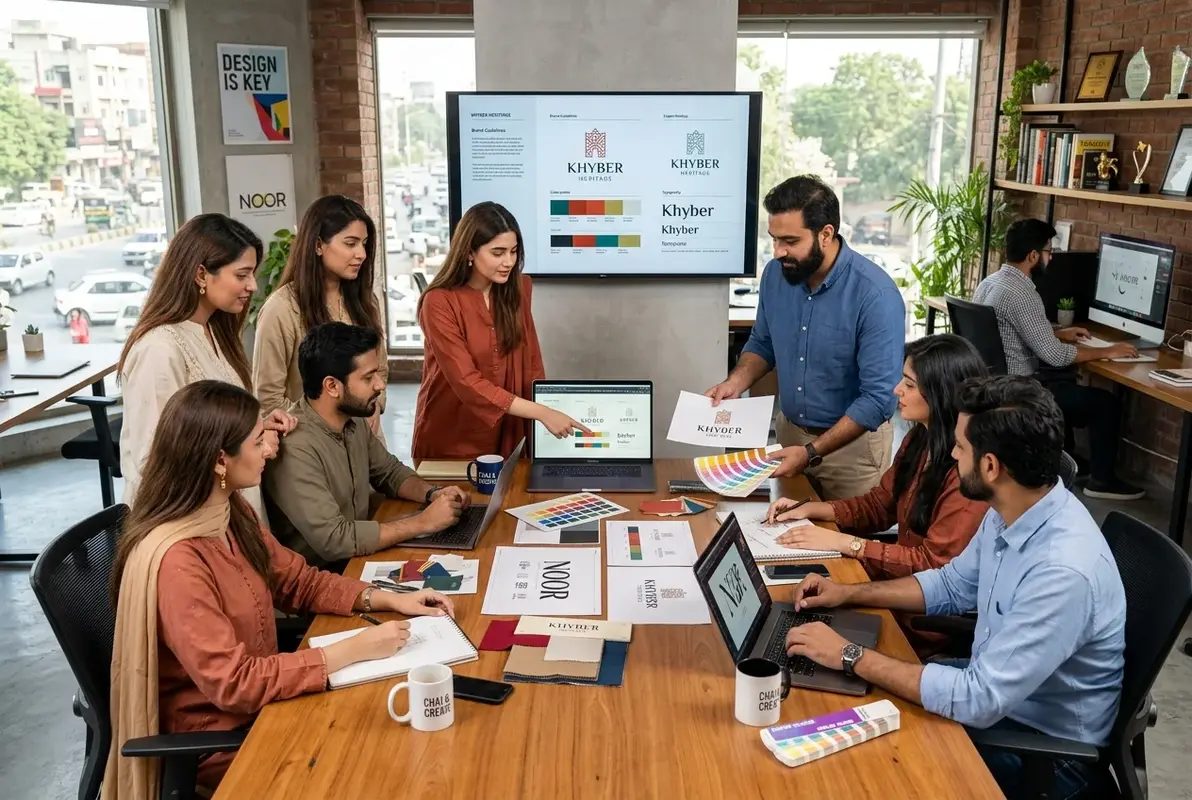
Create visual identity systems and practical brand guidelines for consistent execution.
Main Service
Sub Service
Brand Identity Design and Guidelines
Overview
Create visual identity systems and practical brand guidelines for consistent execution. We handle implementation, QA, and continuous optimization.
Common Gaps
Scope
Create visual identity systems and practical brand guidelines for consistent execution. The scope is built for practical execution and compounding performance gains.
Execution Flow
Discovery and baseline audit
Implementation plan and sprint breakdown
Deployment, validation, and QA
Optimization cycles with reporting insights
Continuous improvement roadmap
Impact Focus
Cleaner reporting and faster decisions
Lower waste and smoother execution workflows
Higher conversion and stronger revenue contribution
Engagement Models
Related Planning
Next Step
Request a practical scope with timelines, deliverables, and next-step priorities.
Questions
Yes. We deliver this service for businesses in Pakistan with execution support across strategy, setup, and optimization.
We commonly support Lahore, Karachi, Islamabad, and remote teams across Pakistan.
Most projects start with a 2-4 week setup phase followed by continuous optimization cycles.
Yes. We can work as an embedded partner and coordinate with your internal marketing, sales, and leadership workflows.
Our brand finally looks like a real company. The guidelines they created made every future asset easier to produce.
Let's discuss how Branding and Creative Services can help you achieve your goals. No obligation, just honest advice.
Free consultation · No commitment · Response within 24 hours
Brand identity design and guidelines is the systematic process of creating visual assets and documentation that define how your brand appears across all touchpoints. It encompasses logo design, color palettes, typography systems, imagery standards, and comprehensive guidelines that ensure consistent brand execution. For Pakistani businesses competing in increasingly crowded markets across Lahore, Karachi, Islamabad, and beyond, professional brand identity directly impacts customer recognition, trust, and purchasing decisions. Research from Lucidpress indicates that consistent brand presentation across all platforms increases revenue by an average of 23%, while brands with strong visual identity achieve 3.5 times better brand recall than those with inconsistent presentation.
In the Pakistani market context, brand identity takes on added significance. Consumers in Pakistan encounter hundreds of brands daily through digital channels, retail environments, and traditional media. A distinctive, professionally executed visual identity helps your brand stand out in this crowded landscape. The growth of e-commerce platforms like Daraz and increased social media usage means visual brand presentation now extends across more touchpoints than ever before, making comprehensive guidelines essential for maintaining consistency.
Pakistani businesses face specific challenges that professional brand identity design addresses. The market includes diverse consumer segments with varying visual preferences and expectations. Urban consumers in Lahore and Karachi increasingly expect international-quality branding, while businesses must also consider cultural nuances that influence visual perception.
Without professional brand identity and clear guidelines, businesses experience several costly problems. Inconsistent presentation across marketing materials erodes customer trust and makes brands appear unprofessional. Internal teams waste time making ad-hoc design decisions because standards remain undefined. External vendors and agencies produce work that fails to align with brand vision. Marketing materials require frequent redesign because foundational elements lack durability.
Businesses with strong brand identity systems see measurable benefits across operations. Design decisions become faster because clear standards eliminate guesswork. Marketing campaigns launch more quickly because templates and asset libraries exist. Customer recognition improves as consistent visual presentation builds familiarity. Brand value increases as professional identity signals quality and reliability.
For service businesses in sectors like technology, education, healthcare, and professional services operating in major Pakistani cities, visual identity directly influences lead quality and conversion rates. Prospective customers evaluate professionalism through visual presentation before engaging. Weak or inconsistent identity creates doubt about service quality. Strong, consistent identity builds confidence before the first conversation.
Book a free strategy call - we'll audit your current setup and identify the highest-impact fixes.
Comprehensive brand identity design encompasses multiple visual and documentation components that work together as a complete system.
The logo serves as the primary visual identifier for your brand. Professional logo development includes:
Logo systems for Pakistani businesses often require considerations for both English and Urdu applications, ensuring legibility and brand recognition across language preferences.
Color creates immediate emotional associations and aids brand recognition. Comprehensive color systems include:
Color perception varies across cultures, and Pakistani businesses benefit from palettes that resonate with local preferences while maintaining professional appeal.
Typography communicates personality and ensures readability across applications. Typography systems include:
Typography decisions significantly impact accessibility and readability for Pakistani audiences, particularly when multilingual content is required.
Beyond core elements, brand identity extends to supporting visual components:
Guidelines transform brand elements from disconnected assets into a usable system. Comprehensive guidelines include:
Professional brand identity development follows a structured process that produces both creative output and practical implementation tools.
Discovery establishes the strategic foundation for visual decisions. This phase includes stakeholder interviews to understand business goals and brand aspirations, competitive visual audit to identify positioning opportunities, customer research to understand visual preferences and associations, and audit of existing brand assets to identify elements worth preserving.
For Pakistani businesses, discovery must also consider regional and cultural factors that influence visual perception. Color symbolism, typography conventions, and imagery expectations vary across market segments. Understanding these nuances ensures identity decisions resonate with target audiences.
Key discovery questions include: What visual associations do customers currently have with your brand? What visual attributes do competitors own in customer minds? What visual direction would support desired brand positioning? What constraints exist around existing brand equity?
Creative direction translates strategic insights into visual parameters. This phase defines the visual personality that brand identity should express, establishes design principles that guide creative decisions, creates mood boards and visual direction references, and presents creative briefs for stakeholder alignment.
Creative direction ensures subsequent design work serves strategic objectives rather than aesthetic preferences alone. Stakeholder alignment at this stage prevents costly revisions later in the process.
Concept development explores multiple creative directions before committing to final design. This phase presents multiple logo concepts with rationale for each, explores color palette alternatives aligned with concepts, tests typography approaches that support visual direction, and gathers feedback to refine or select preferred direction.
Concept presentation for Pakistani businesses often includes considerations for how identity will perform across different cultural contexts and language applications. Concepts are evaluated not just for aesthetic appeal but for strategic fit and practical implementation.
Following concept selection, design development refines chosen direction into complete brand identity. This phase refines logo design to production-ready specifications, develops complete color palette with all required specifications, establishes typography system with full hierarchy, and creates supporting visual elements and graphic library.
Design development produces the complete set of brand elements that will be documented in guidelines. Every element is developed to production-ready quality with technical specifications for implementation.
Guidelines documentation transforms design work into a usable system. This phase documents all brand elements with technical specifications, creates application examples across key touchpoints, develops dos and don’ts that prevent common misuse, produces templates for frequently needed applications, and organizes content for easy navigation and reference.
Guidelines quality determines whether brand identity achieves consistent implementation. Poorly documented identity, regardless of design quality, fails to deliver value because teams cannot execute consistently.
Final phase produces all deliverables in production-ready formats. This includes logo files in all required formats and variations, color swatches for design software applications, font files or licensing information, template files for common applications, and guidelines document in accessible format.
Understanding the costs of weak brand identity helps justify investment in professional development and documentation.
When brand presentation varies across touchpoints, customers struggle to recognize and remember your brand. Each inconsistent interaction erodes trust because visual inconsistency signals organizational inconsistency. Research shows that it takes 5-7 brand impressions for consumers to remember a brand, but inconsistent presentation extends this timeline significantly.
Marketing campaigns built on inconsistent brand foundations underperform. Creative teams spend time recreating brand elements that should exist as standards. Media investment produces lower returns because visual inconsistency reduces recognition and recall. Every marketing dollar works harder when supported by strong, consistent brand identity.
Without clear guidelines, teams spend excessive time on decisions that standards should resolve. Simple requests like “what color should this be?” or “which logo do we use here?” consume hours of discussion. Design revisions multiply because approval criteria remain undefined. External vendors require extensive briefing that guidelines should provide.
Growing businesses need to produce more marketing materials with more team members. Without documented brand identity, scaling creates chaos rather than efficiency. New team members lack reference for design decisions. Multiple designers produce inconsistent work. Quality control becomes impossible without standards to measure against.
How we helped a Pakistani business achieve measurable results.
Brand identity project timelines vary based on scope and complexity. A focused logo and basic guidelines project typically requires four to six weeks from kickoff to final deliverables. Comprehensive brand identity including full visual system and extensive guidelines may require eight to twelve weeks.
The timeline breaks down as follows: Discovery and audit typically requires one to two weeks. Strategy and creative direction takes one week. Concept development requires one to two weeks. Design development takes two to three weeks. Guidelines development requires one to two weeks. Final asset production and handoff takes one week.
For Pakistani businesses with urgent needs, accelerated timelines are possible with focused scope and efficient stakeholder engagement. However, compressed timelines require clear decision-making authority and rapid feedback cycles.
Brand identity investment varies significantly based on scope, provider expertise, and deliverable depth. Entry-level logo design from freelance designers may range from PKR 50,000 to PKR 200,000. Mid-market brand identity including logo system and basic guidelines typically costs PKR 300,000 to PKR 800,000. Comprehensive brand identity with full visual system and extensive guidelines may range from PKR 1,000,000 to PKR 3,000,000 or more.
Cost factors include the depth of discovery and research conducted, the number of concepts explored, the comprehensiveness of visual system developed, the extent of guidelines documentation, and the quantity and type of asset files produced.
WeProms Digital offers brand identity services structured for Pakistani businesses seeking practical, implementable outcomes. Engagement models include focused identity projects for businesses needing core brand elements, comprehensive identity programs for businesses undertaking complete brand development, and identity refresh projects for businesses evolving existing brand assets.
Brand identity achieves value through consistent implementation over time. Maintaining consistency requires ongoing attention beyond initial development.
Successful brand implementation requires team adoption and understanding. This includes team training on brand guidelines and rationale, easy access to brand assets through organized libraries, clear ownership of brand stewardship responsibilities, and regular review of brand application across materials.
External partners require guidance to execute brand consistently. Effective vendor management includes providing guidelines and assets to all external partners, establishing approval processes for brand application by vendors, conducting periodic reviews of vendor-produced materials, and updating vendors when guidelines evolve.
Brand guidelines require periodic updates as brand application expands. New touchpoints may require new guidelines sections. Application learnings may refine existing guidance. Competitive and market changes may necessitate visual evolution. Guidelines should be treated as living documents rather than static references.
Consistent implementation requires ongoing quality control. This includes brand review checkpoints in marketing production workflows, periodic audits of brand application across touchpoints, clear processes for addressing brand misuse, and feedback mechanisms for identifying guidelines gaps.
Pakistani businesses seeking to develop or improve brand identity should begin with honest assessment of current state. Questions to consider include: Can team members articulate what your brand looks like? Do marketing materials present a consistent visual appearance? Do external vendors produce work that fits your brand? Is there a central reference for brand decisions?
If answers reveal identity gaps, the next step is determining project scope. New businesses need complete identity development. Established businesses may need identity refresh or guidelines development. Businesses with recent identity work may need implementation support rather than redesign.
WeProms Digital provides brand identity design and guidelines services for Pakistani businesses in Lahore, Karachi, Islamabad, and nationwide. We work with in-house teams as embedded partners, ensuring developed identity serves practical implementation needs. Contact us to discuss your brand identity challenges and explore how professional development can improve your market presence.
Explore More
Digital marketing for clothing brands focused on ecommerce growth, seasonal campaign performance, and customer acquisition efficiency. Built for businesses in Pakistan that need measurable growth.
Open page →Digital marketing for food brands focused on increasing orders, building brand loyalty, and driving measurable growth. Built for restaurants, food delivery services, and packaged food businesses in Pakistan.
Open page →Digital marketing for sports brands focused on driving product sales, building fan communities, and increasing brand engagement. Built for sports equipment retailers, fitness brands, and athletic apparel businesses in Pakistan.
Open page →Explore More
Digital marketing agency support for businesses in Pakistan that need SEO, PPC, automation, attribution, and conversion systems tied to measurable growth.
Open page →PPC agency support in Karachi for lead-generation businesses and ecommerce brands that need accountable paid growth systems.
Open page →SEO agency support in Lahore for businesses that need stronger local and national rankings, technical SEO cleanup, and conversion-ready pages.
Open page →Start Here
Book a strategy call to discuss how WeProms Digital can help your business achieve better tracking, cleaner attribution, and more accountable growth.