
Lifecycle and data map
Identify relevant stages, usable events and the customer information needed for each flow.
Welcome, post-purchase and re-engagement flows connected to meaningful customer actions. Build the messages, conditions and stopping rules that make automated email feel considered.
Get to know your team firstSee where the work happens and get to know WeProms before your first conversation. Our team is based in Lahore, working with business owners abroad and at home.
Get to know WeProms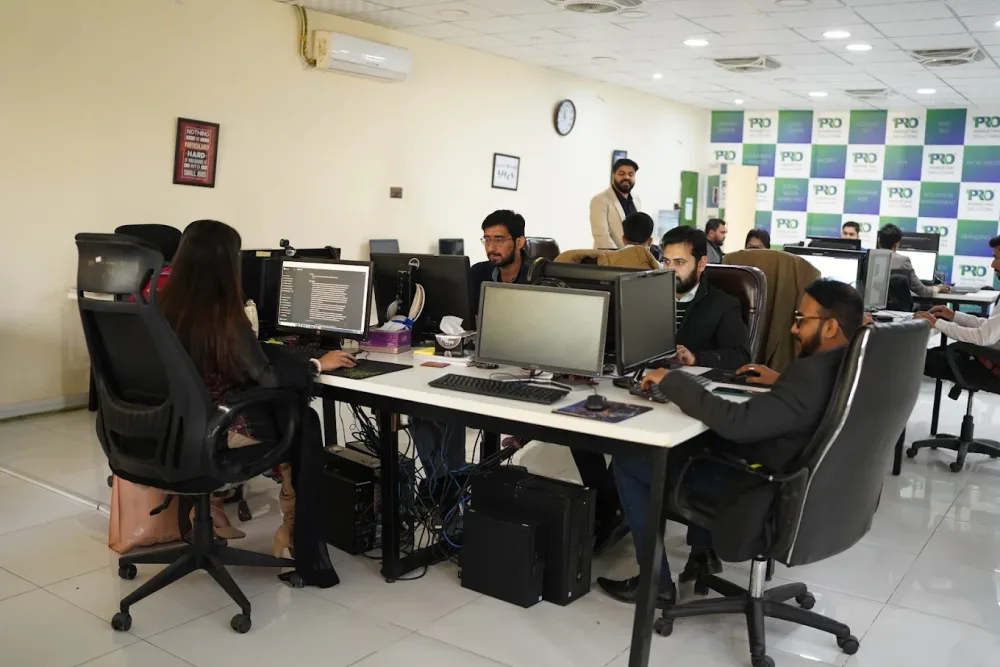 Watch our introduction
An automated sequence should respond to context. Explore the conditions that make a welcome, post-purchase or re-engagement flow useful.
Example lifecycle logic
A useful flow has an exit as well as an entrance.
Welcome
Use the signup context to introduce the business and help the person find what they expected.
Confirm entry permissions, timing and overlap with other messages.
Illustrative planning example. We agree the final setup around your business.
Example lifecycle logic
A useful flow has an exit as well as an entrance.
Post-purchase
Use the order to support the customer’s next task, with content and timing appropriate to the product.
Stop incompatible pre-purchase reminders when reliable order data is available.
Illustrative planning example. We agree the final setup around your business.
Example lifecycle logic
A useful flow has an exit as well as an entrance.
Re-engage
Define which customers could benefit from another message and when to suppress further communication.
Test exclusions and exit conditions alongside the happy path.
Illustrative planning example. We agree the final setup around your business.
A few of the brands we’ve worked with.








Lifecycle email automation / The practical scope
Identify relevant stages, usable events and the customer information needed for each flow.
Define entry, timing, branching, suppression and exit conditions before building.
Create the agreed message sequence with sensible fallbacks for incomplete information.
Test representative customer paths and document how errors and flow changes will be checked.
Available triggers depend on the platform and integrations. SMS, transactional messaging and additional channels require separate requirements and costs to be agreed.
Prioritise a stage such as welcome, purchase support or re-engagement.
Agree timing, permissions, content needs and exit rules.
Configure the flow and test both expected and exception scenarios.
Monitor delivery, audience overlap and relevant customer outcomes.
Service guide
The approach, practical steps and decisions behind the plan.
Email marketing automation with lifecycle flows is a systematic approach to sending targeted, behavior-triggered email sequences that guide customers through every stage of their relationship with your business. Unlike one-off promotional broadcasts, lifecycle flows respond to specific customer actions, purchase history, engagement patterns, and time-based triggers to deliver the right message at exactly the right moment. Review delivery, engagement and confirmed conversions using your own audience data.
For Pakistani businesses in Lahore, Karachi, Islamabad, and beyond, lifecycle email automation transforms customer retention from a manual, reactive process into a predictable revenue engine. The average Pakistani e-commerce store loses 70% of its customers after their first purchase. Lifecycle automation directly addresses this by creating structured touchpoints that nurture first-time buyers into loyal, repeat customers while recovering revenue from abandoning visitors. This service provides hands-on implementation, technical setup, and ongoing optimization to ensure your lifecycle flows generate measurable, compounding returns.
Email marketing automation refers to the use of software to automatically send emails based on predefined triggers, schedules, or customer behaviors. Lifecycle flows are a specific type of automation designed around the customer journey stages: awareness, consideration, purchase, retention, and advocacy. Each flow targets customers at a specific stage with messaging relevant to their current relationship with your brand.
Review delivery, engagement and confirmed conversions using your own audience data. This difference compounds dramatically over time. A business sending 10,000 promotional emails monthly might generate 200 clicks, while the same business with lifecycle automation could generate 800+ clicks from the same subscriber base.
Lifecycle flows matter for Pakistani businesses because they solve three critical problems simultaneously. First, they eliminate the manual effort of remembering to follow up with every customer at the right time. Second, they ensure consistency, every customer receives the same high-quality experience regardless of when they engage. Third, they create measurable data that reveals exactly which messages drive conversions, allowing for continuous improvement.
Email lifecycle automation works by connecting your customer data platform or e-commerce store to an email service provider that supports trigger-based sending. When a customer takes a specific action such as making a purchase, abandoning a cart, browsing a category, or reaching a milestone, the automation platform detects this event and enrolls the customer in the appropriate email sequence.
The technical process involves four key components. First, data collection captures customer behaviors, preferences, and attributes through website tracking, purchase history, and form submissions. Second, segmentation logic determines which customers qualify for which flows based on their data profile. Third, trigger conditions define the specific events or time thresholds that activate each flow. Fourth, the email sequence itself contains the creative content, timing intervals, and conditional branching logic that determines what each customer receives.
For example, a welcome flow might trigger immediately when someone subscribes, sending email one within minutes, email two after 24 hours, and email three after 72 hours. Each email can include conditional content based on the subscriber’s stated preferences, location, or behavior. If the subscriber makes a purchase during the welcome flow, they automatically exit the prospect nurturing sequence and enter the post-purchase flow instead.
The core lifecycle flows that drive the majority of automated revenue include welcome sequences, post-purchase nurturing, abandoned cart recovery, browse abandonment, re-engagement campaigns, and loyalty milestone celebrations. Each flow serves a specific purpose in the customer journey and contributes differently to overall revenue.
Welcome flows convert new subscribers into first-time buyers. Review delivery, engagement and confirmed conversions using your own audience data. An effective welcome flow introduces your brand story, showcases best-selling products, offers a first-purchase incentive, and establishes the value of staying subscribed.
Post-purchase flows transform one-time buyers into repeat customers. These flows confirm the order, provide shipping updates, request reviews after delivery, and suggest complementary products. Pakistani consumers expect order confirmation within minutes of purchase, and post-purchase communication is your best opportunity to exceed expectations and build loyalty.
Abandoned cart flows recover lost sales from customers who added items to cart but didn’t complete checkout. Industry data shows that 69.57% of shopping carts are abandoned globally, with Pakistani e-commerce seeing similar rates. Assess commercial value against actual spend, margin and confirmed business outcomes.
Re-engagement flows win back inactive subscribers before they become permanently disengaged. These flows target subscribers who haven’t opened or clicked emails in 30, 60, or 90 days with increasingly compelling reasons to re-engage. The goal is to either reactivate the subscriber or cleanly remove them from your list, improving overall deliverability.
Email lifecycle automation is important for Pakistani e-commerce growth because it addresses the fundamental challenge of customer acquisition costs versus lifetime value. In Pakistan’s competitive market, acquiring a new customer often costs 5-25 times more than retaining an existing one. Lifecycle automation maximizes the value of every customer relationship, making your acquisition spend more efficient.
The Pakistani e-commerce market has unique characteristics that make lifecycle automation particularly valuable. Cash on delivery remains the dominant payment method, which means many customers browse extensively before purchasing. Lifecycle flows that nurture browsers over time, provide social proof, and reduce purchase anxiety significantly increase conversion rates. Additionally, Pakistani consumers are highly responsive to personalized communication and brand relationship-building, both of which lifecycle automation delivers at scale.
For businesses in Lahore, Karachi, and Islamabad competing with both local and international e-commerce players, lifecycle automation creates differentiation. While competitors send generic promotional blasts, businesses with sophisticated lifecycle flows provide a premium customer experience that builds loyalty and advocacy.
The implementation process for lifecycle email automation follows a structured approach that ensures technical accuracy and strategic alignment.
Step 1: Audit Current State and Define Objectives We begin by auditing your existing email infrastructure, subscriber data, current performance metrics, and customer journey touchpoints. This audit reveals gaps in your current approach and identifies the highest-impact opportunities for automation. We define clear objectives such as increasing repeat purchase rate by 20% or recovering 10% of abandoned carts.
Step 2: Map the Customer Journey We document every stage of your customer journey from awareness to advocacy, identifying the key moments where email communication adds value. This mapping exercise ensures that every lifecycle flow serves a strategic purpose and that flows connect logically without gaps or overlaps.
Step 3: Design Flow Logic and Content For each lifecycle flow, we design the trigger conditions, enrollment rules, exit conditions, timing intervals, and branching logic. We then create email content that aligns with the customer’s stage and mindset, including subject lines, preview text, body content, calls to action, and personalization tokens.
Step 4: Technical Setup and Integration We configure your email service provider with the required integrations, tracking pixels, and API connections. This technical setup ensures that customer data flows accurately between your e-commerce platform and email platform, enabling real-time triggering and personalization.
Step 5: Testing and Quality Assurance Before any flow goes live, we conduct comprehensive testing including trigger verification, personalization accuracy, link functionality, rendering across devices and email clients, and spam filter testing. We verify that the customer experience matches the intended design.
Step 6: Launch and Monitor Once testing is complete, we activate flows and establish monitoring dashboards. We track key metrics including open rates, click rates, conversion rates, revenue per email, and flow completion rates to identify optimization opportunities.
Step 7: Continuous Optimization Lifecycle automation is not a set-and-forget effort. We continuously analyze performance data, run A/B tests on subject lines, content, timing, and calls to action, and iterate based on results. Optimization cycles typically occur monthly, with more frequent reviews during initial launch phases.
Email lifecycle automation requires platforms that support behavior-triggered sending, segmentation, and e-commerce integration. Popular platforms for Pakistani businesses include Klaviyo, Mailchimp, ActiveCampaign, HubSpot, and Omnisend. Each platform has different strengths in terms of e-commerce integration depth, personalization capabilities, and pricing structure.
Klaviyo is particularly well-suited for e-commerce lifecycle automation due to its deep integrations with Shopify, WooCommerce, Magento, and other platforms, along with its robust segmentation and flow builder capabilities. Mailchimp offers strong deliverability and a user-friendly interface at competitive pricing. ActiveCampaign excels at complex automation logic and CRM integration.
The choice of platform depends on your specific e-commerce platform, technical requirements, budget, and growth trajectory. We help businesses evaluate options and implement the platform that best fits their needs.
Success measurement for lifecycle email automation focuses on both individual flow performance and overall program impact. Key metrics include flow-specific metrics such as open rate, click rate, conversion rate, and revenue per recipient, as well as aggregate metrics including total automated revenue, percentage of total email revenue from automation, and list growth rate.
Review delivery, engagement and confirmed conversions using your own audience data. However, these benchmarks vary significantly by industry, flow type, and audience quality. More important than absolute benchmarks is trend analysis: are your metrics improving over time as you optimize?
For Pakistani businesses, we recommend establishing baseline metrics before implementation and tracking changes over 90-day windows to account for seasonal variations. We also recommend tracking downstream metrics such as customer lifetime value, repeat purchase rate, and customer satisfaction scores to understand the holistic impact of lifecycle automation.
We deliver email marketing automation services across Pakistan, with particular focus on major commercial centers including Lahore, Karachi, Islamabad, Rawalpindi, Faisalabad, Multan, and Peshawar. Our team provides both remote implementation support and on-site consultation for businesses requiring hands-on strategic guidance.
Service engagement models include one-time setup sprints for businesses establishing their first lifecycle flows, monthly retainers for ongoing optimization and expansion, and hybrid models combining initial build phases with continuous improvement cycles. We coordinate with your existing marketing, sales, and leadership teams to ensure lifecycle automation integrates seamlessly with your broader customer engagement strategy.
Published client experiences
Hear what working with WeProms was like, directly from our clients.
 Watch their story
Singapore · Events
 Watch their story
Client feedback
 Watch their story
New York · Wellness
See the difference
Your lifecycle email automation work is part of a wider customer journey. Keep the message, destination and follow-up in view.
We connect the work around your customers, offer and sales process.
From Lahore, across borders
We work with clients in the UK, UAE, Singapore, Germany, Canada and Australia. Wherever your business takes you, our team in Lahore helps move your marketing forward.
Hear from our clients United Kingdom
 United Arab Emirates
 Singapore
 Germany
 Canada
 Australia
We also welcome enquiries from Pakistani business owners in:
Inside WeProms
Lahore, Pakistan
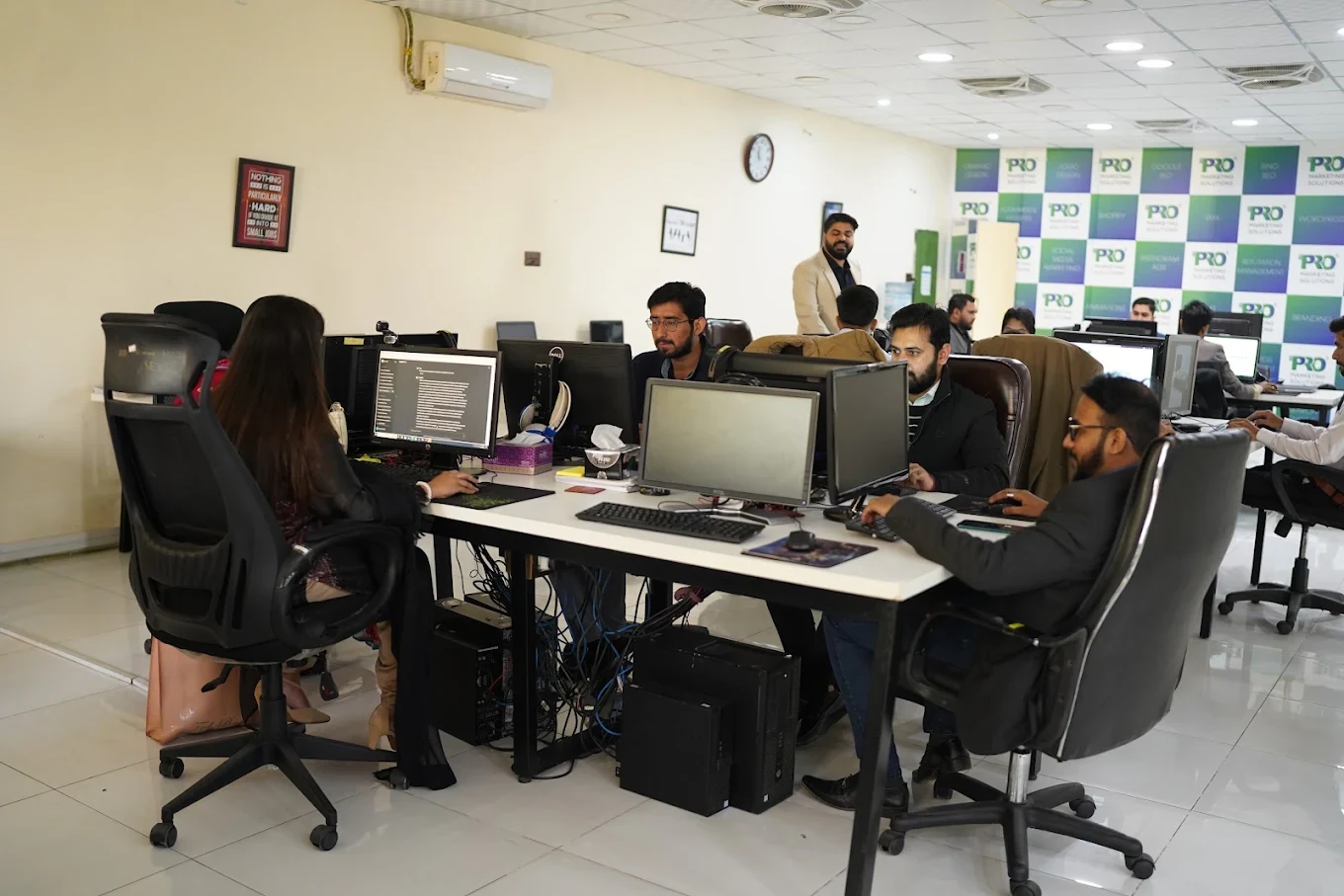
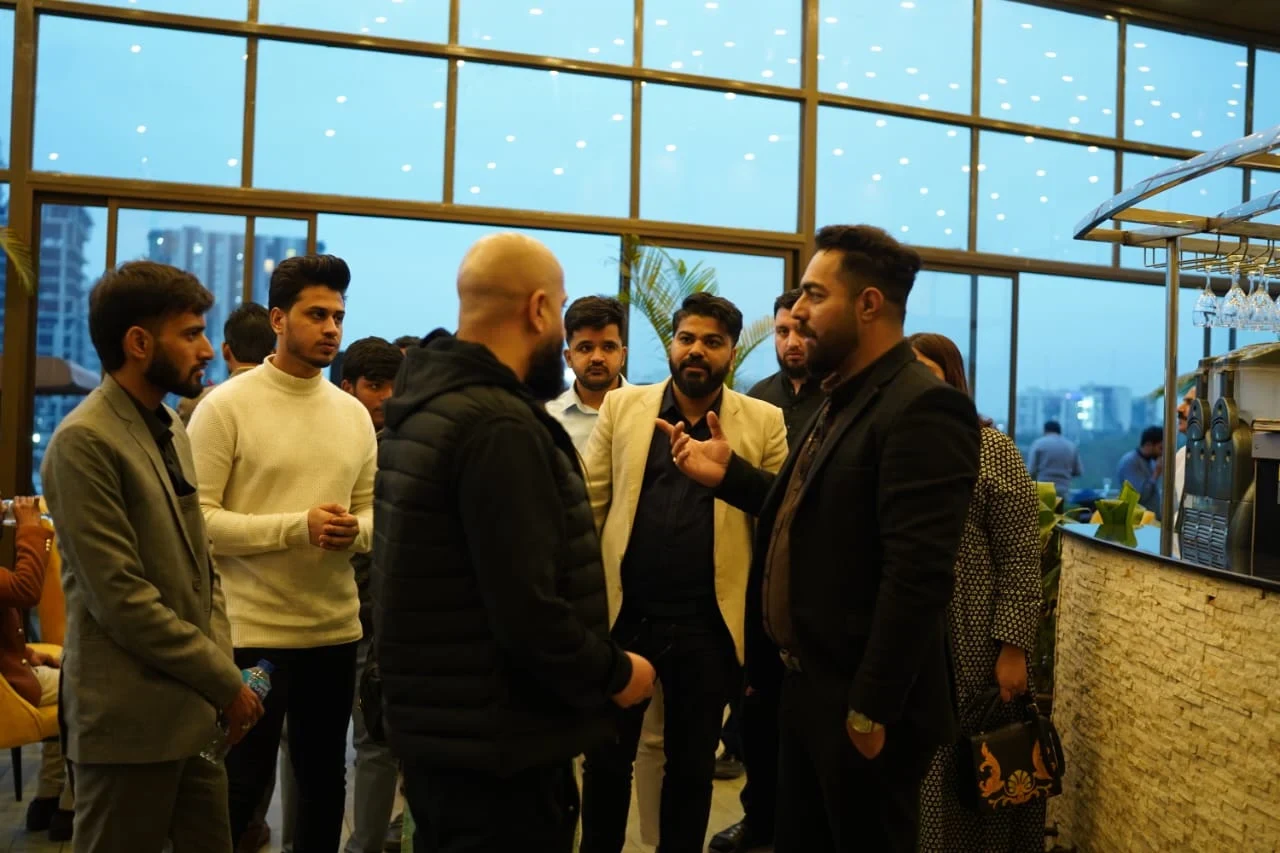
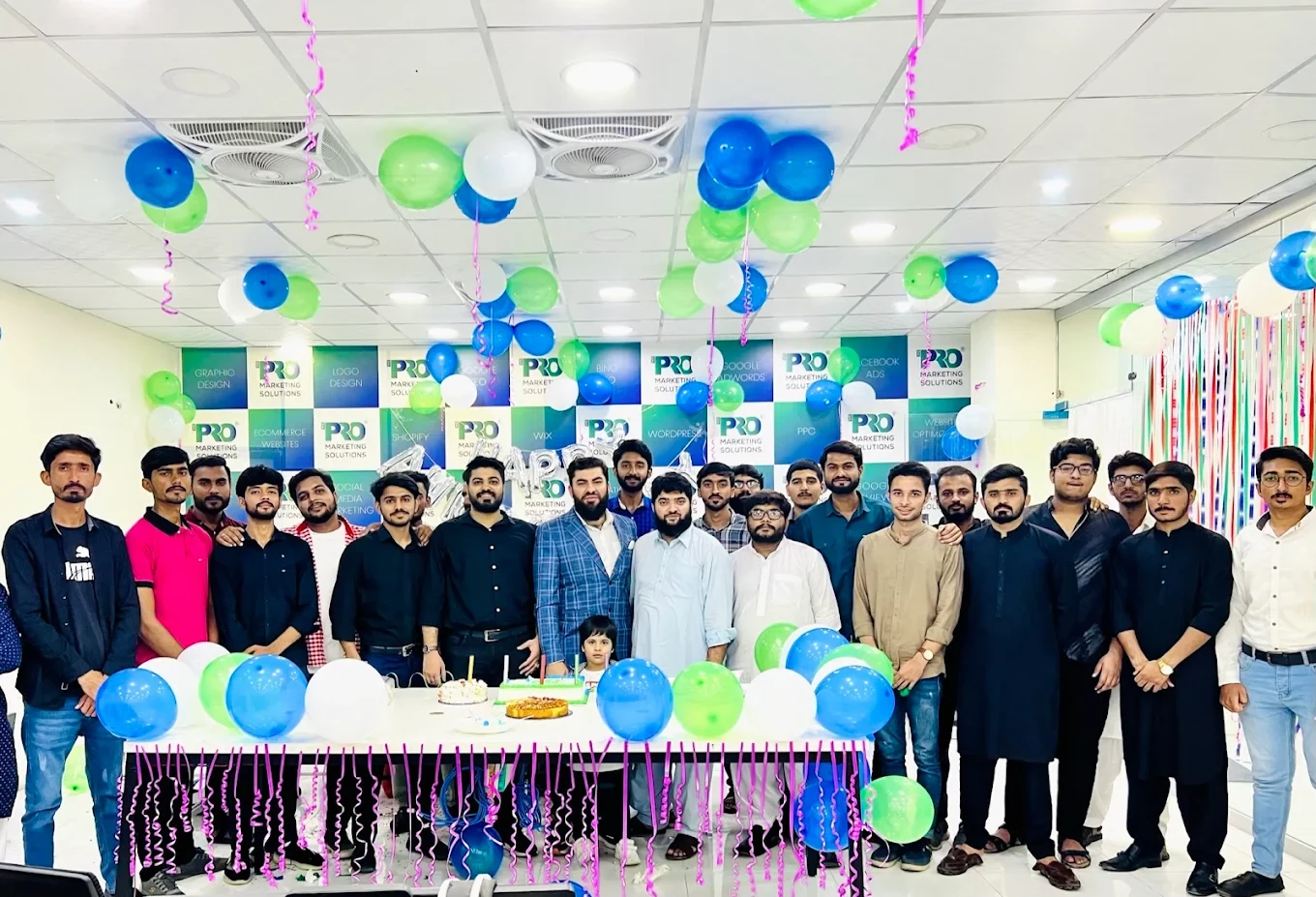
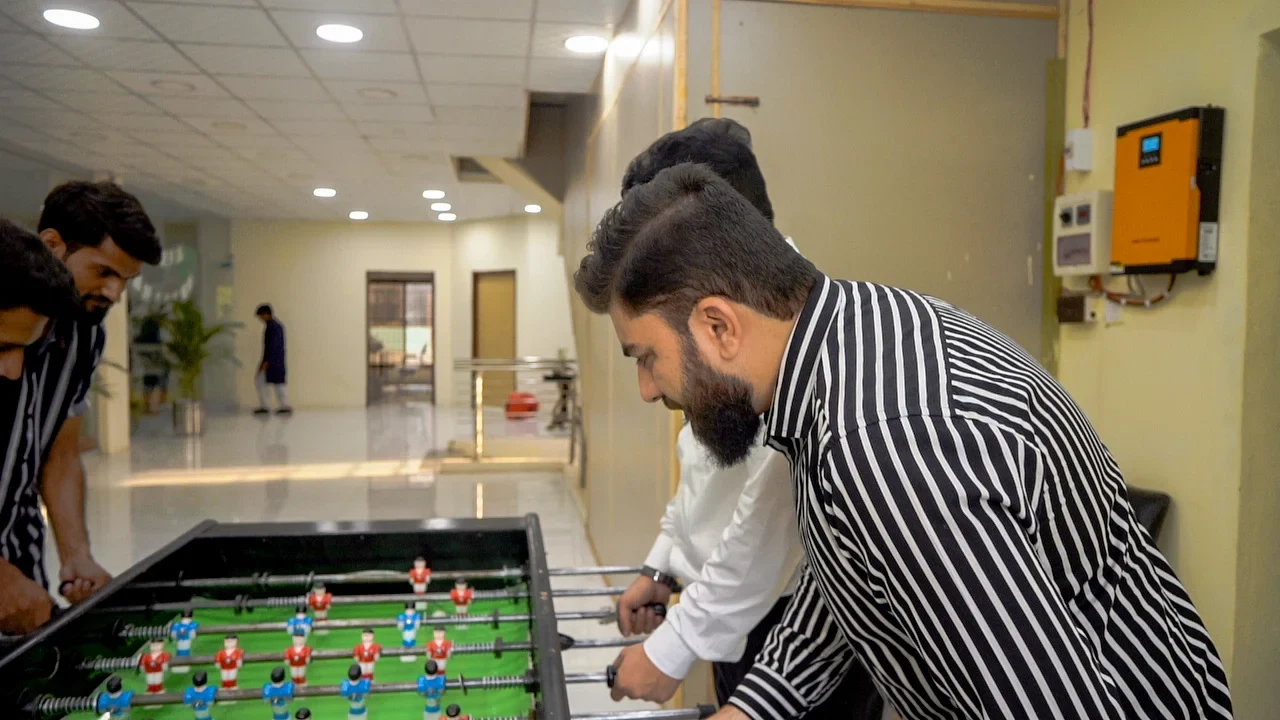
154, C1, Nespak Housing Scheme, Lahore 54770, Pakistan.
Working with a remote marketing team
You know your customers and market. Our strategists, creatives and technical specialists in Lahore help put the plan into practice. Agree the contact person, meeting times and approvals before we start.
Agree deliverables and the agency fee. Discuss ad spend and third-party tools separately.
Keep visibility and ownership. Agree access, asset licences and handover as part of the scope.
Agree a review schedule around your time zone. See what was delivered, what the numbers mean and what comes next.
Lifecycle email automation
Straight answers to help you shape the brief.
More about working with WePromsWe prioritise using the customer journey, available data and the current gaps. A reliable welcome or post-purchase flow may be a better starting point than a large set of overlapping sequences.
Yes. We can review current triggers, messages, exclusions and event data before deciding which changes to implement.
We map audience overlap, suppression and exit conditions, then test representative paths across the agreed flows and campaigns.
Share the business, the market and the part you want to improve. We’ll help shape the next step.
Start a conversation